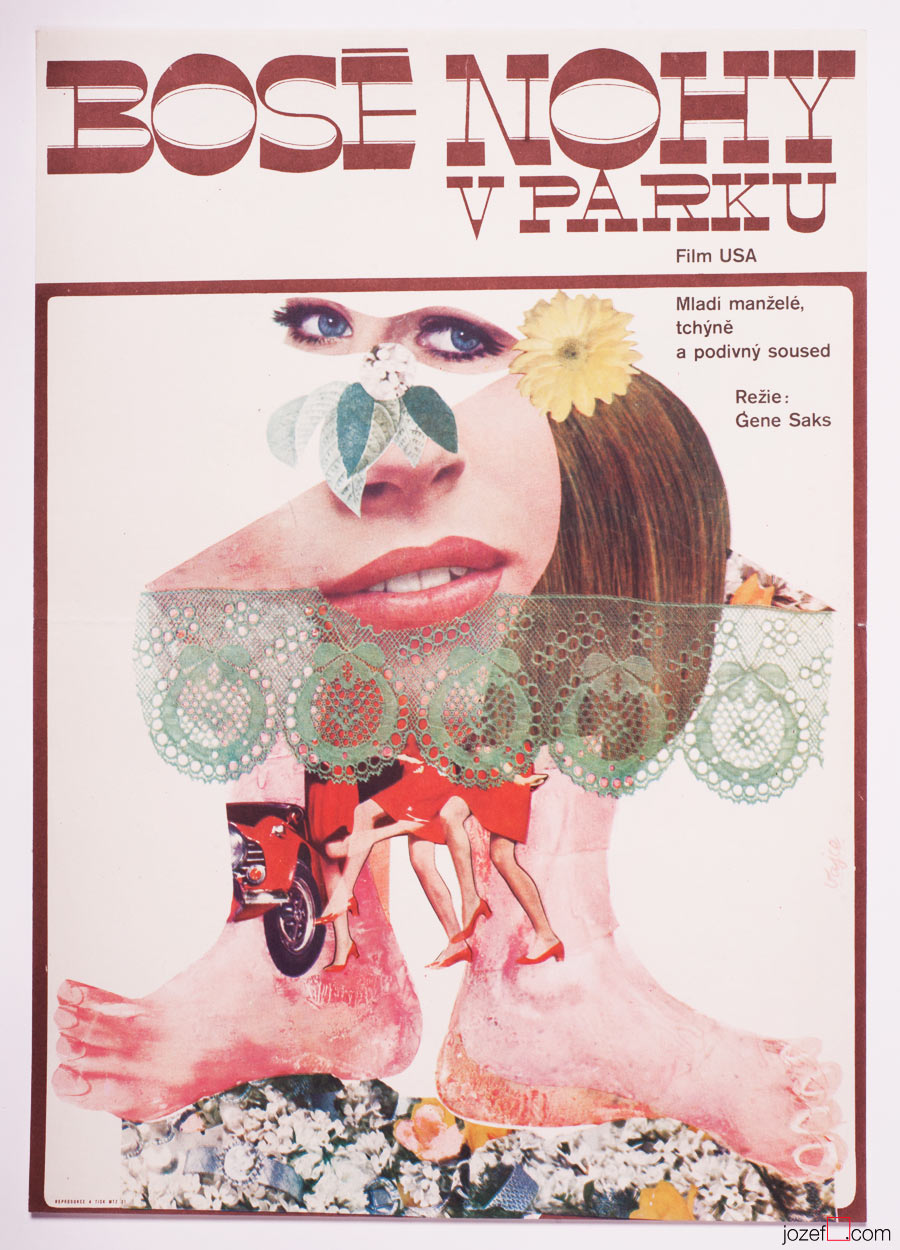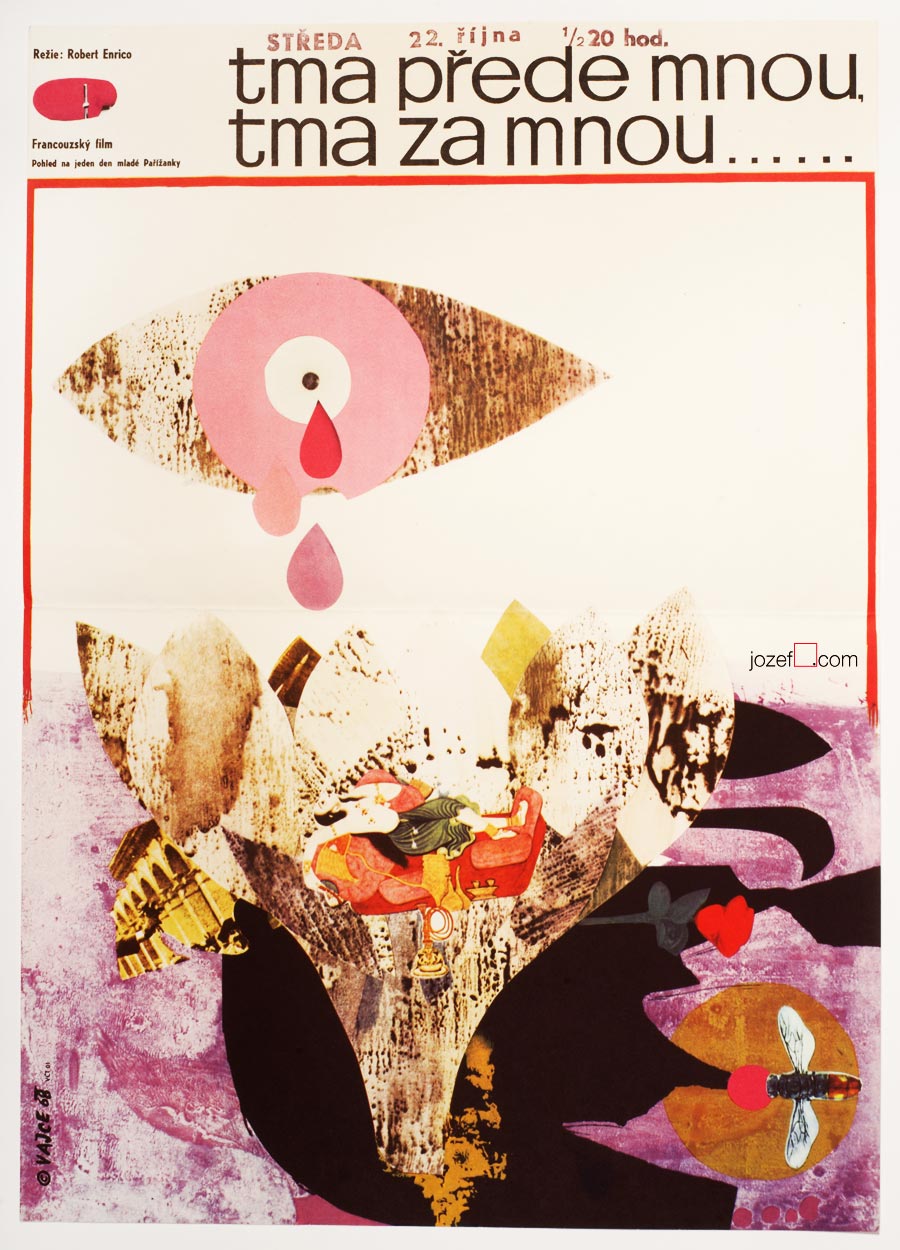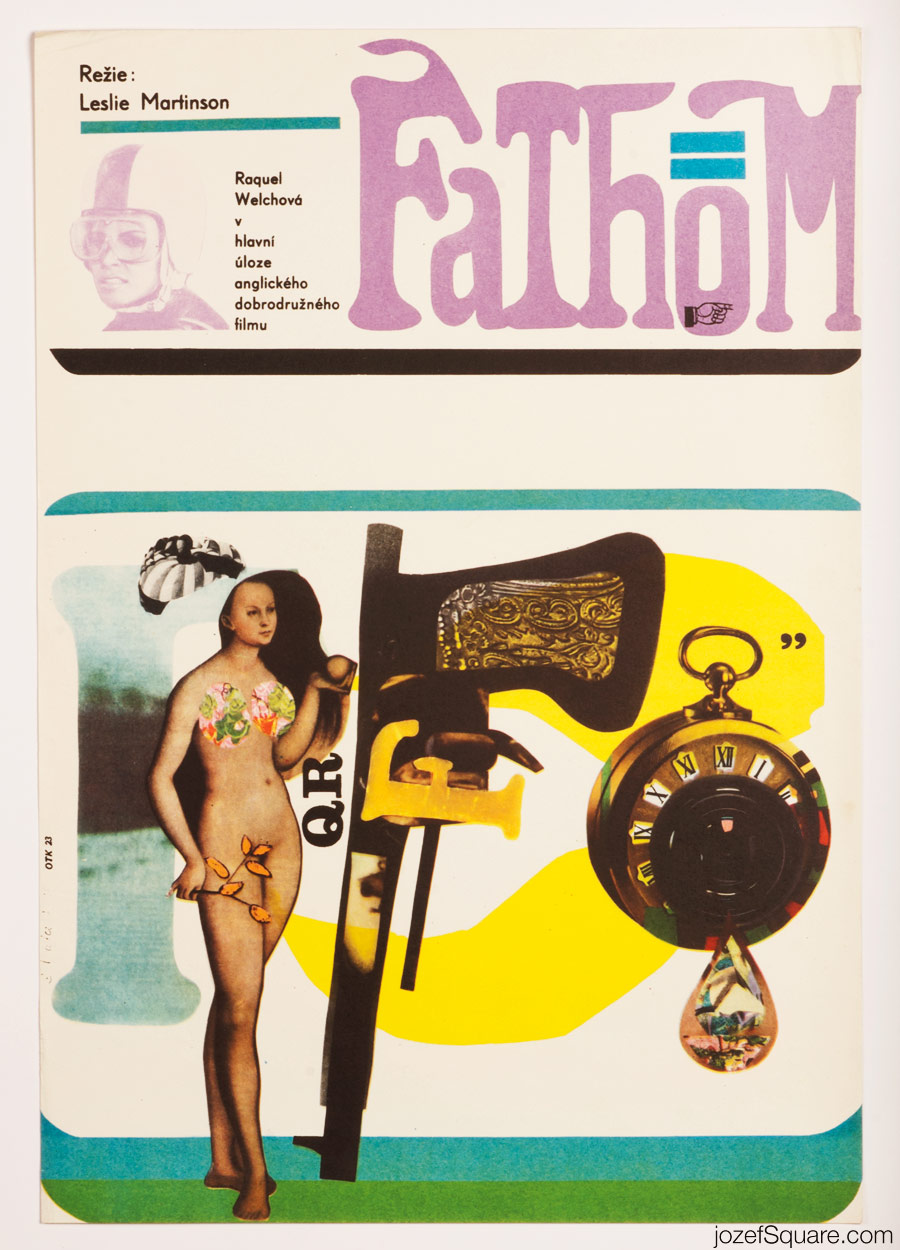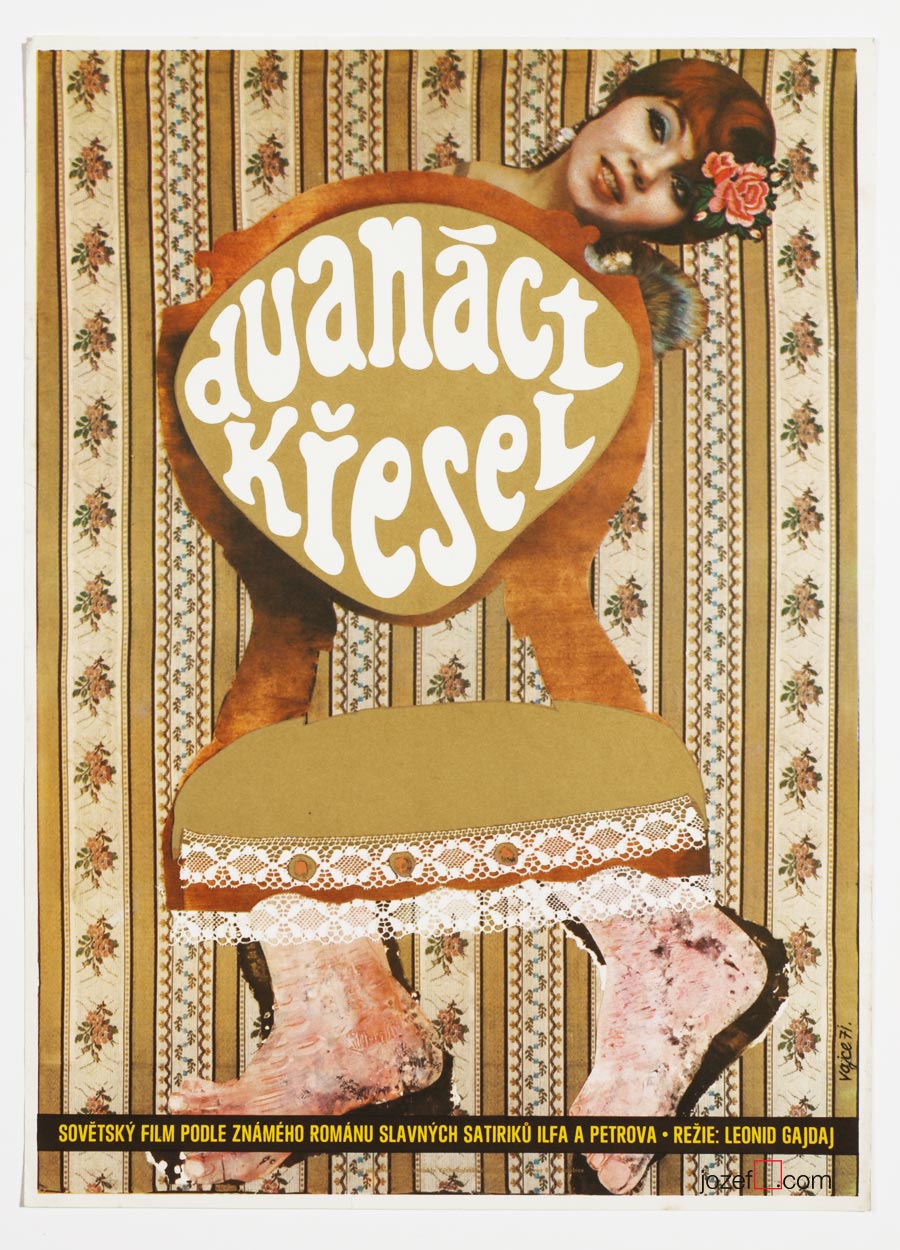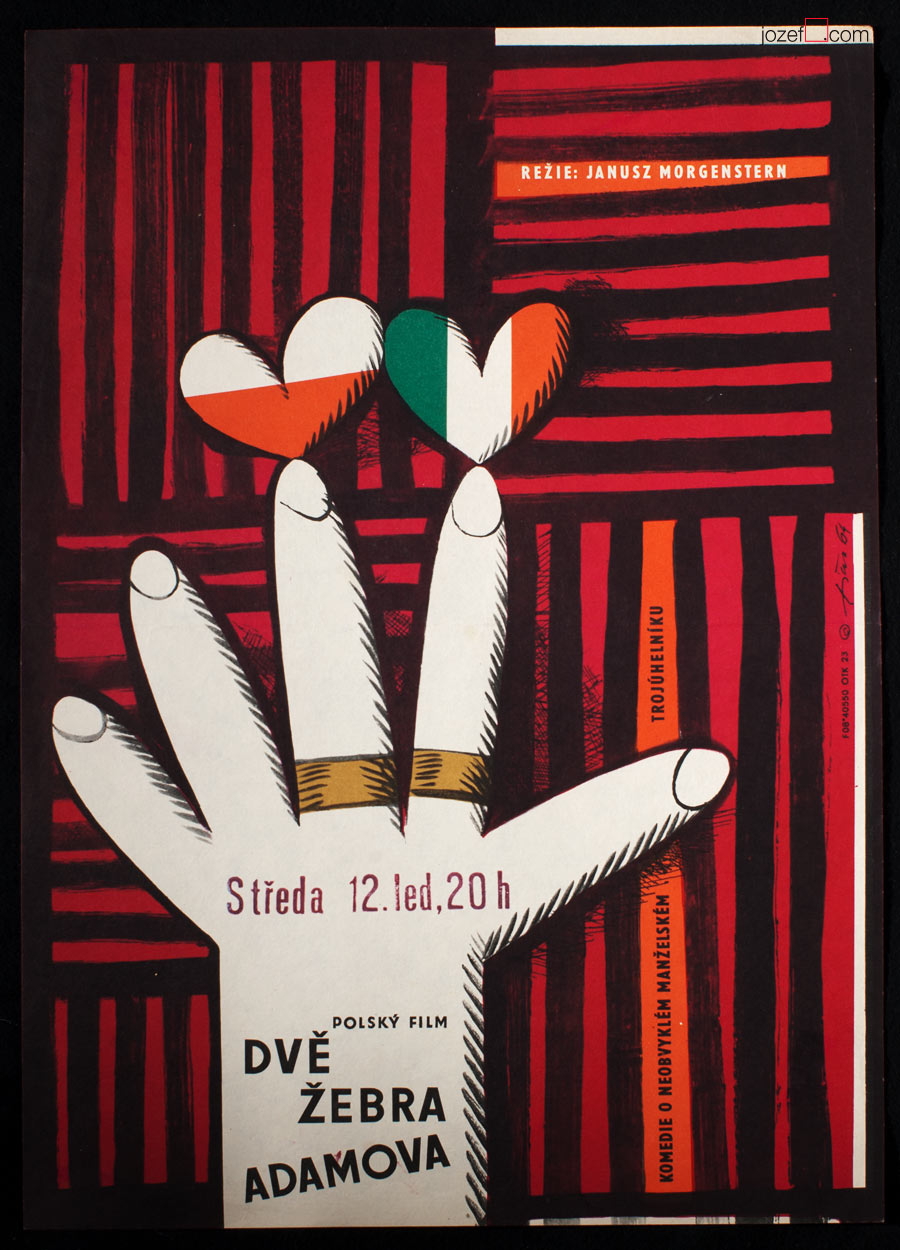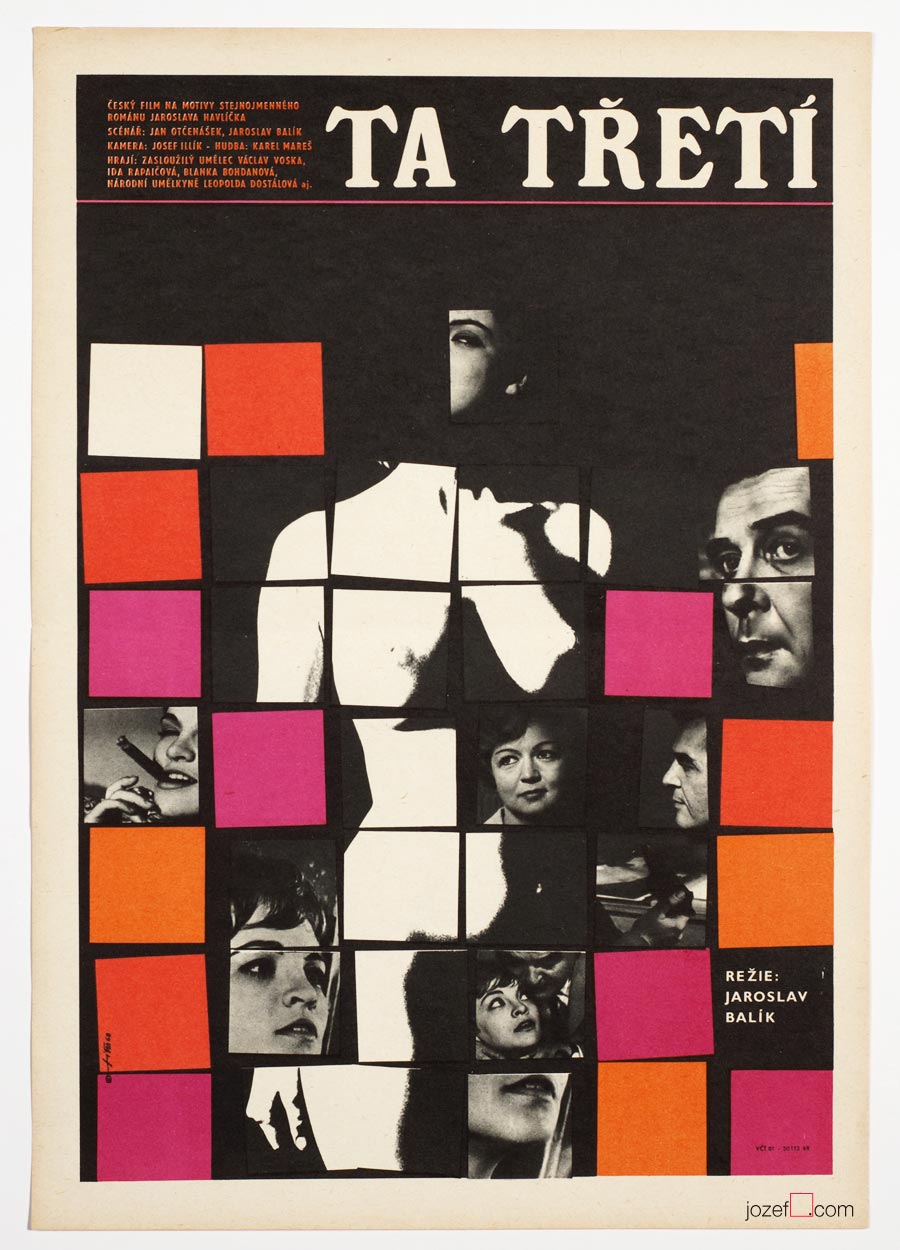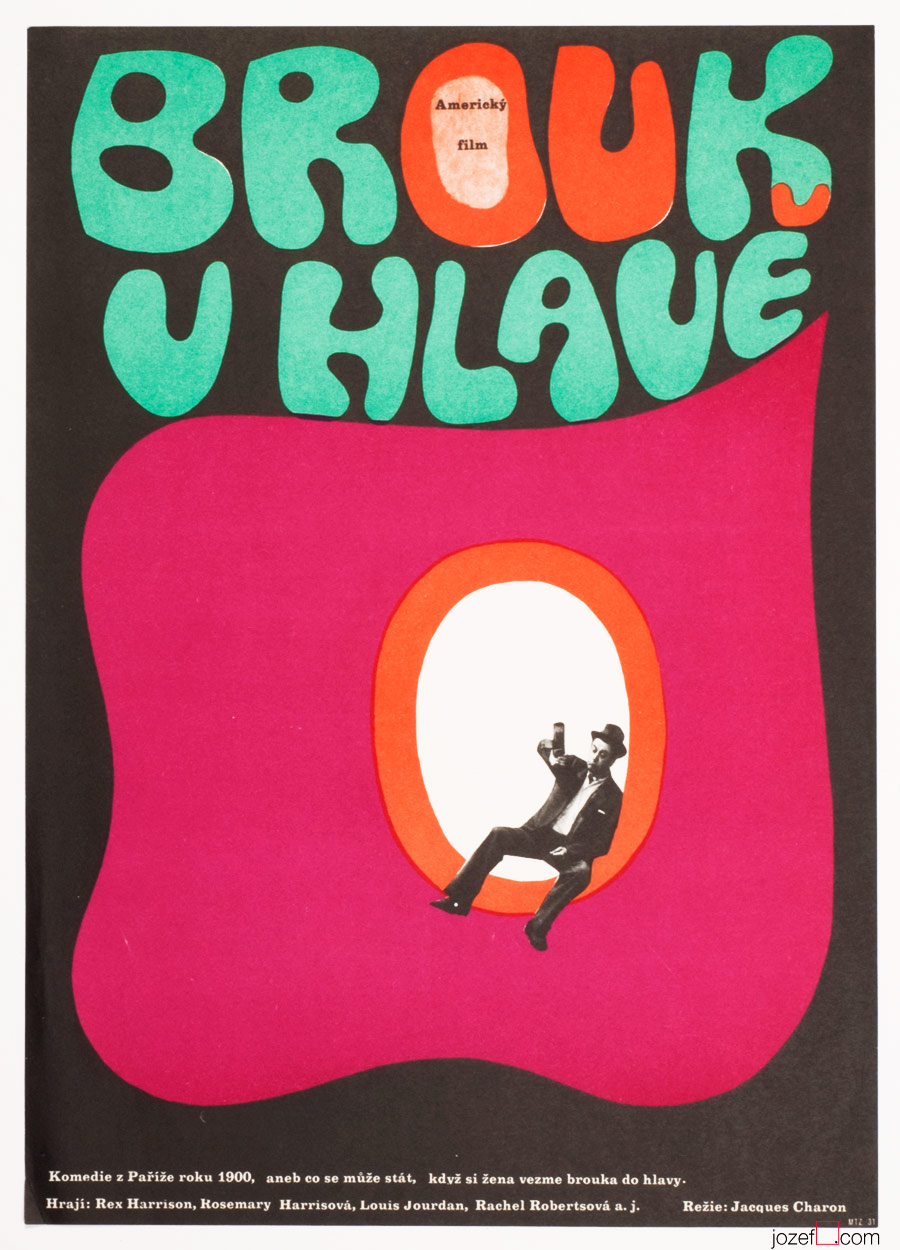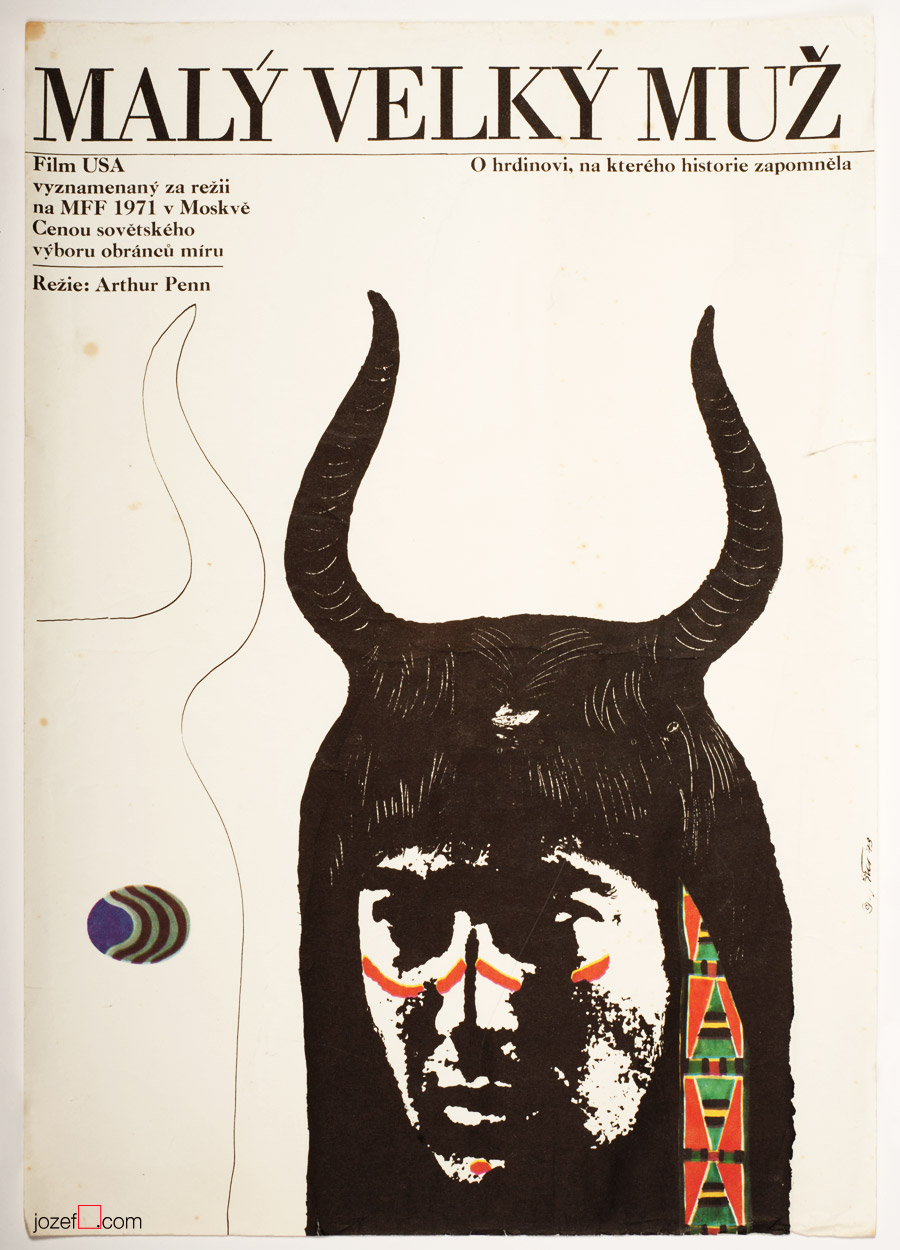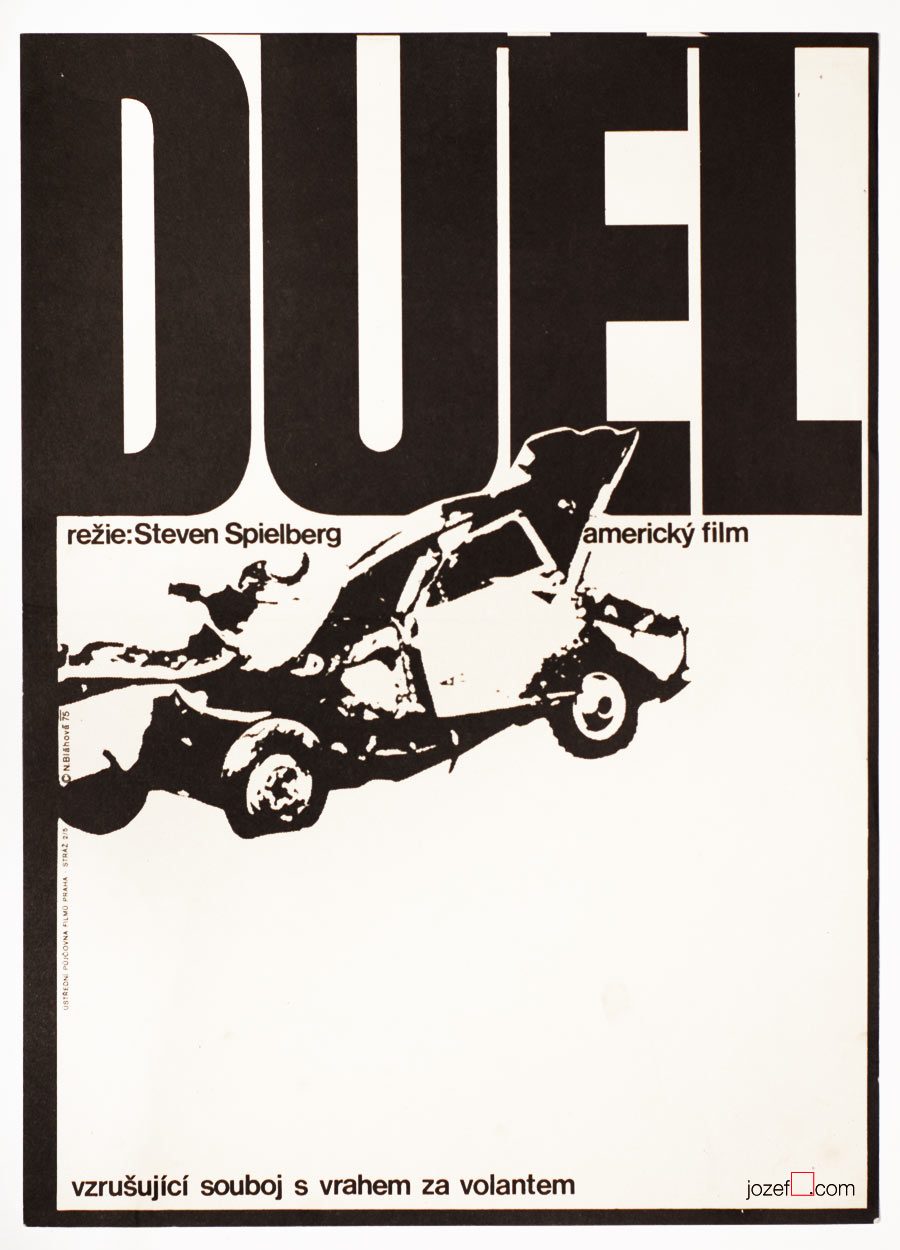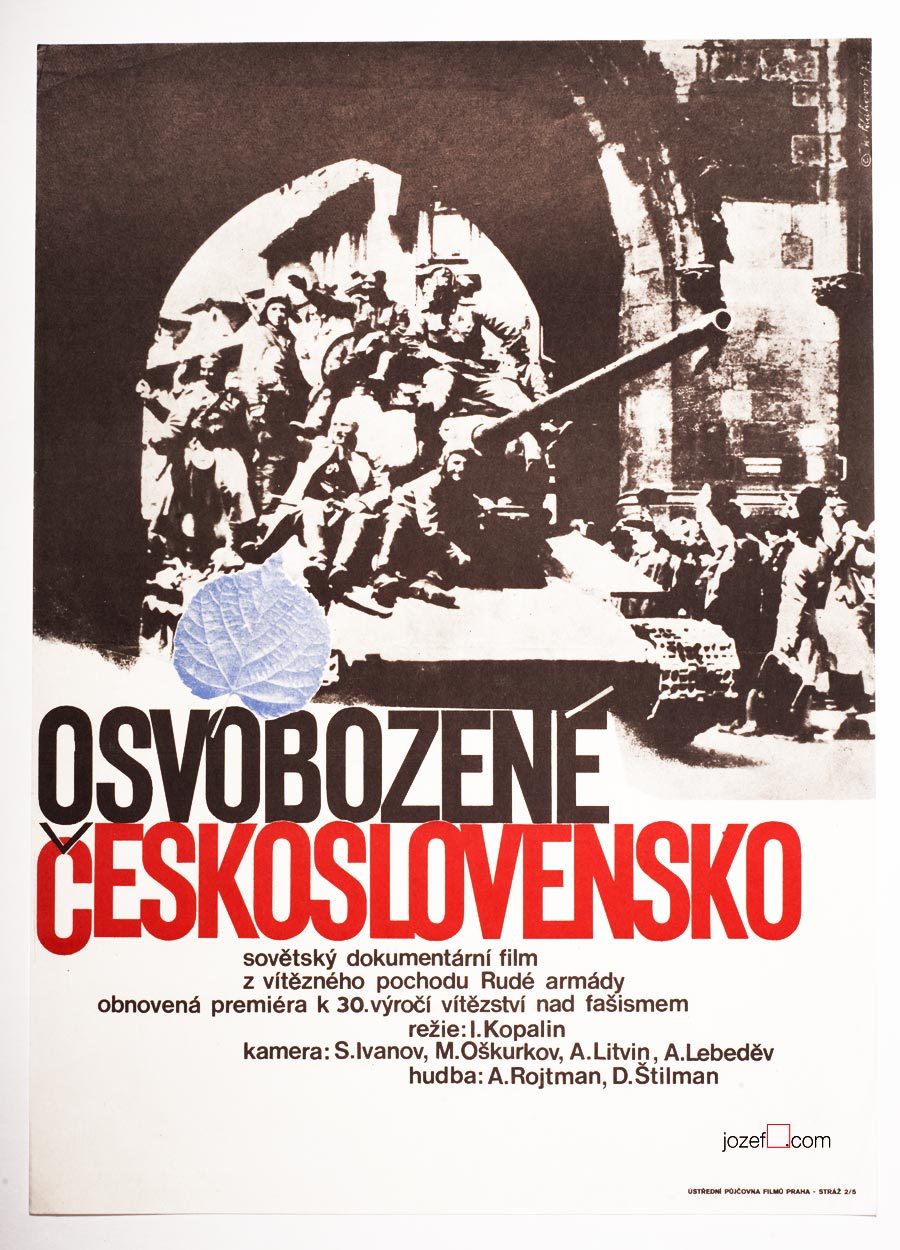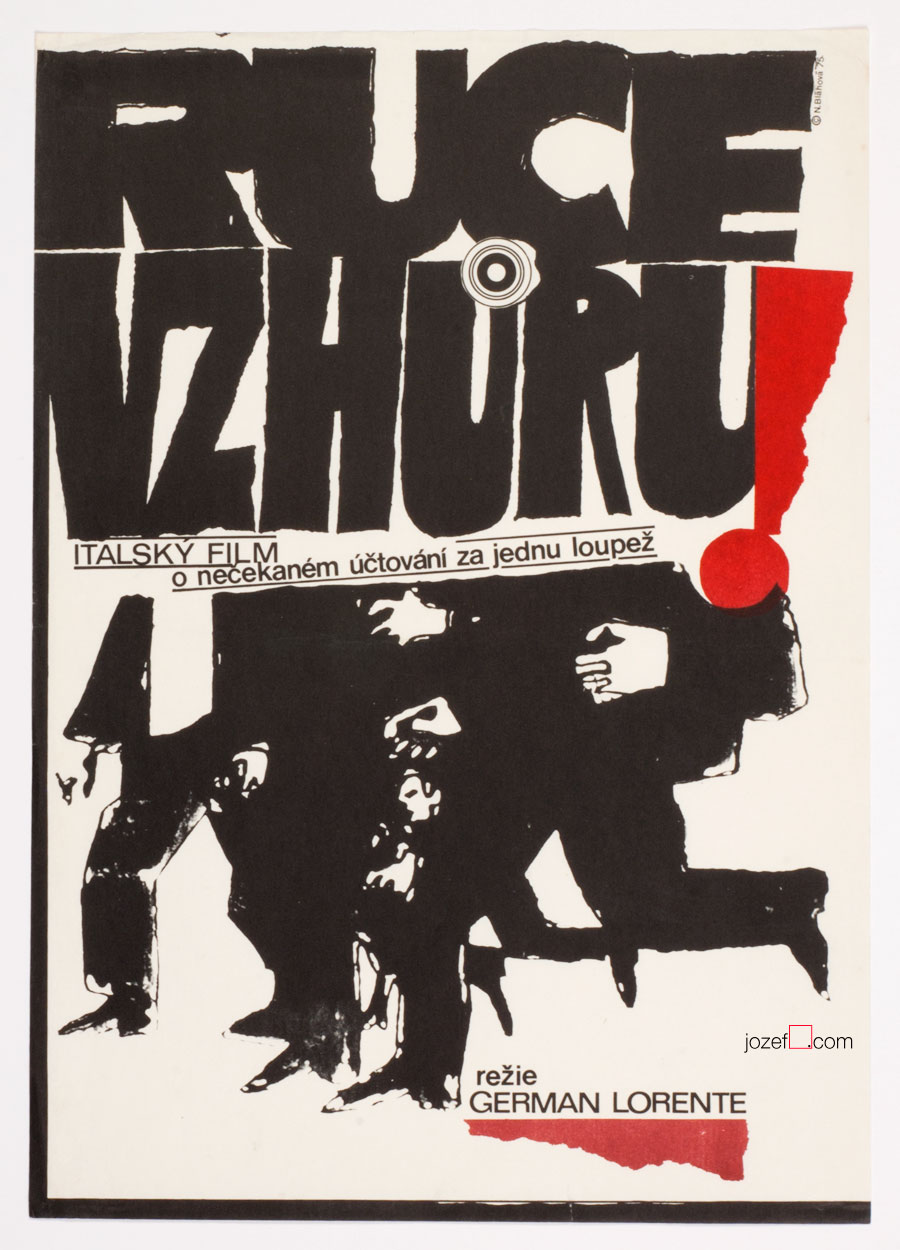
Poster Designs / Sixties – Stanislav Vajce. The Story of Film Posters.

Film posters in history. Sixties poster designs.

Poster Designer / Stanislav Vajce

Applied Arts / Graphic Art / Fine Art / Sculpture
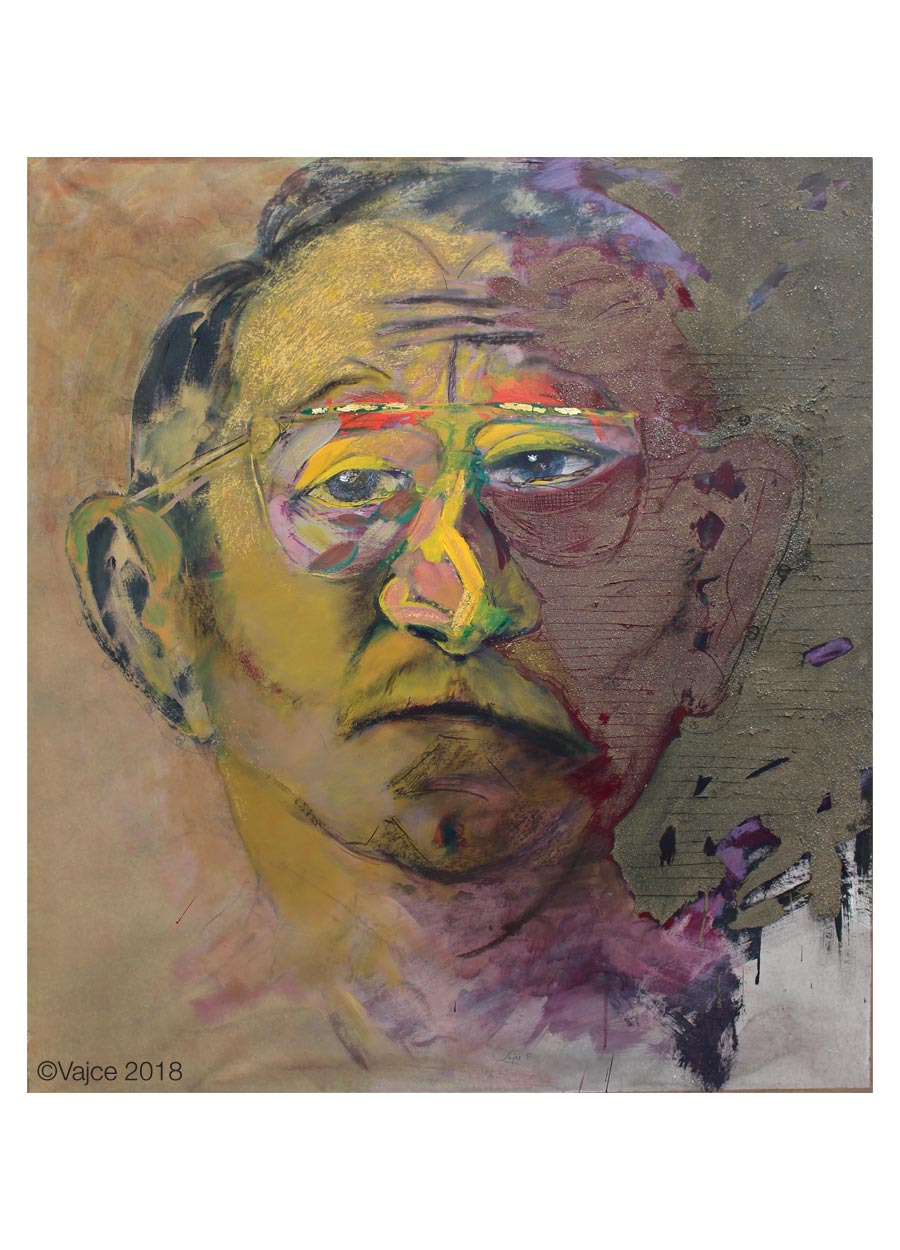
Stanislav Vajce, Self-Portrait, 1992
  • b. 26th April 1935, Klatovy, Czech Republic

Education:

  • 1954 – 1958, Secondary School of Applied Arts, Uherské Hradiště (Hroch Vladimír)[^1]
  • 1958 – 1963, Academy of Arts, Architecture and Design in Prague (Alois Fišárek)

Exhibitions (selected):

  • 1969 – Junge Künstler aus der ČSSR, Haus am Kleistpark, Berlin[^2]
  • 1969 – Tschechoslowakische Plakate, Kunstgewerbemuseum Zürich
  • 1972 – Eva Vajceová, Stanislav Vajce, Galerie bratří Čapků, Prague
  • 1983 – Tjekkisk Kunst i Danmark, Kobenhavn

Awards:[^3]

  • 1965 – Rodriguez Acosta Prize
  • 1968 – 1st prize for relief/sculpture made for 50th Anniversary of Czechoslovakia
  • 1968 – 1st & 3rd Prize, Poster Exhibition, Brno Biennials, Czech Republic
  • 1982 – Grand Prix for portrait work, Tuzla, Bosnia and Herzegovina
  • 1984 – Prize of the Ministry of Culture of Bosnia and Herzegovina for portrait work at International Biennial of Portrait, Tuzla

•••
•••

[quote]“Stanislav Vajce’s art of painting – if by this we mean the art of masterfully guiding the brush – resolutely rejects the academic approach to painting and replaces it with a sensitive and sweeping painting style.”[^4] [/quote]

It’s almost tradition that many Czechoslovak poster designers were involved in painting or had some sort of fine art study background. 1950s were accumulating incredible potential and vitality among artists, but political climate of totalitarianism was breeding machine-like art and did not allow any personal burst out.[^5] In mid 50s Stalinist era was slowly ceasing to extinction and for the following decade Czechoslovakia was witnessing quite surprising changes. Many artists were meeting up in newly created art groups or were allowed solo exhibitions. However, political apparatus was still in charge as the movie poster commissioner had a good number of contemporary artists circulating on their list.

•••
•••

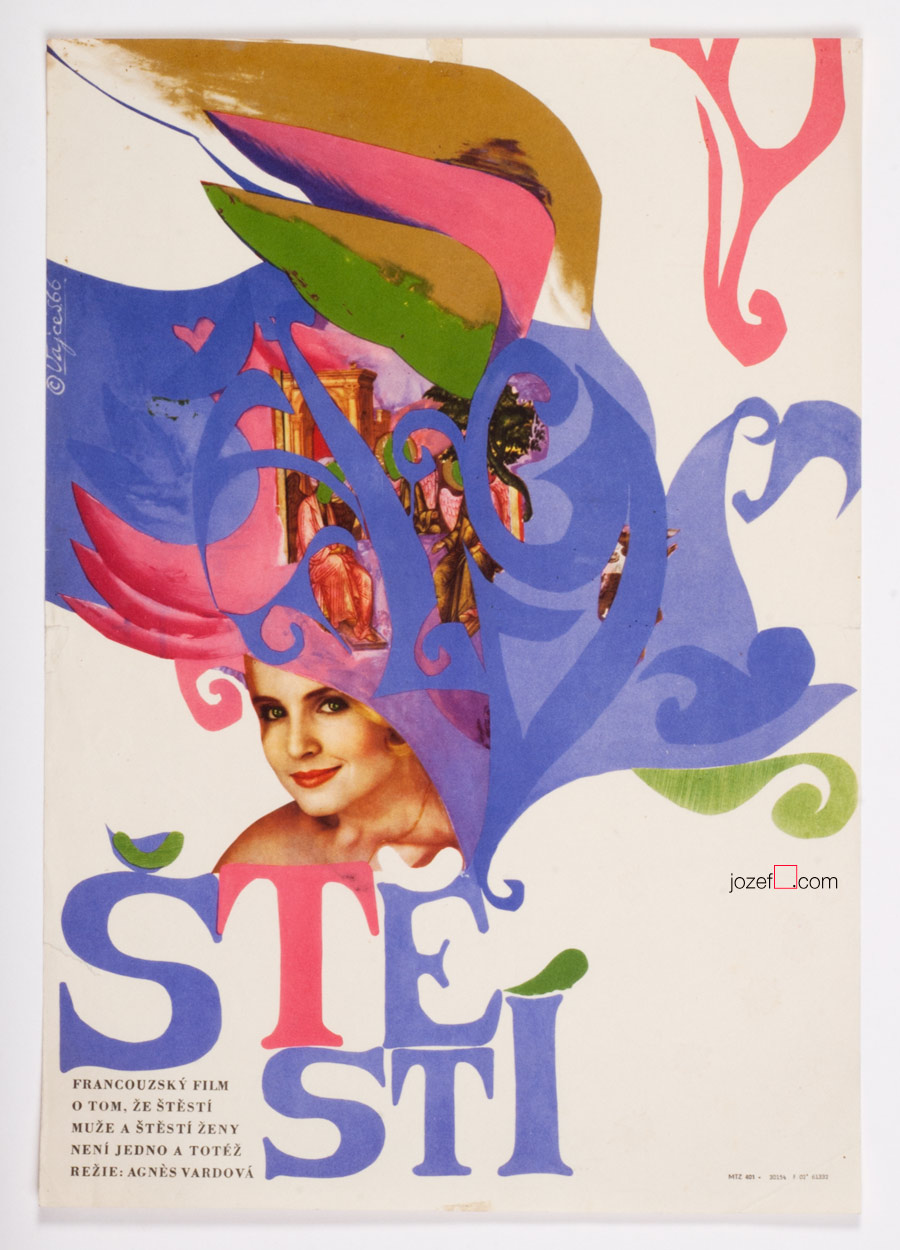
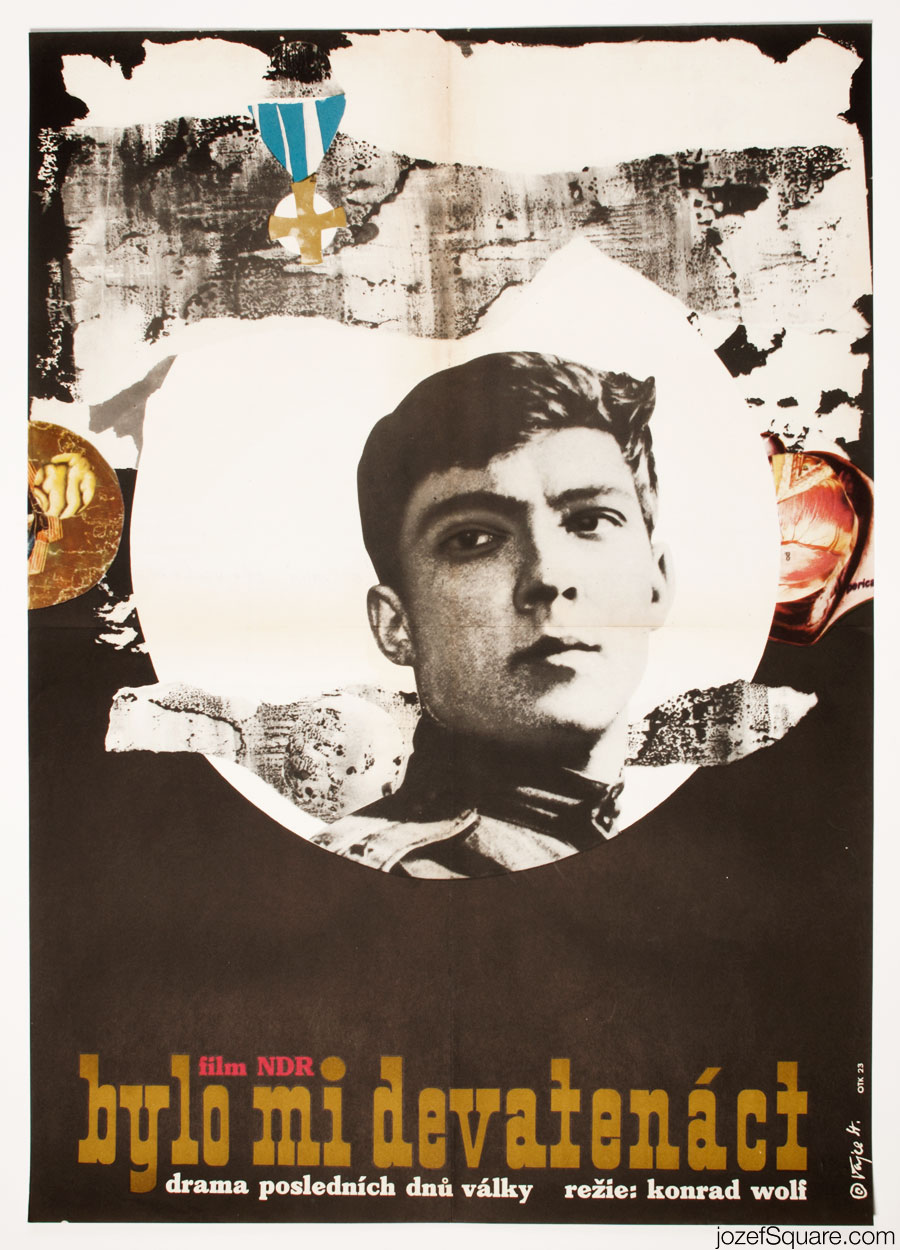
Pure fascination awaits for those who choose to observe movie posters of Stanislav Vajce closely. His inspiration seems endless and same goes to his ability to work with such an infinity. Stanislav Vajce’s devotion to art matter started fairly early in his age. As a 15 year old boy, he traveled daily to Klatovy in order to apprentice as a sign-painter and gilder.[^6] This affection remained with him ever since; in his future art, as well as he was frequently using gold and hand typing in his poster work.

•••
[quote]“Vajce is also in habit of listening to music while painting when he is alone in his studio. ”[^7] [/quote]
•••

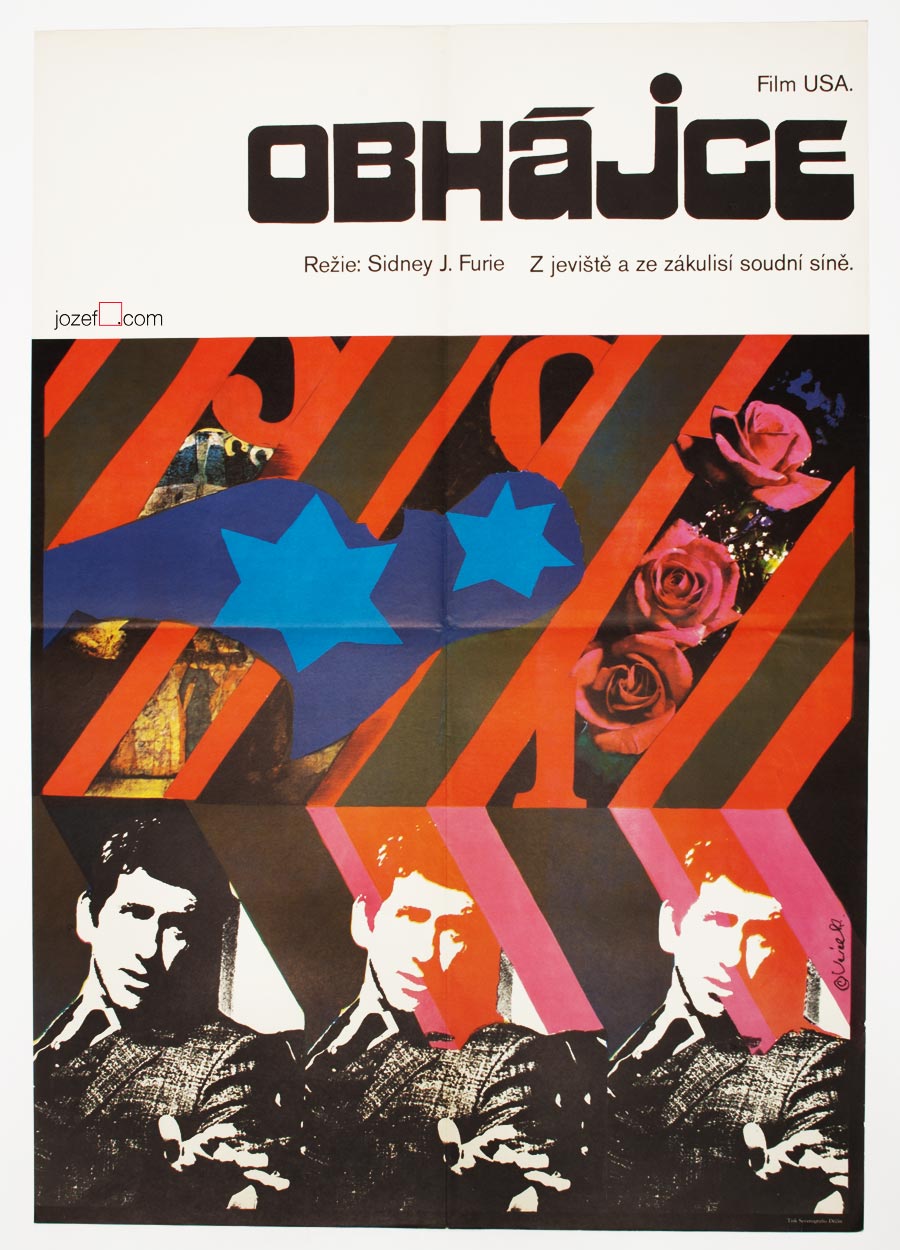
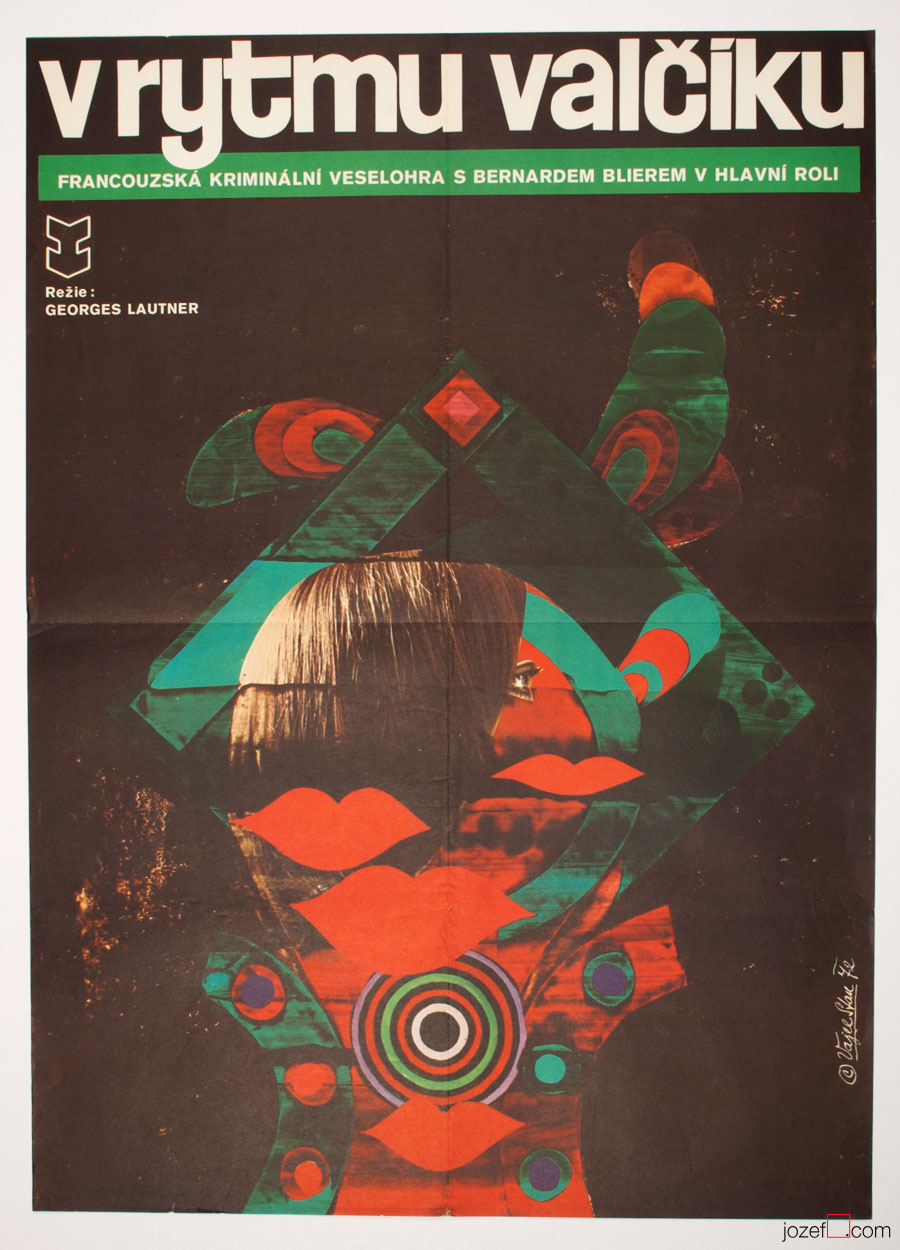
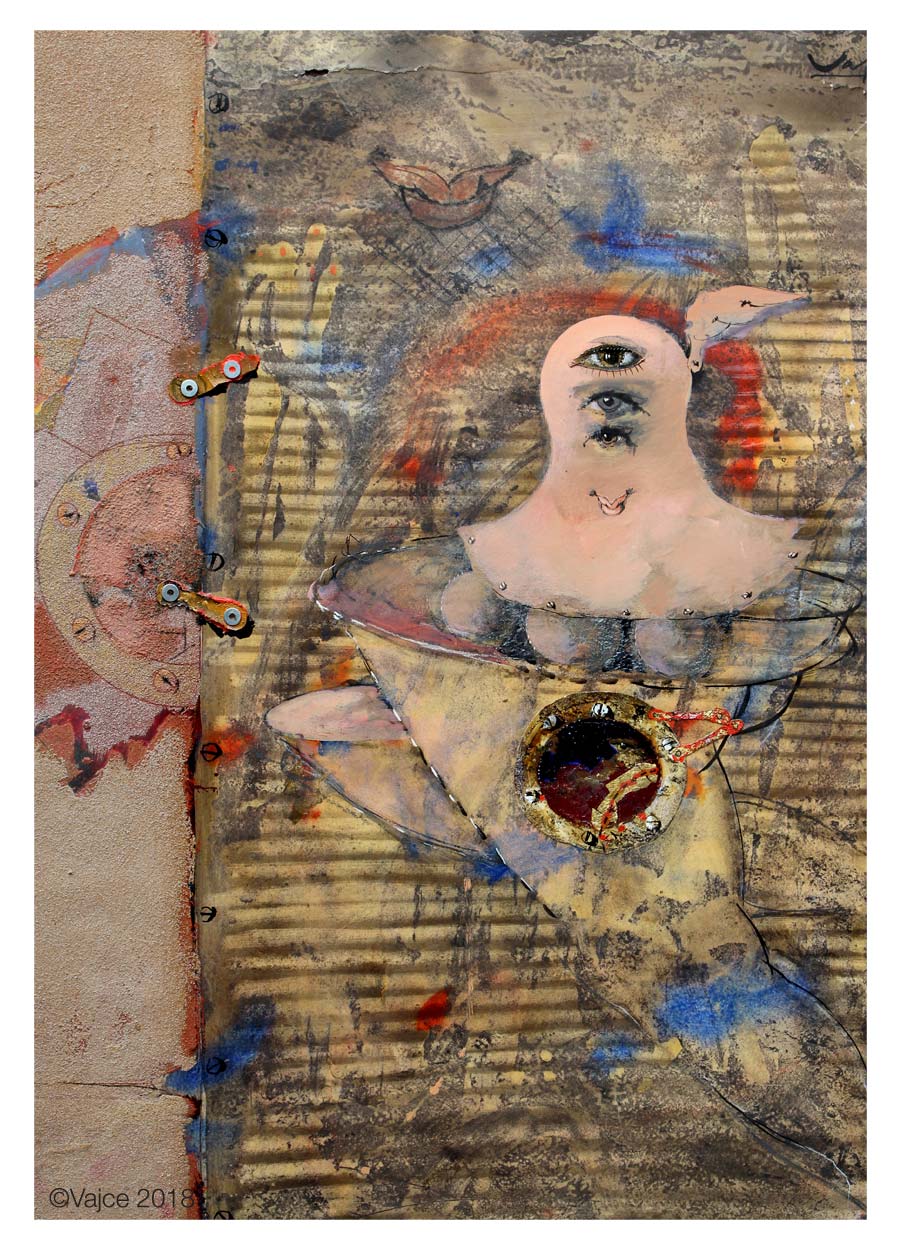
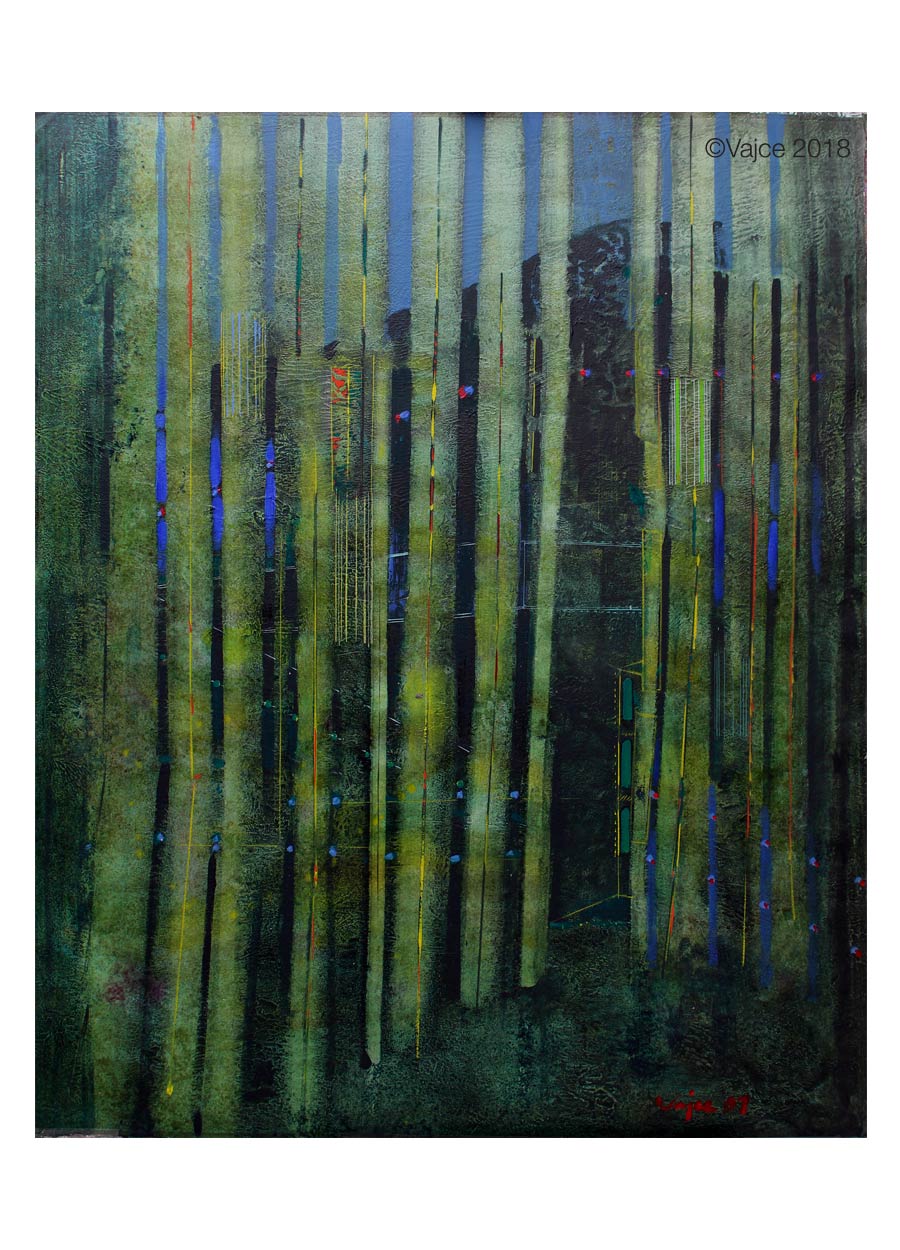
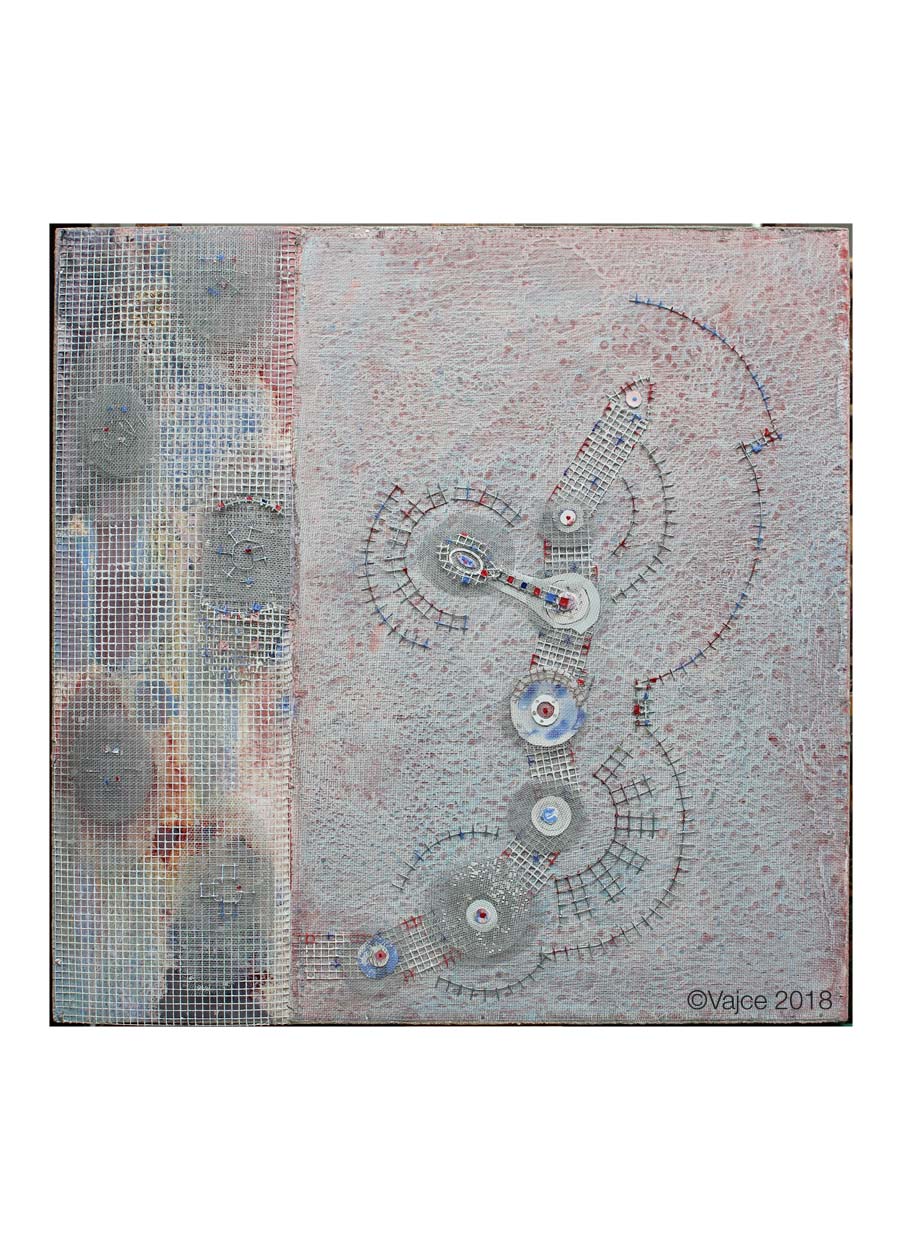
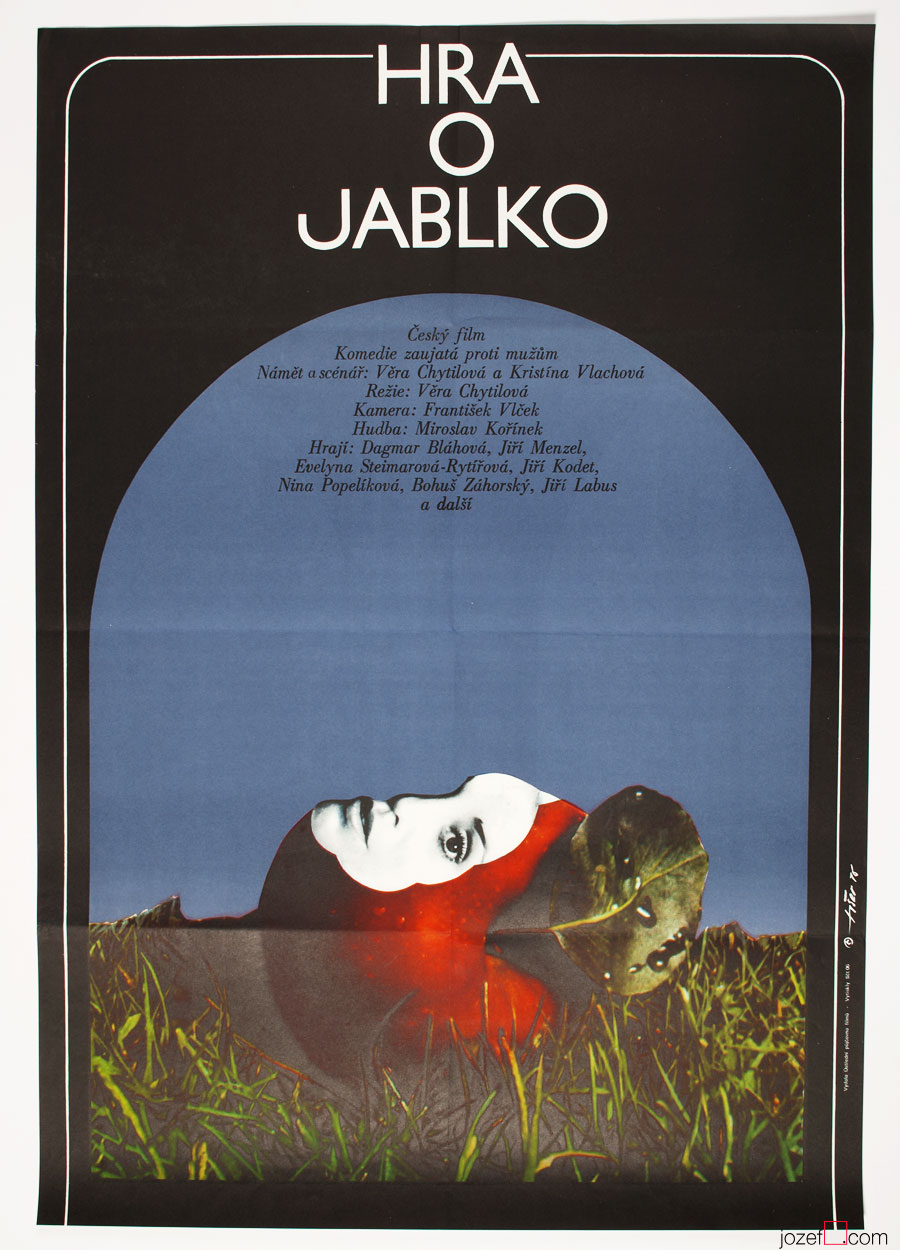
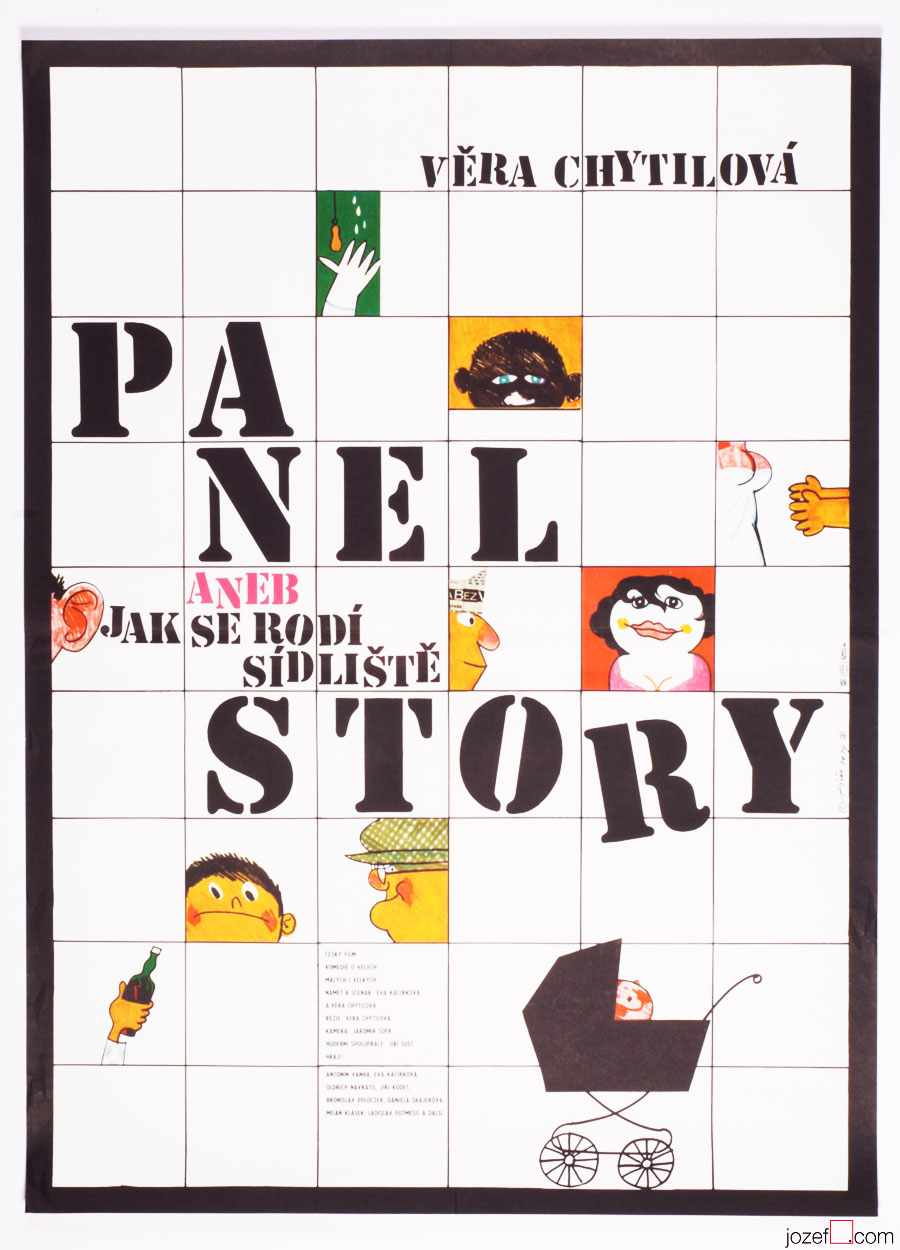
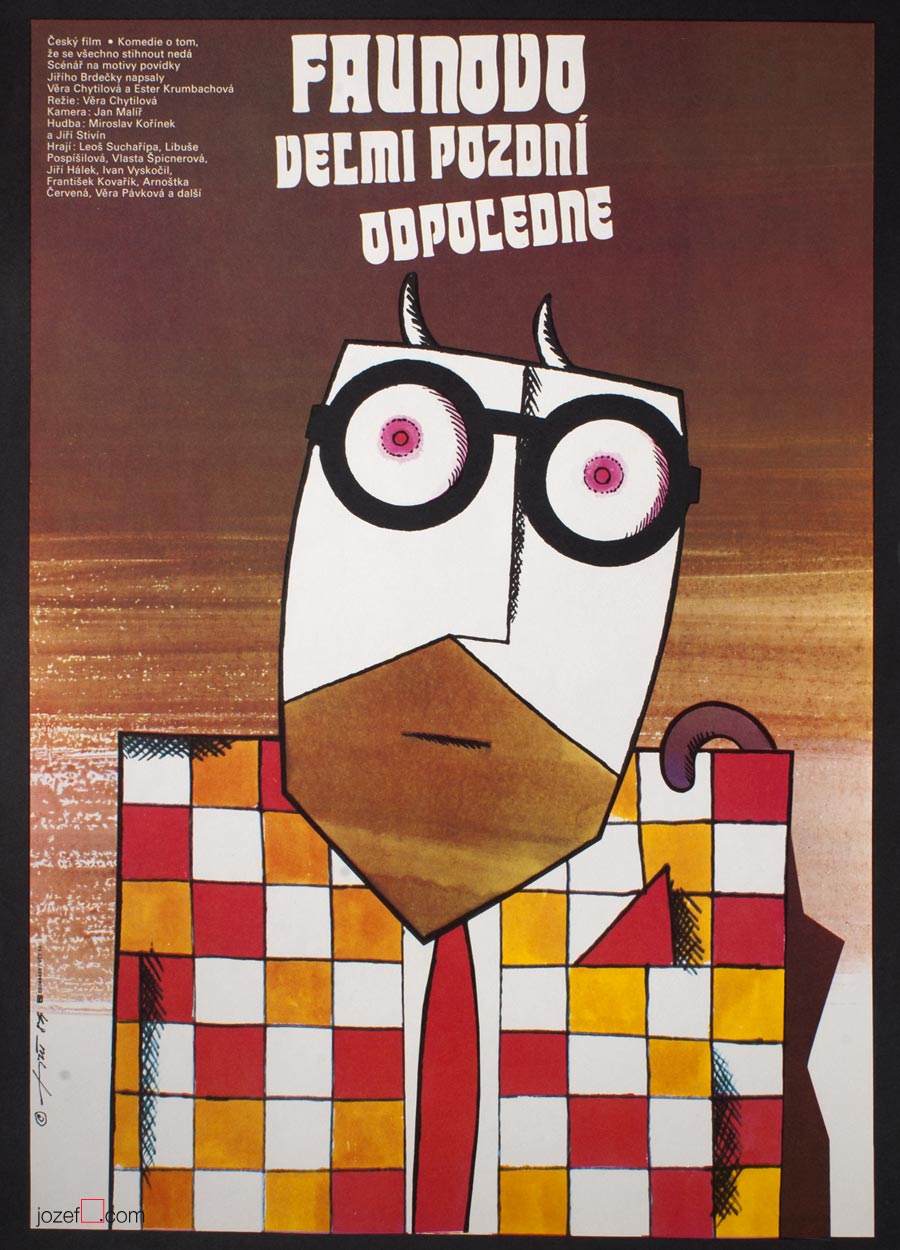
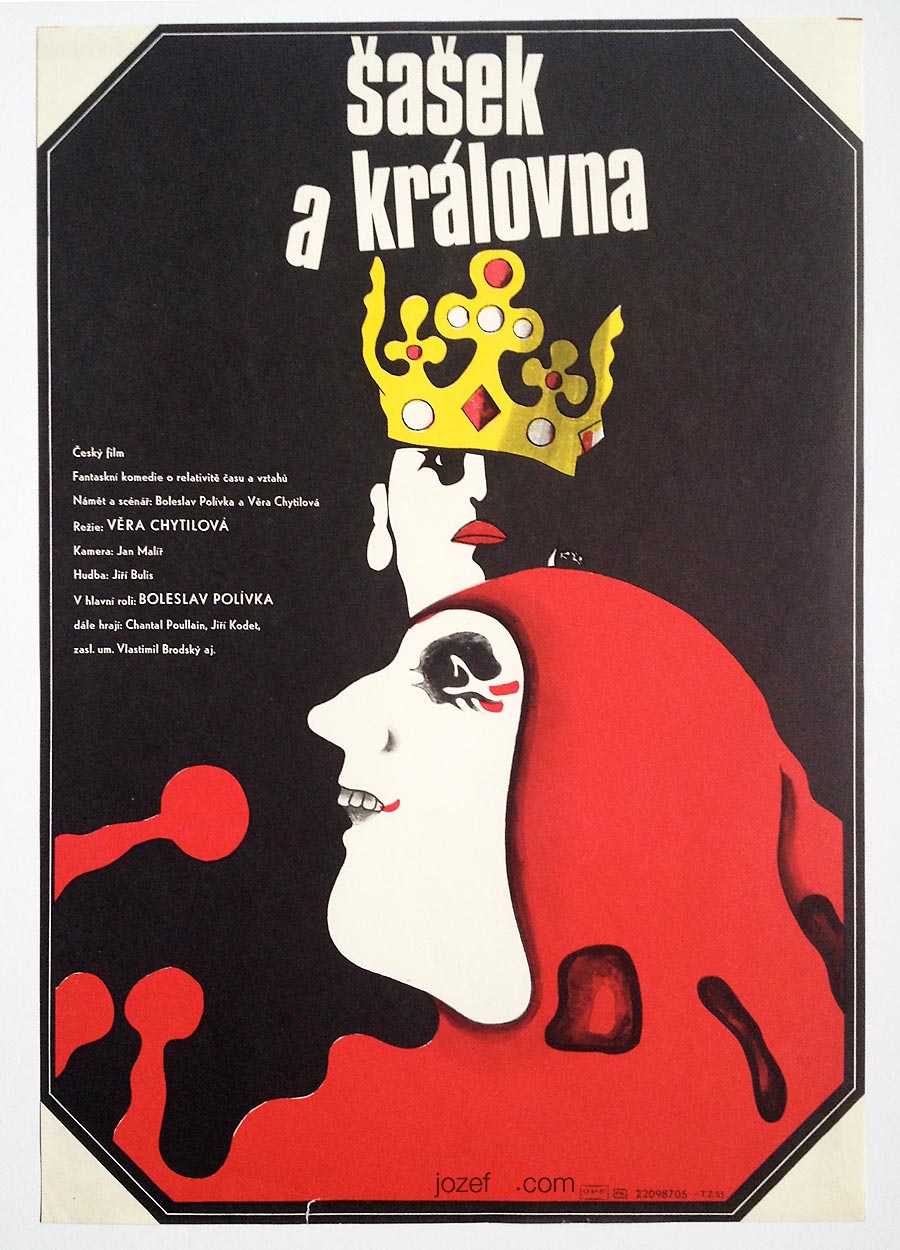
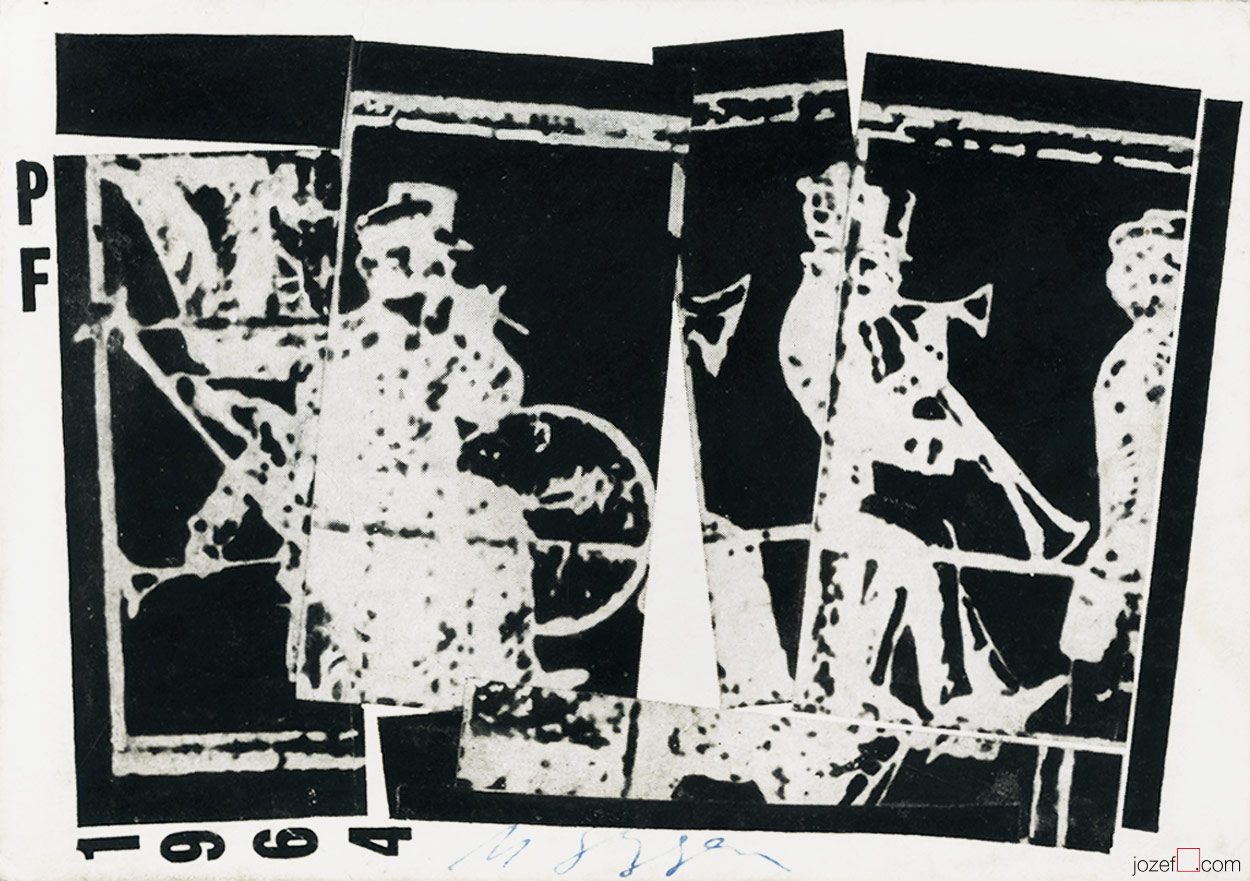
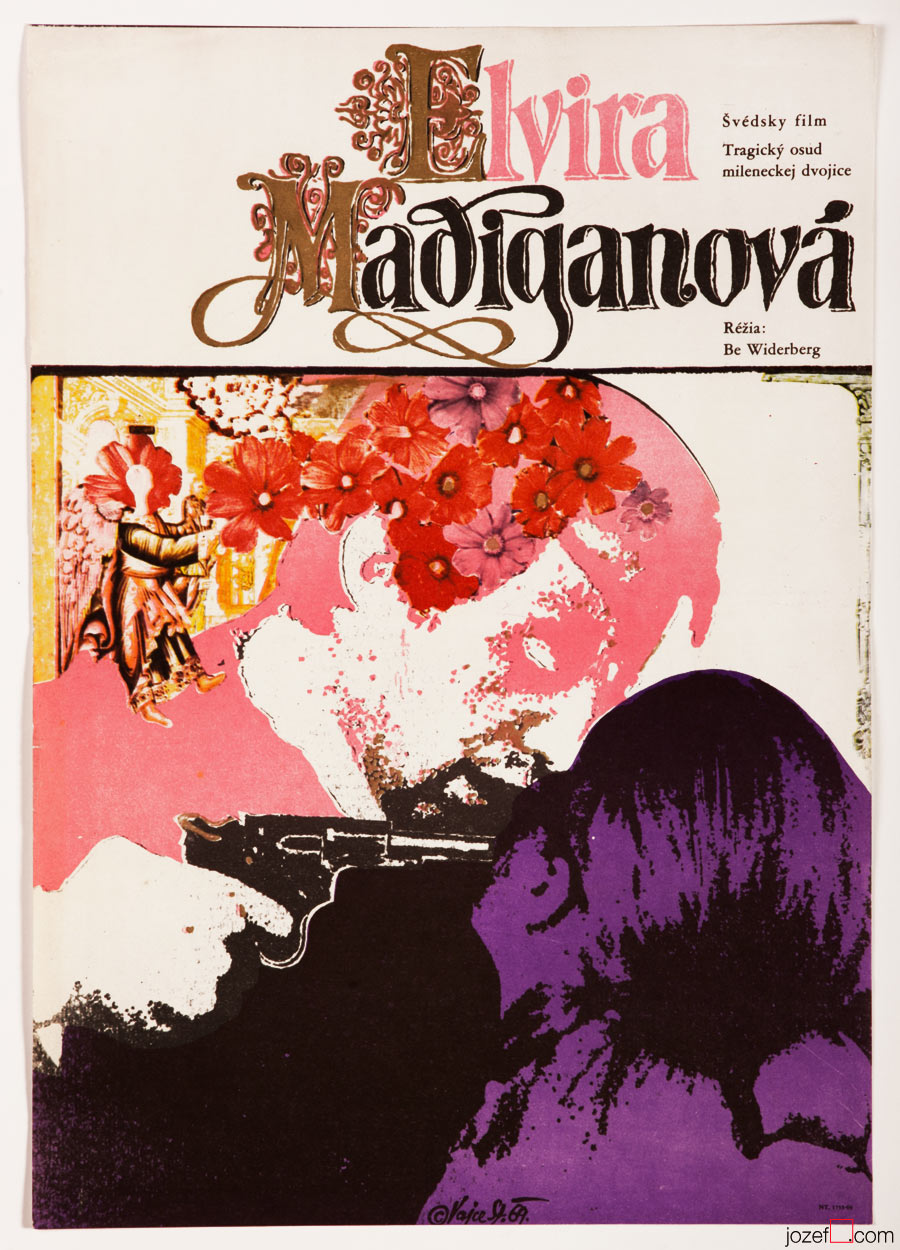
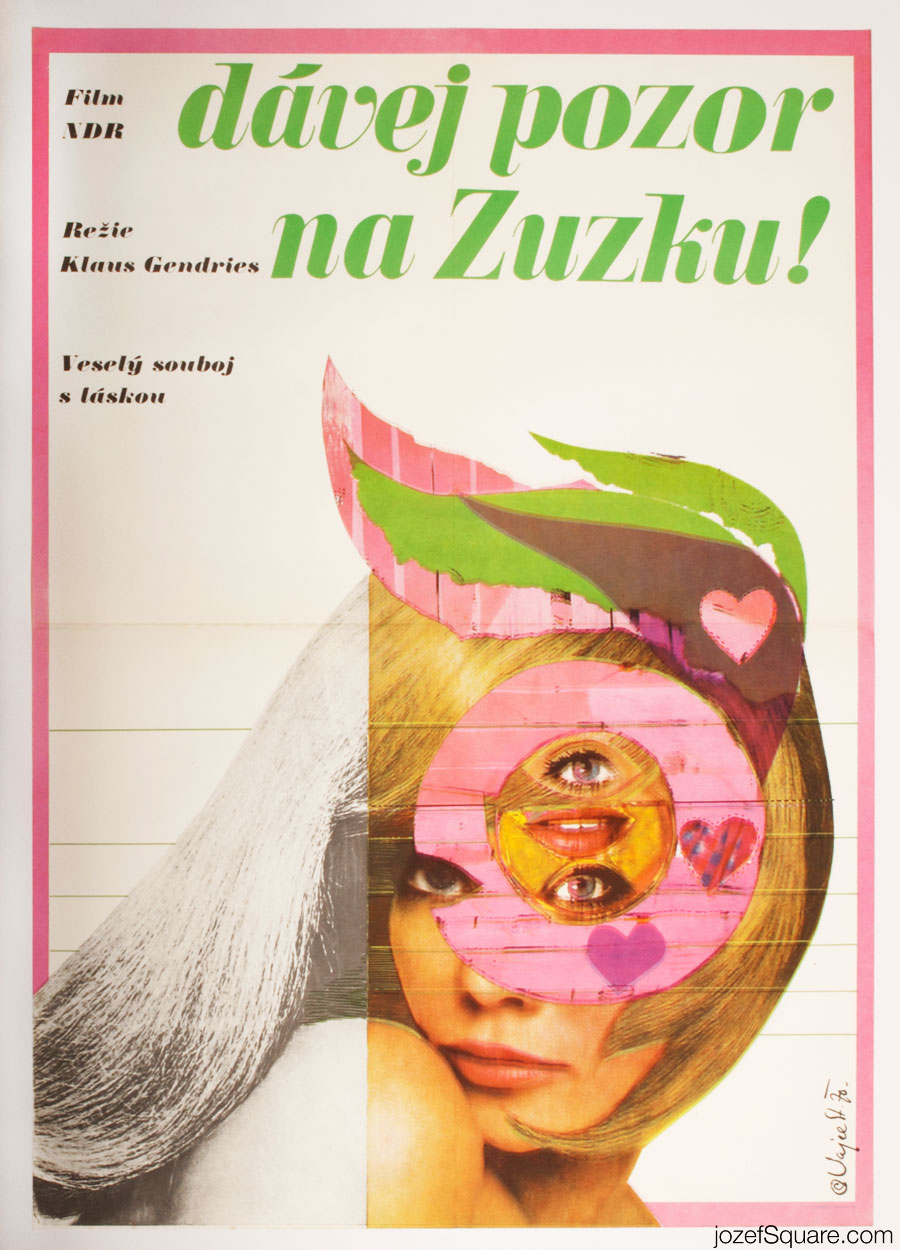
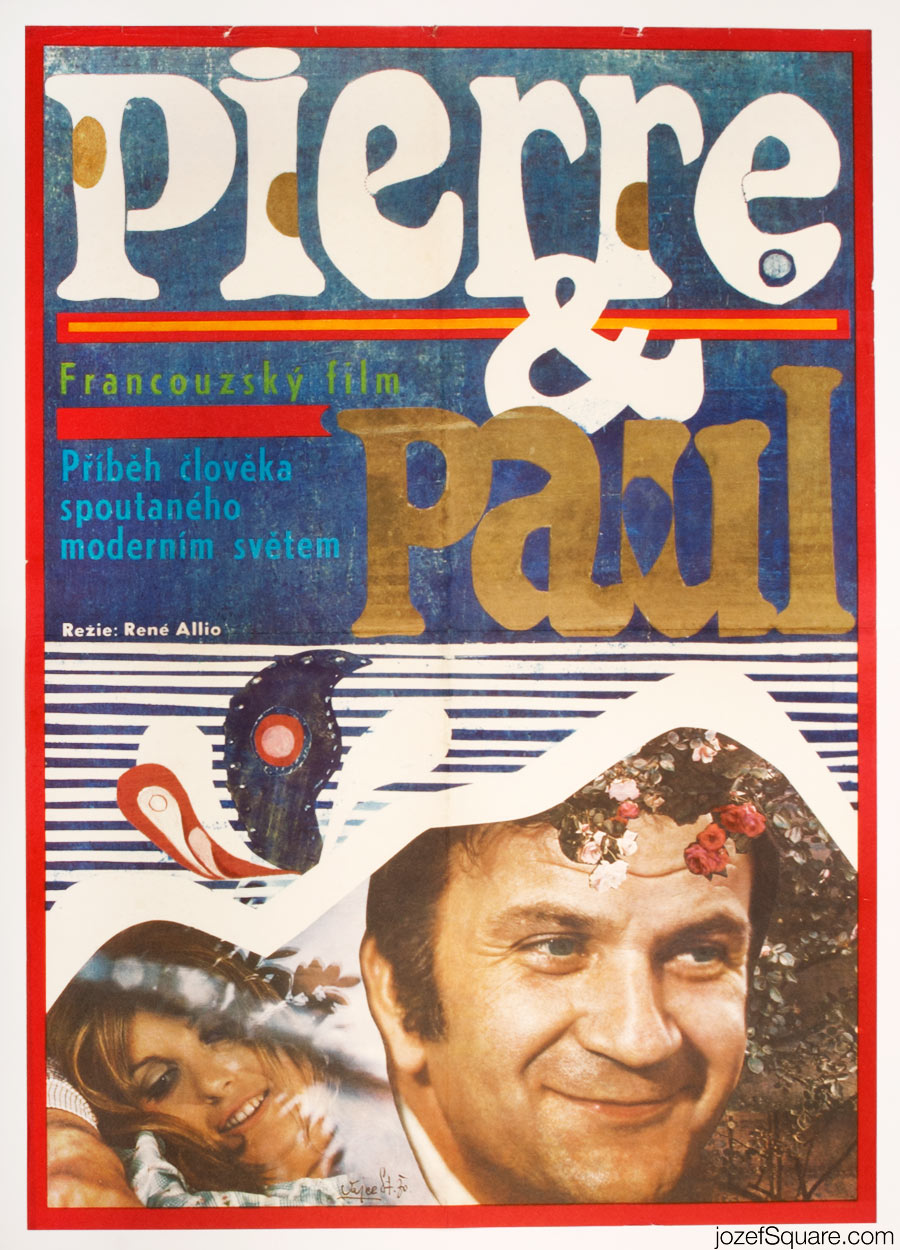
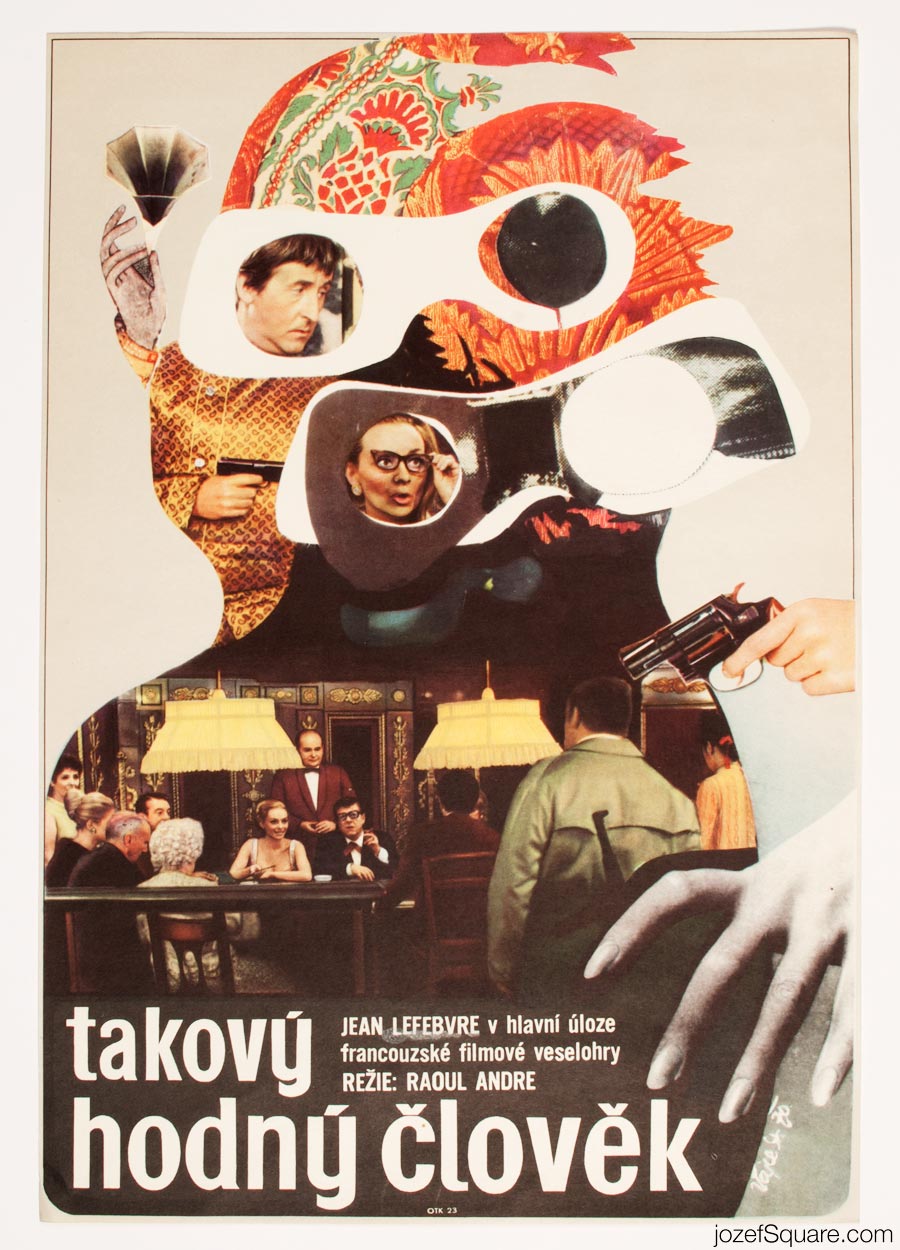
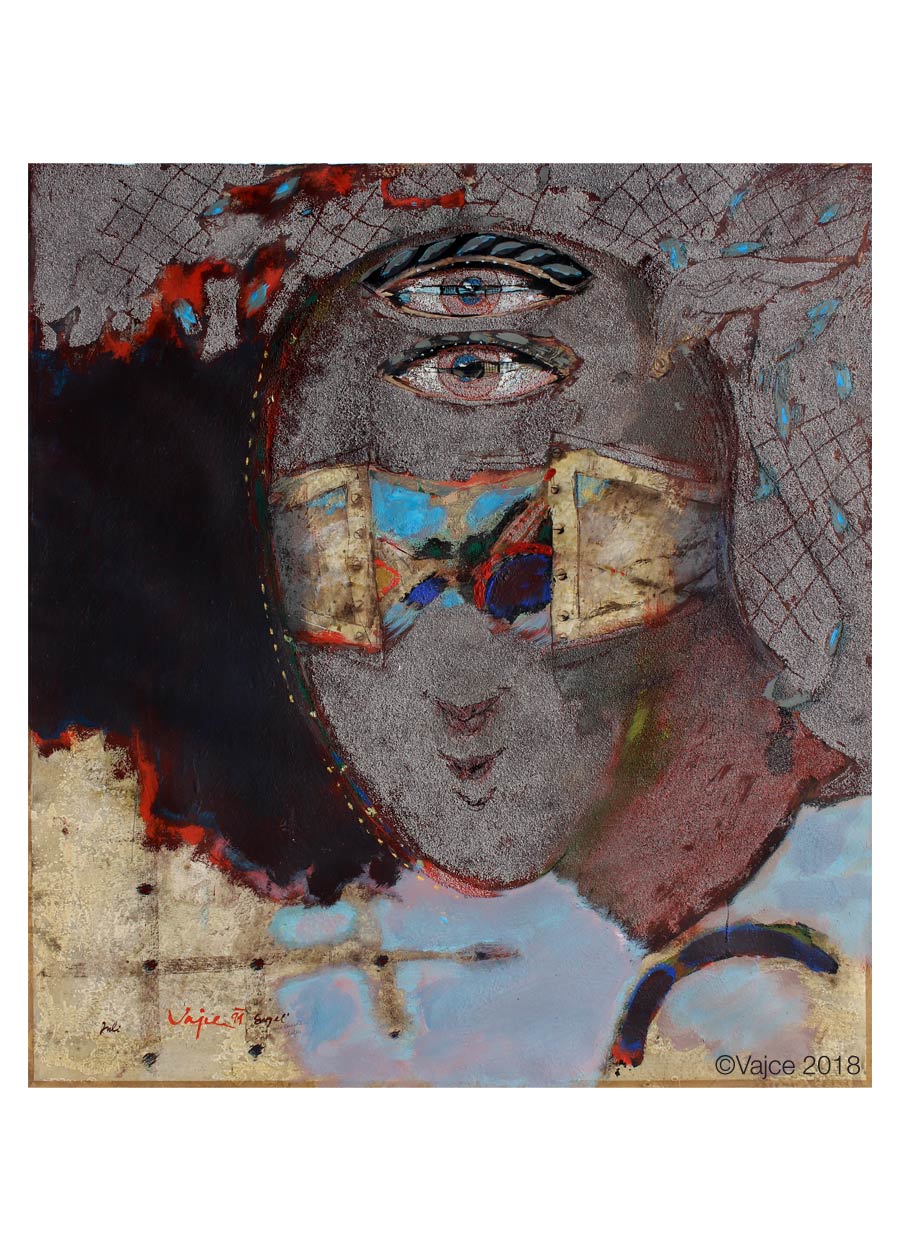
Stanislav Vajce’s movie posters are real joy to look at, he blends many different techniques that are meeting in very amusing results. There is no limitation to his designing approach. He likes to play with the surface and texture, mixing montage, collage and obviously the brush stroke. The use of every day objects and body parts are repeatedly reoccurring. His use of eye cutouts is almost as striking as the famous scene’s from Luis Buñuel’s and Salvador Dalí’s Un Chien Andalou, eye element keeps returning in several of his posters. Stanislav Vajce’s poster designs are only a step away from his paintings, but unlike in his fascinating assemblages, he likes to employ that cinematic touch in his posters and that is the use of the photograph. Breaking boundaries (in design) seems the most natural to him. His movie posters are pure visual poetry with certain tenderness and delicacy.

•••
•••

Between 1964 − 1972 Stanislav Vajce designed 24 movie posters. He emigrated together with his family to West Germany in 1987 where they live ever since.

•••

Interview with Stanislav Vajce’s wife Eva:

We felt very privileged and lucky at the same time when we’ve heard from Stanislav Vajce’s daughter in law Kirsten. We are willing to make an interview with exile poster artist for so long and are constantly trying to find those “channels”, but we were never as close. It did not take long and we were granted with the reply from Stanislav’s wife Eva Vajce[^8][^9] . We were very happy to find out that she would try to answer some of our questions. Unfortunately Stanislav Vajce’s health does not allow him to participate in this interview. Several questions regarding actual poster designing processes had to be deleted, but we believe Mrs. Eva’s fascinating replies are telling more than we could ever ask for.

[quote]“At the beginning I have to let you know that my husband is seriously ill and unfortunately he will not be able to give answers to your questions. In regards to your effort in trying to approach Stanislav, I would love to try to answer some of them, at least briefly, according to my knowledge.”[/quote]
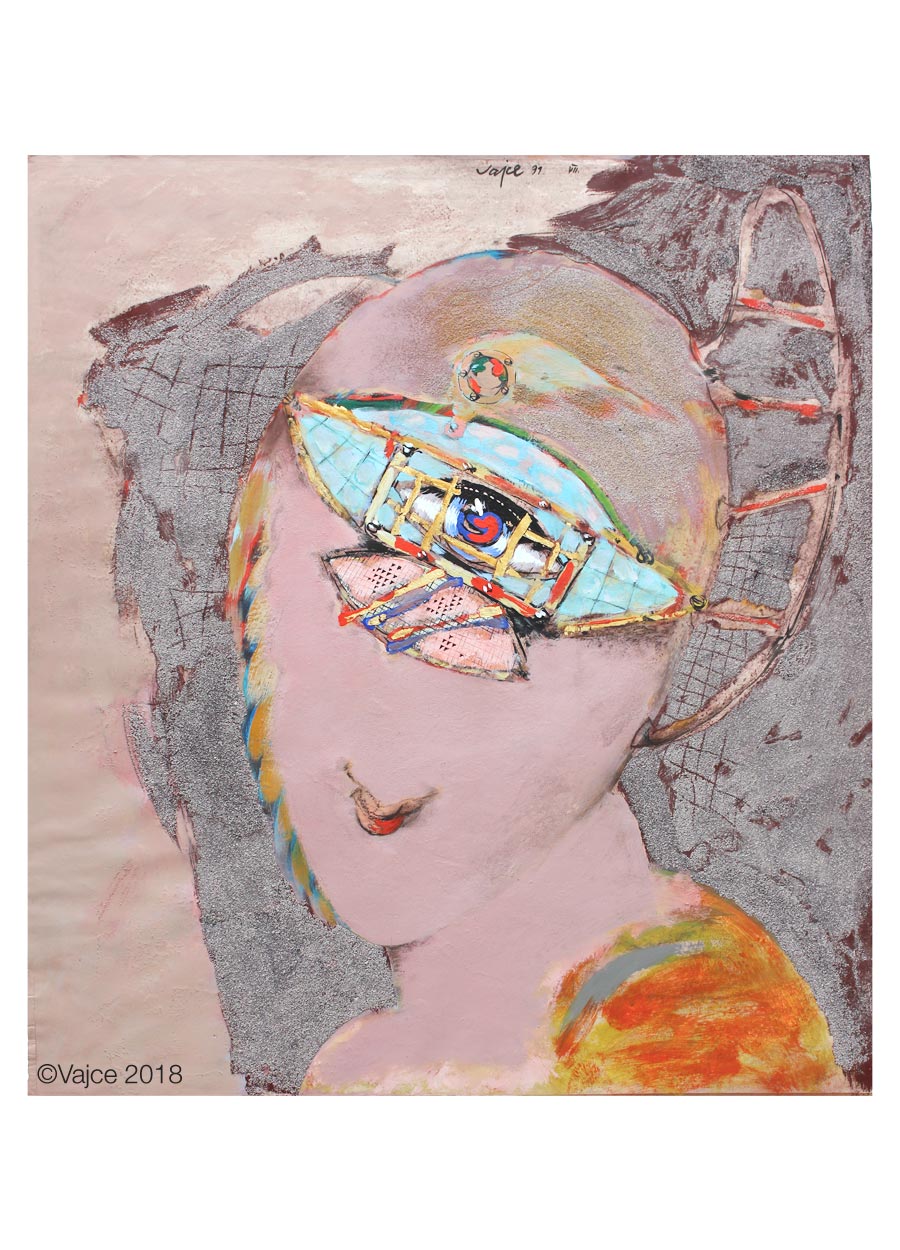
We’ve learned that after your studies at Secondary School of Applied Arts in Uherské Hradiště (1954 – 58) you graduated from Academy of Arts, Architecture and Design in Prague (1959 – 63). What were the possibilities for a young graduate of the art school in the mid 1960s in the totalitarian state, in embrace of Communist propaganda and social realism?

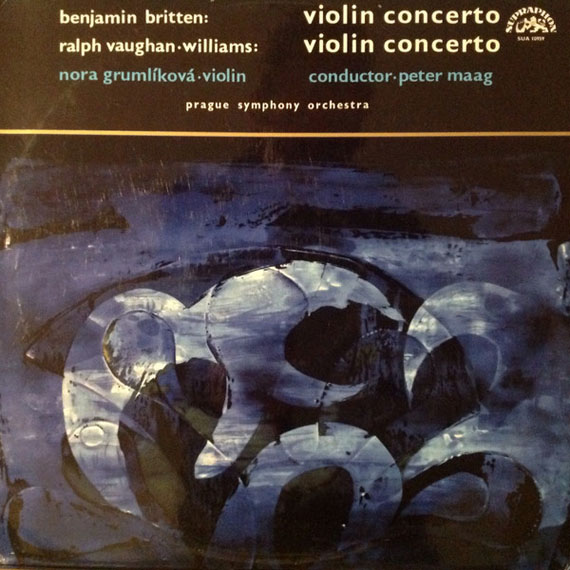
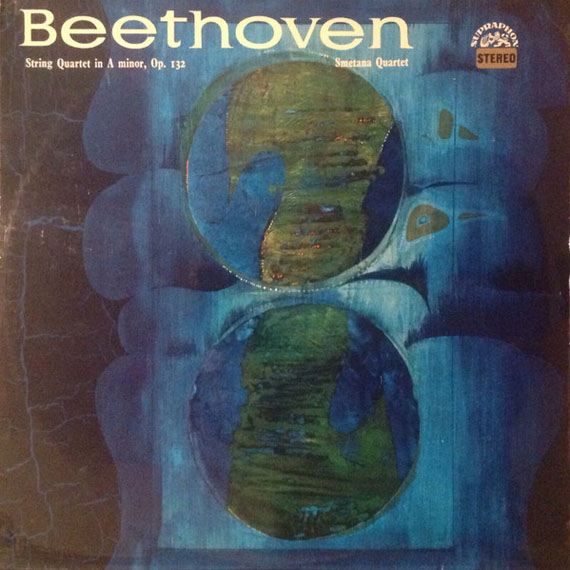
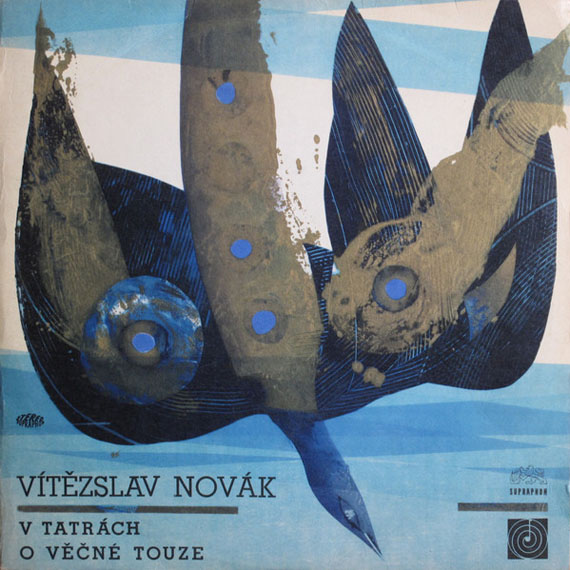
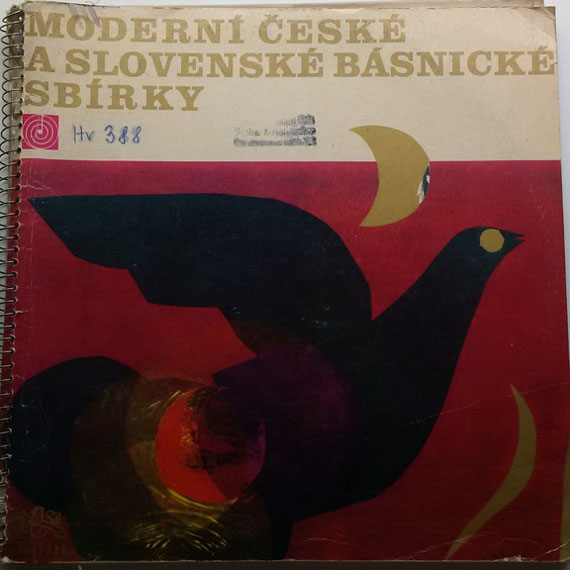
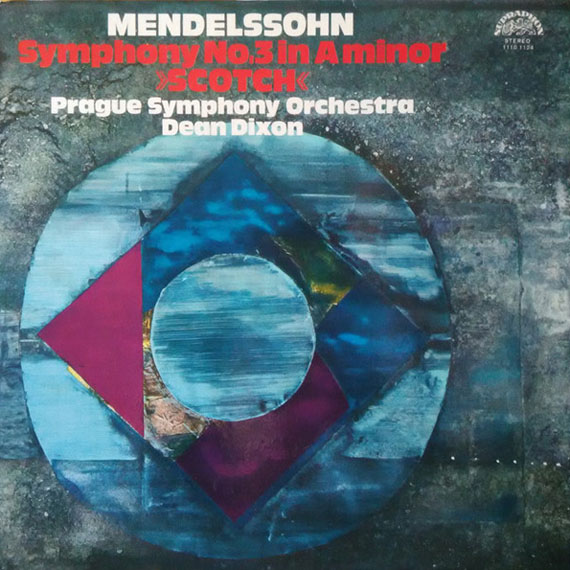
[quote]“My husband studied at the Academy of Arts, Architecture and Design in Prague a monumental painting under the supervision of professor Fišárek. Since he was not in the Communist Party, he did not expect to be able to live of painting, or to get any sort of architectural commissions and began to devote himself to book graphics. He discovered the art of gramophone record covers was not efficient enough. Record company Artia[^10] had business success around the world with top-class recordings of classical music, but had sales difficulties due to the appearance of the product. Records with his packaging were the attraction for foreign buyers. Along with that, he started to design posters, illustrations, etc.”[/quote]
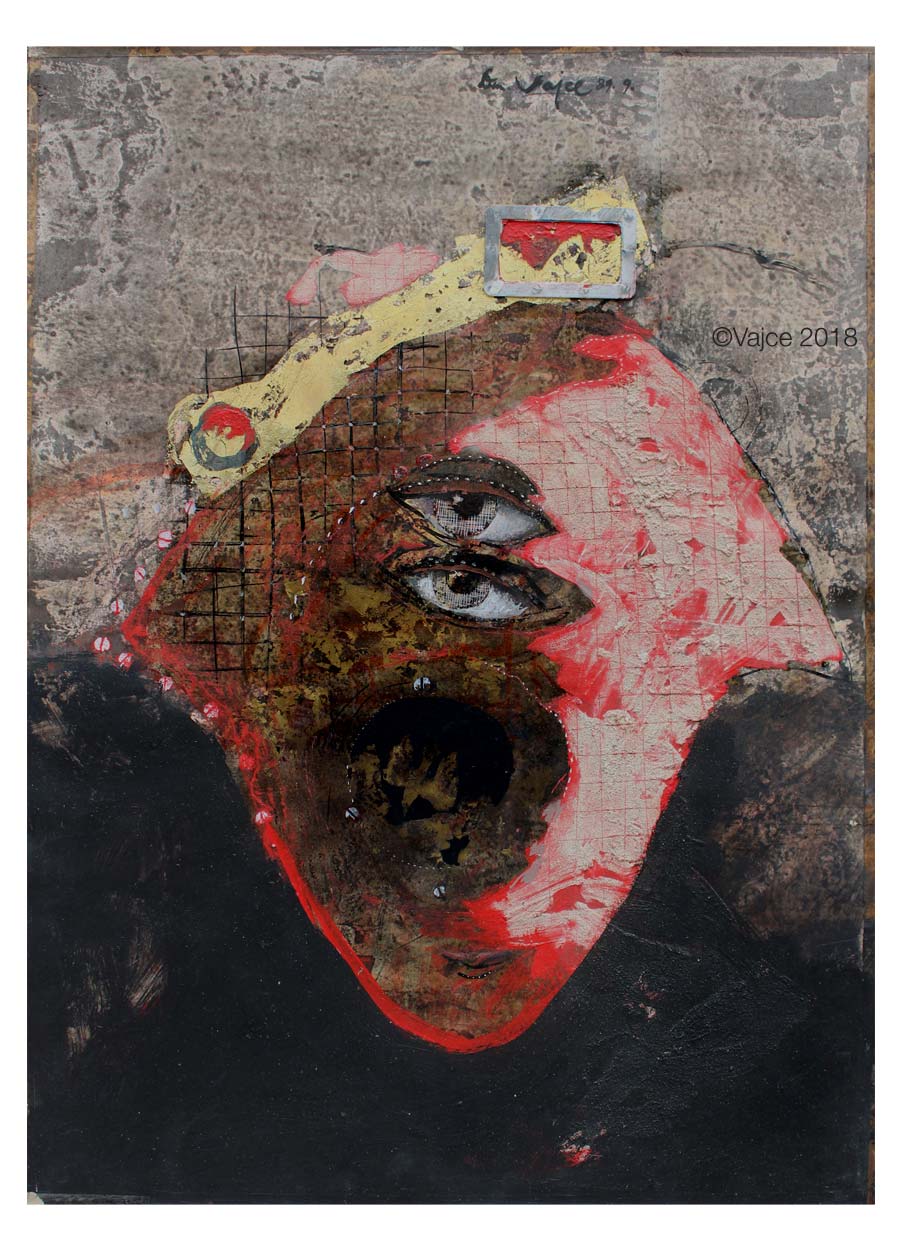
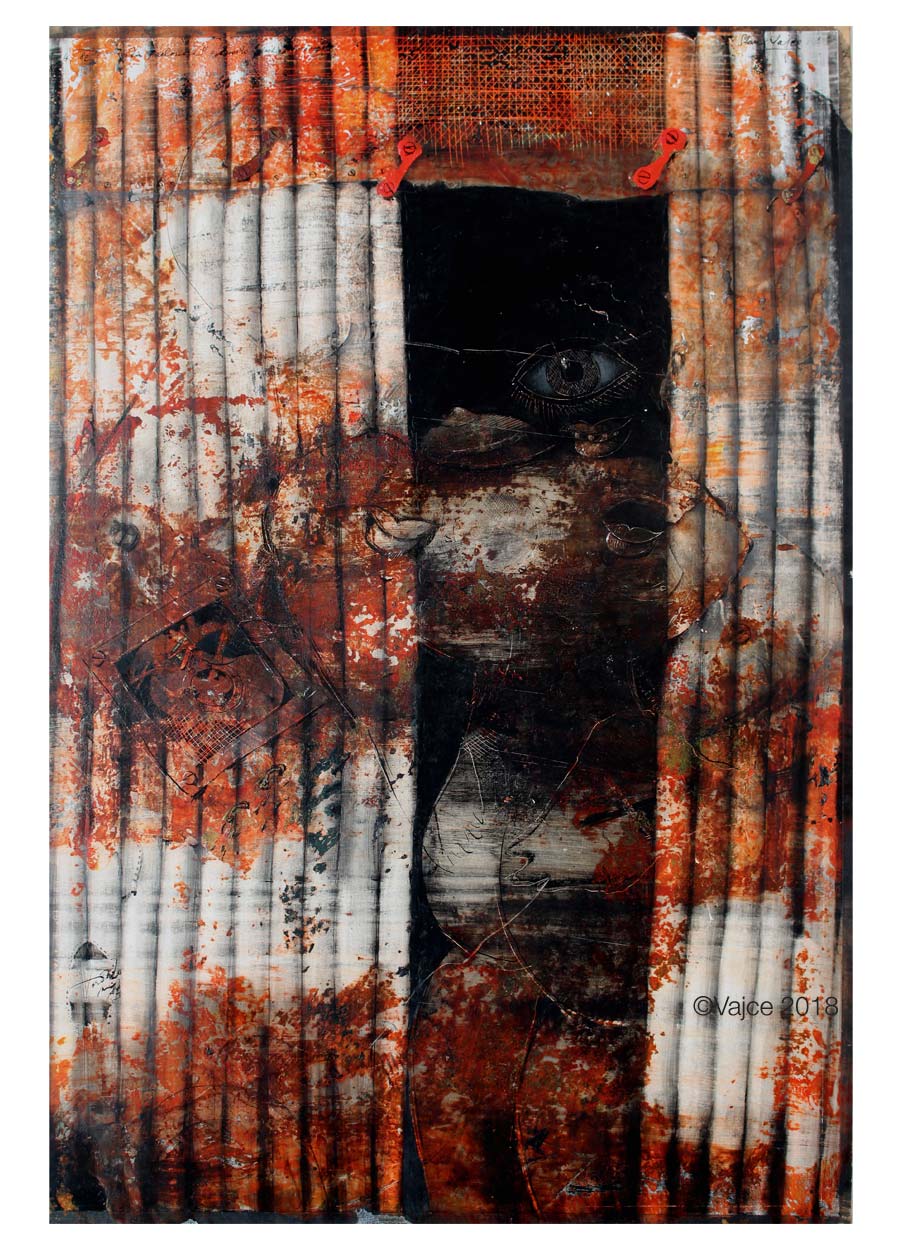
Between 1964 – 1972 you’ve been working on movie posters, similarly as many other contemporary artists. Why was the poster making so popular among artists and what brought you to designing?

[quote]“Poster designs were relatively well paid at that time, thus quite a fight/competition among the graphic artists, it was simply a question of existence. Otherwise, my husband did not belong to these typical “graphic artists”, which is why, as I suppose, he was not represented on poster exhibitions, even though the quality of his work deserved it. On the contrary he did not care about the appreciation, it was indifferent and unfamiliar to him. The commissions for the posters were coming from Mrs. XX, I do not remember her name anymore, because Stanislav was sympathetic and did not ask for any. There was the so-called art committee made out of artists such as Vaca, etc., similarly as with all art commissions. The members of such a committee were nominated by the Union of Fine Artists and they were politically engaged to the party, in many times it did not matter how good their art was. The most of the contracts were distributed among themselves. If Stanislav occasionally passed, it was always because of the high quality of his artwork, he was always aside of art groups or unions. Graphic artists were holding together quite strongly. Perhaps, in my opinion, they had complex from “painters”.[/quote]
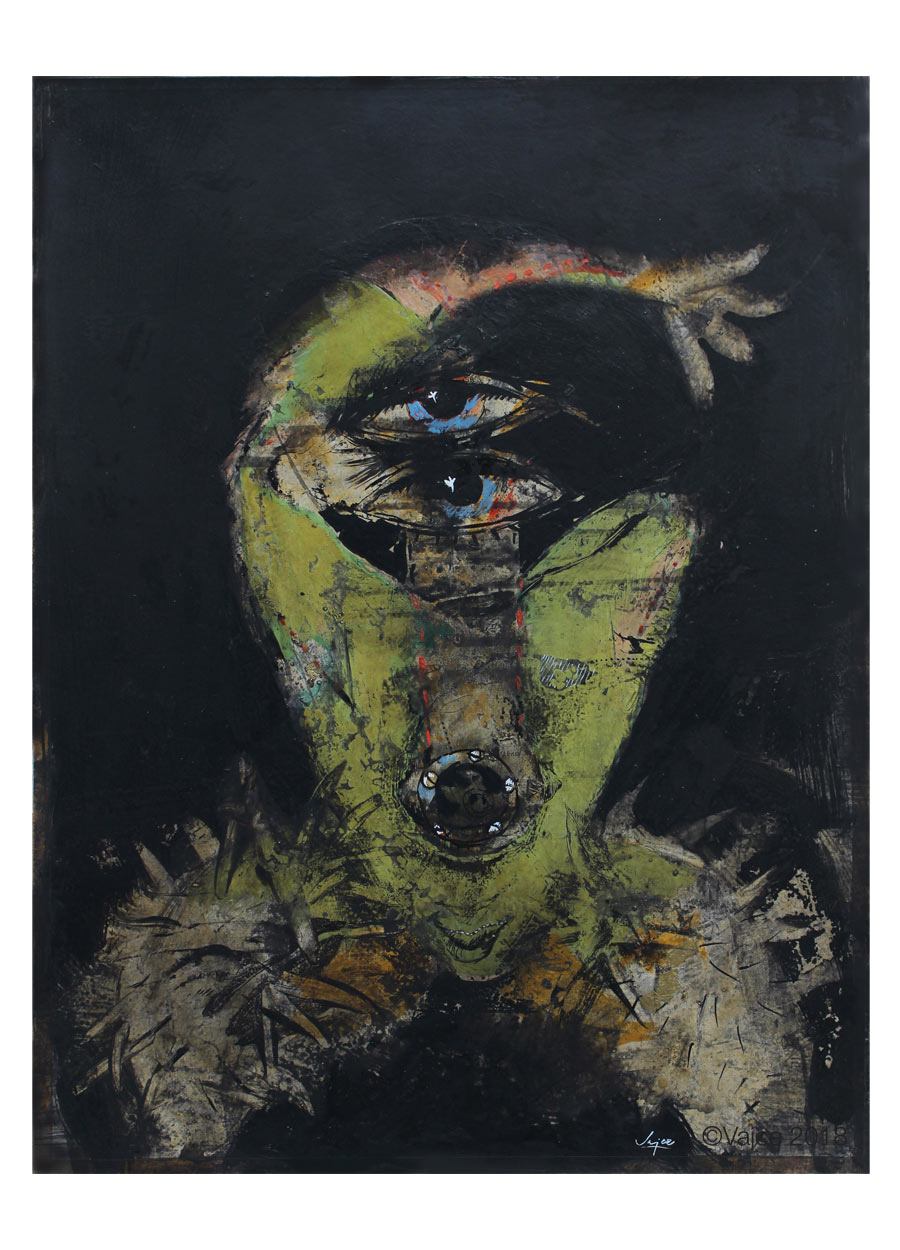
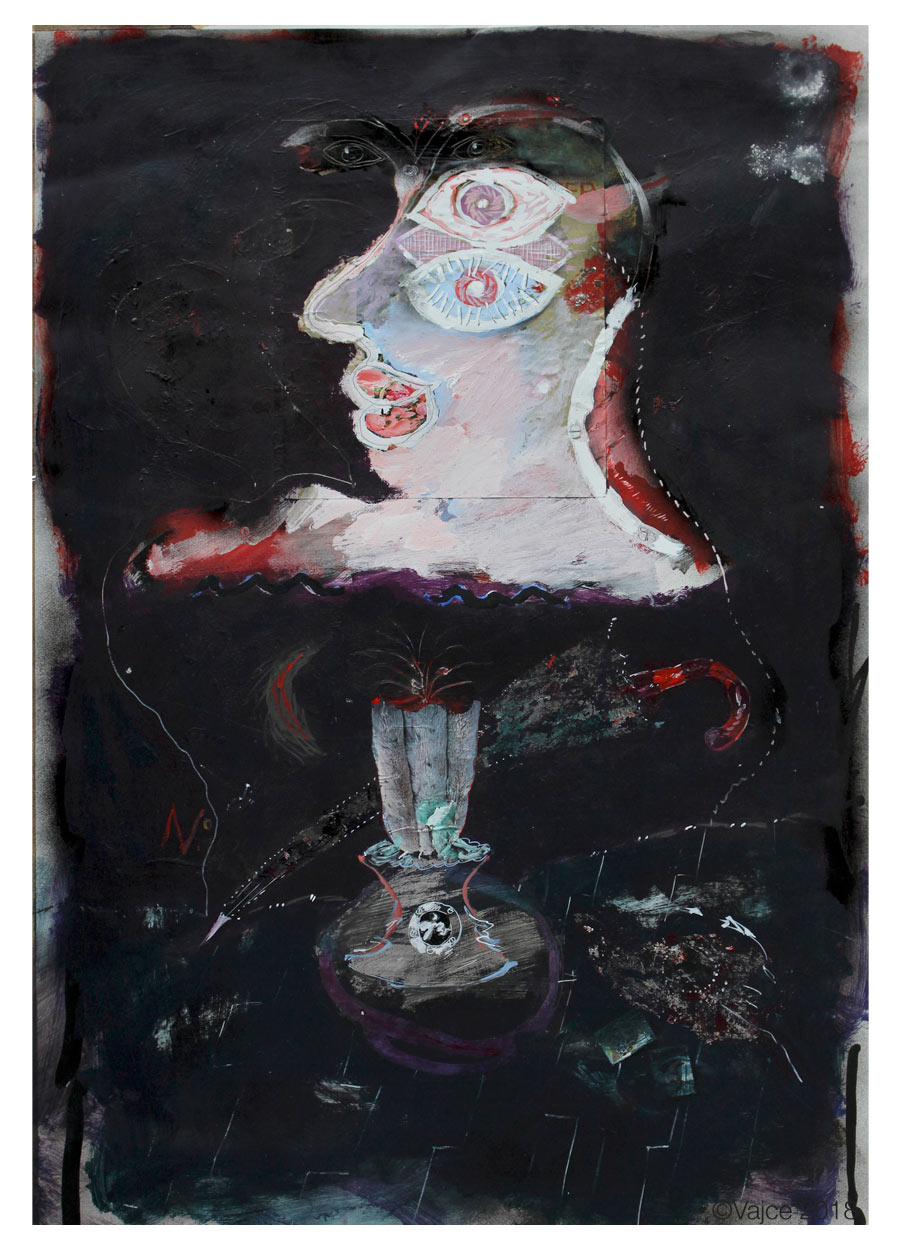
1960s have brought considerable liberalisation to countries such as Czechoslovakia. Changes have been evident in literature, film and art as such. State borders ceased to be as much guarded and few artists at that time managed to present their work also abroad. The films of the Czechoslovak New Wave won several awards at major film festivals and Czechoslovakia reappeared on the map of the world. Film posters took place in international competitions and many artists have been featured in such prestigious magazines as Graphis or Gebrauchsgrafik. However occupation of Czechoslovakia by the associated states of the Warsaw Pact at the end of August 1968 made early end to all of this. Normalisation has prevented many artists from continuing to work, some have been forced to emigrate, and many names have disappeared from poster scene. How did the situation after August 68 reflected on your work?
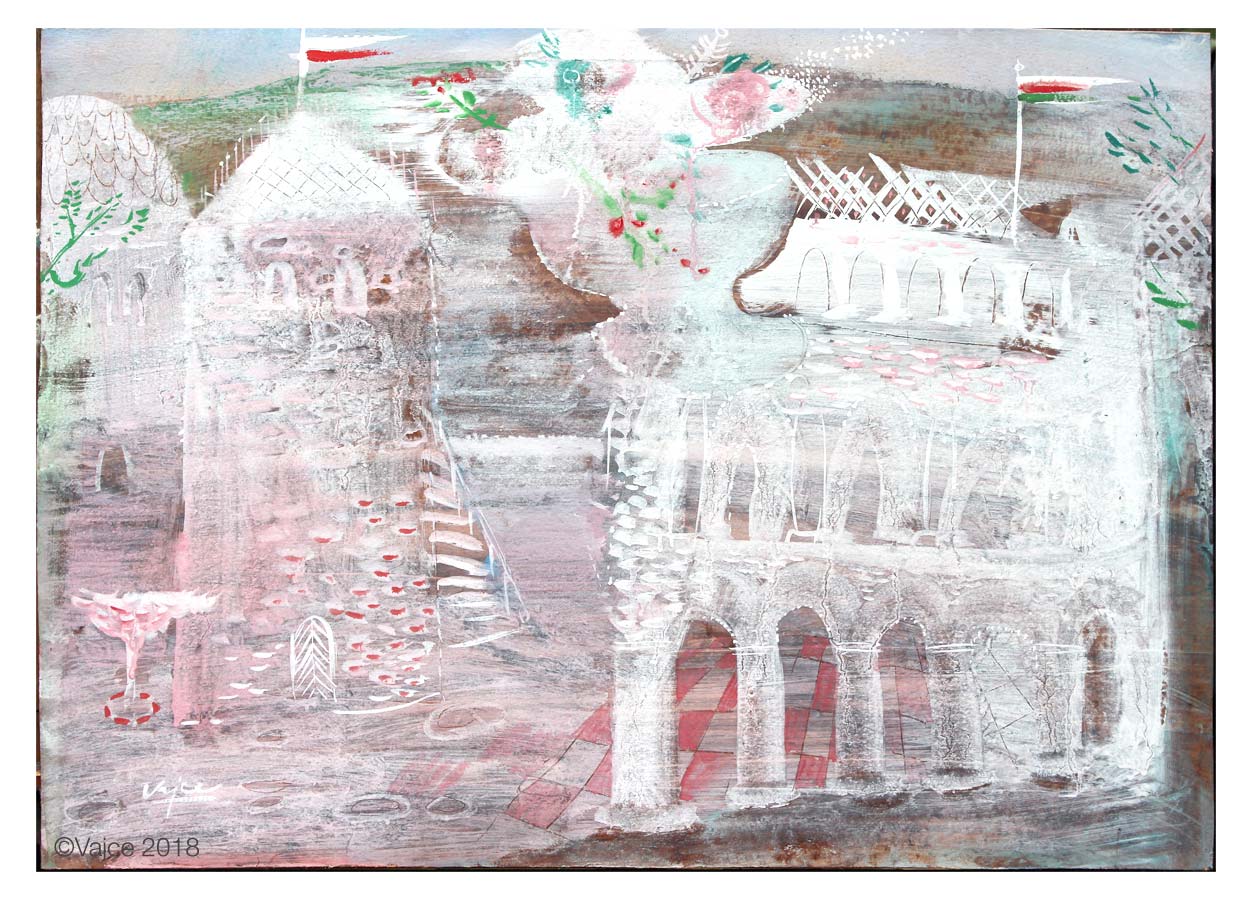
Somewhere in Italy, 1968

[quote]“In 1966, we managed to travel to Italy and my husband fell in love with Italian countryside. After our return, he began to paint pictures inspired by this journey and by chance, the head of one of Dílo’s galleries (“Artwork” Gallery – which was the sales section of the Union of Fine Artists) who saw them in the studio persuaded my husband to put them on sale. Since all the works of art had to go through the committees consisting of artists with party and political commitment and approval, the matter was rather disgusting. Still, here and then they had been forced to approve some of his work, so he devoted himself much more to painting.”[/quote]

[quote]“The most important for Stanislav was that his paintings had a great response and many were sold. Directors of Dílo Galleries had to show revenue, so they were trying to commission husband’s paintings by personal agreement with agents, etc. The secretary of the Union of Fine Artists Dr. Lhota was also admirer of husband’s work and if there was any show cancellation and exhibition gallery became vacant, he literally sneaked my husband in within very short notice.”[/quote]

[quote]“Another one of his admirer was the poet Karel Sýs, a convinced communist, to whom my husband illustrated poems. Karel Sýs had a great literary interest in husband’s art and because he was the editor of Rudé Právo[^11], he enforced publishing. On one hand, we were spied on, because of our religious foreign ecumenical engagement and political dubiousness, on the other hand my husband had influential advocates who tried to make his work available to the public. It was all due to the fact that his paintings were irresistible for the large audience, art collectors and exhibitors had great success with them.”[/quote]
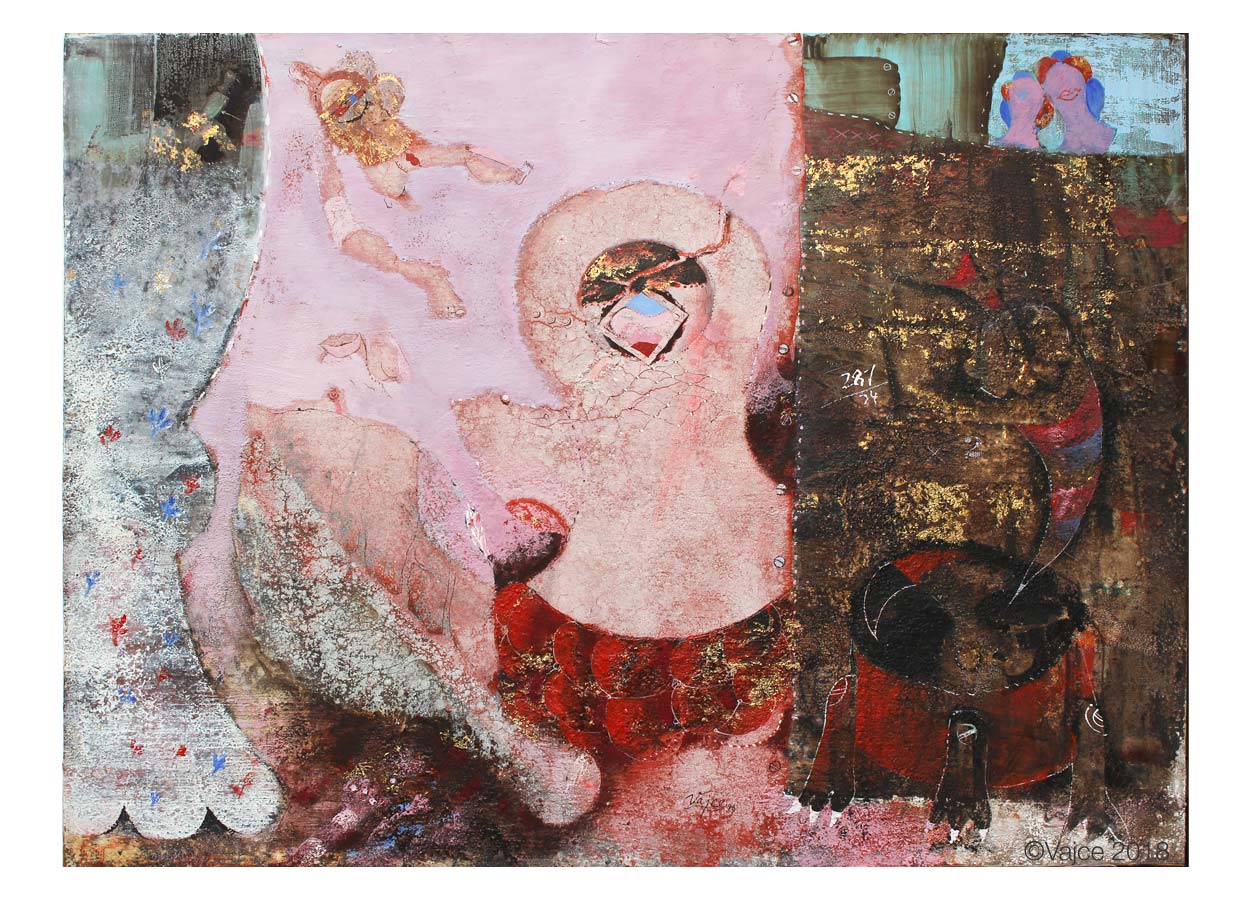
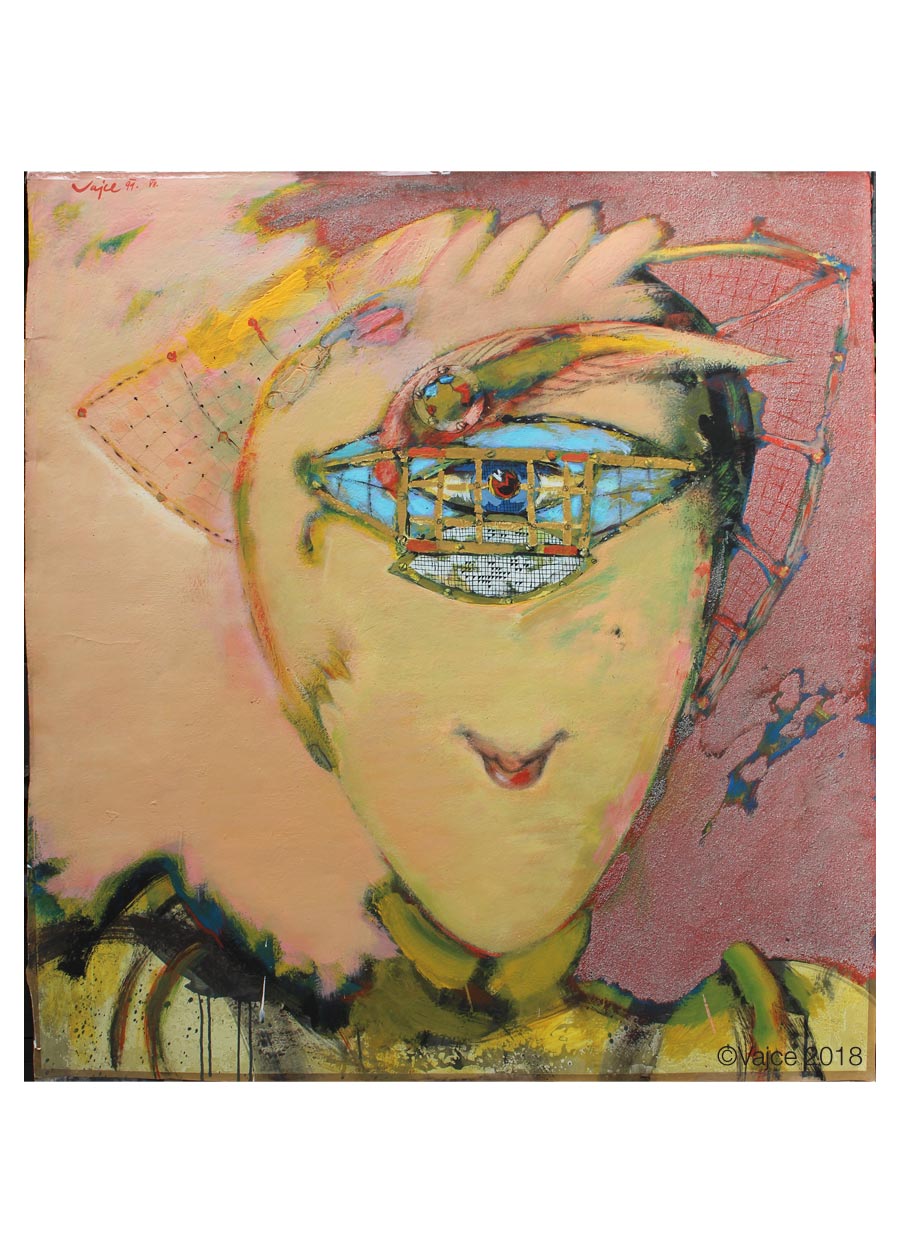
Dream, 1978

[quote]“Such a system was censoring all of the artistic activities, not only for graphic art and that was the biggest dirt (not to be called otherwise). The system allowed to distribute contracts among artists not by the quality of their work, but because of the political engagement. Simply said.”[/quote]

[quote]“From my own experience in 1986, when committee openly said to the architect and investor: Vajce does not get an approval stamp on her proposal, she had guzzled enough already, she will never get a bite again, literally in exactly same words. (I previously won an anonymous competition where members of the government committee and architects mistakenly assumed I was in the party, and because they liked my proposal the most, they overpowered the Union of Fine Artists (fiasco). This is just to illustrate the situation, I’m writing to you openly, as it was.”[/quote]
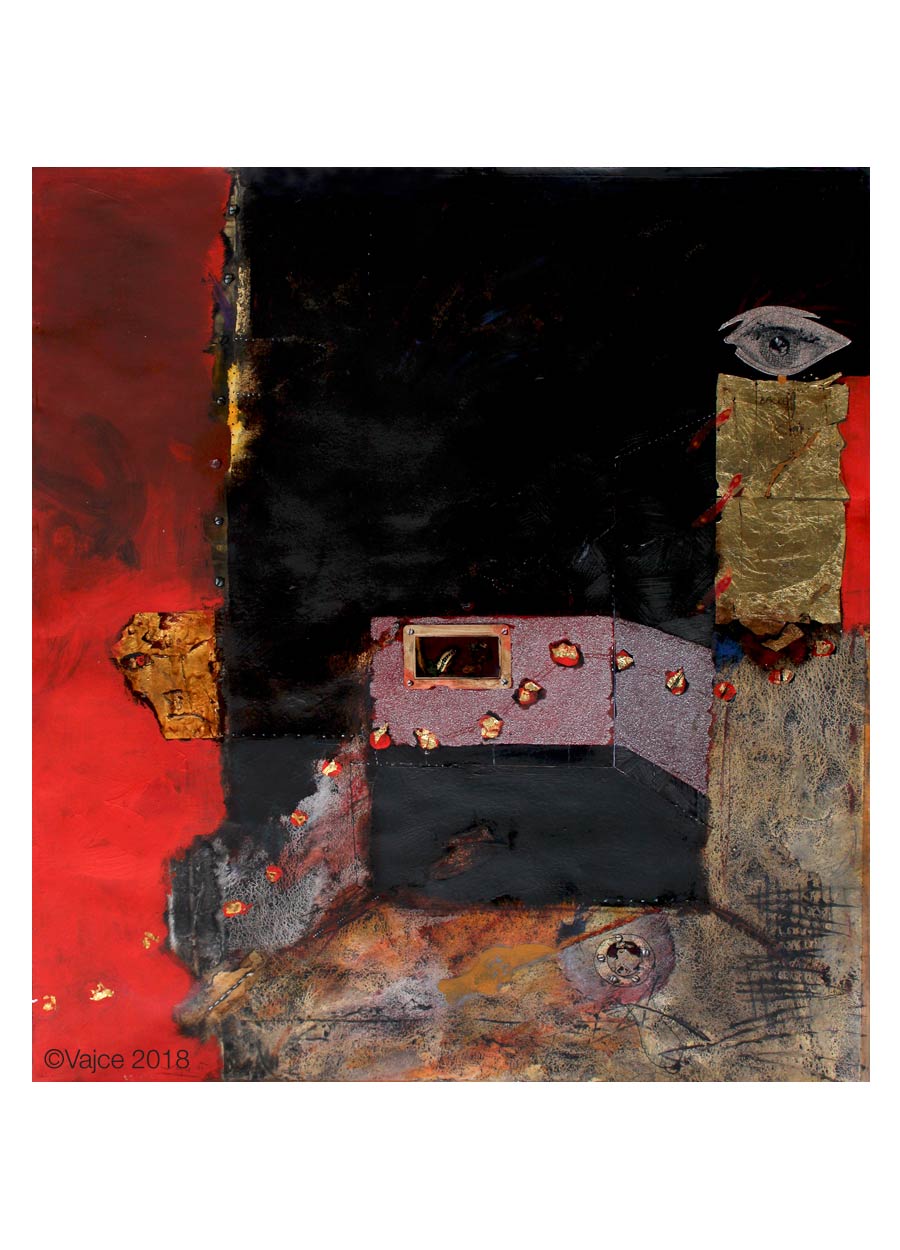
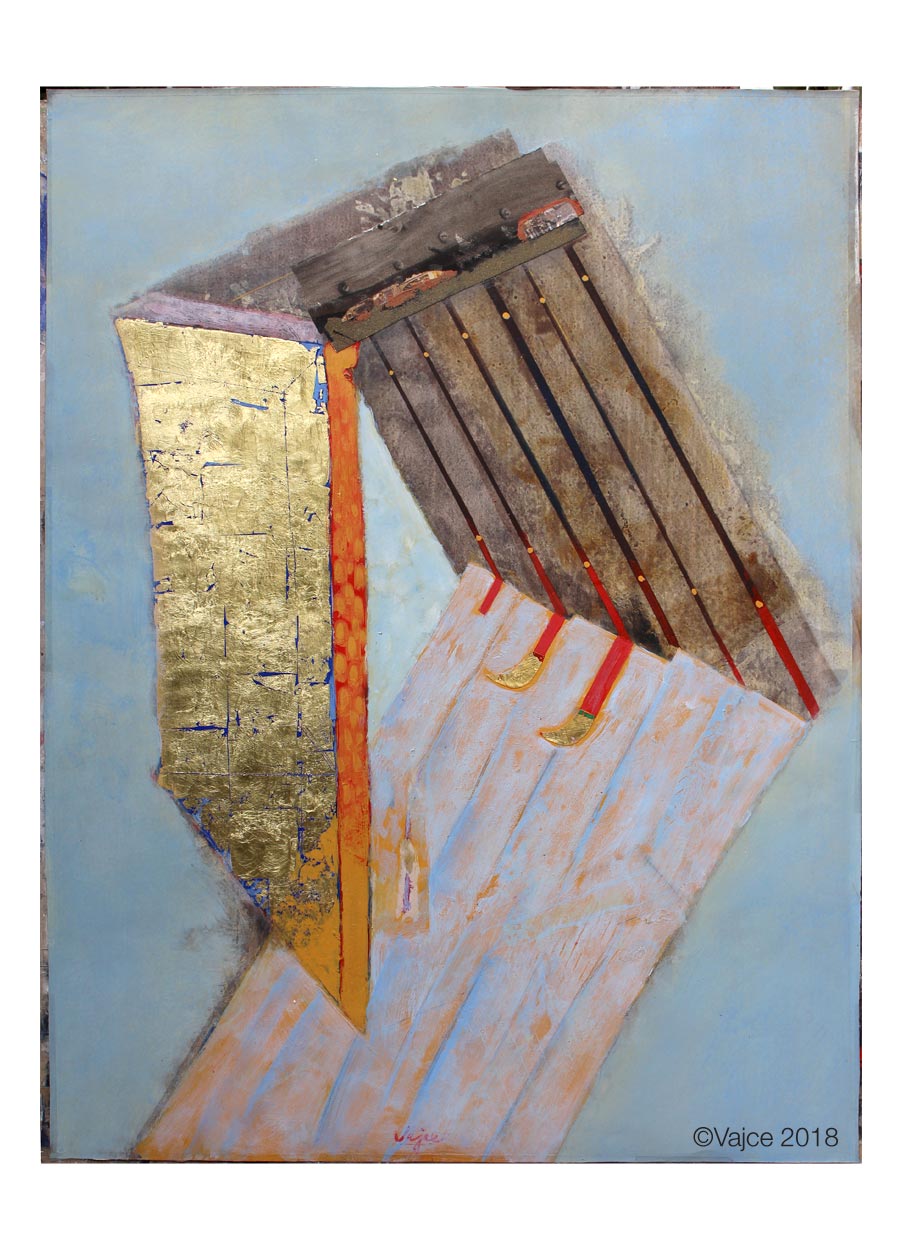
It is clear that the main poster commissioner was ÚPF (Ústřední Půjčovna Filmů / Formal state distribution 1957-1991) with its own censoring committee that was deciding which posters could go into distribution. In article with Zdeněk Ziegler we read that some of the poster designers as Karel Vaca, or Dobroslav Foll were also part of such a committee.[^12] Could you describe a little how was approval process working and what were the selection criteria? Or were there any taboos that were not permitted to be shown?

[quote]“As I see it, the main criteria was money distribution.”[/quote]

It’s almost half of the century that you have not been designing film posters, nevertheless they still look very modern and impressive. How do you personally perceive them after such a long distance of time?

[quote]“In my opinion, they appear in such a way, because graphic art was always taking part in Stanislav’s versatile art besides of illustration, landscape painting, portrait, drawing, monumental painting, sculpture.”[/quote]
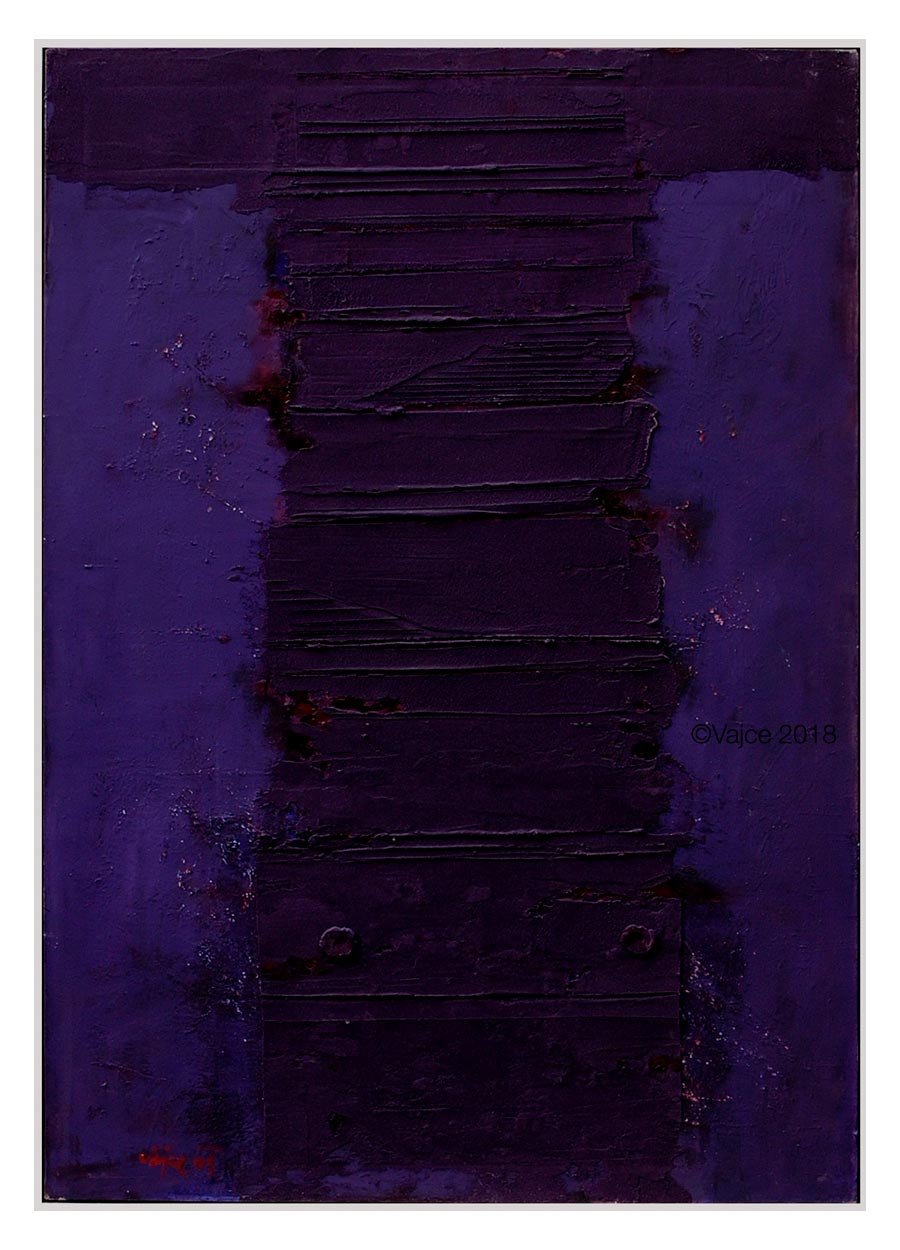
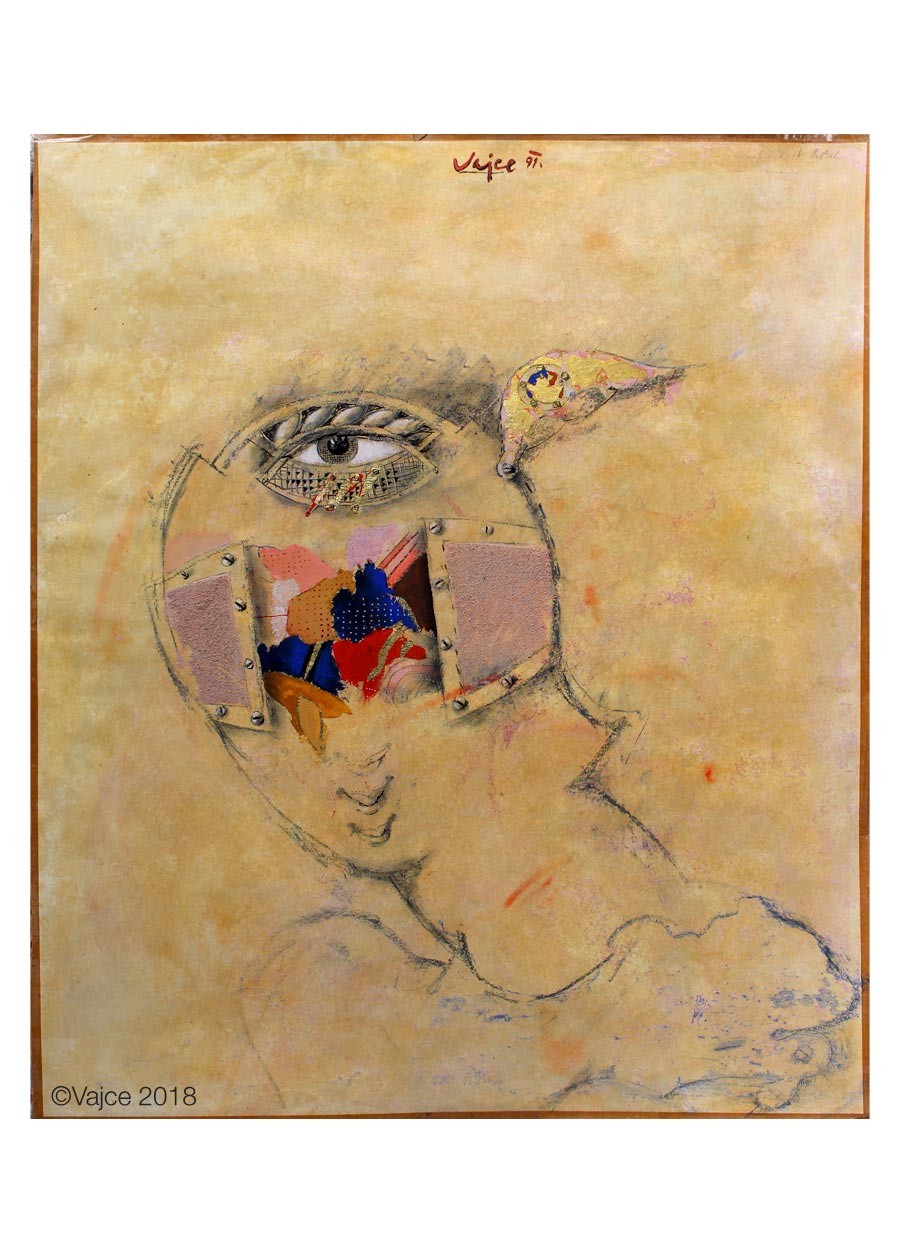
Meditation, 2001

Many thanks to Eva & Stanislav Vajce for sharing their precious time and knowledge with us.

•••

Examples of record sleeves designed by Stanislav Vajce:
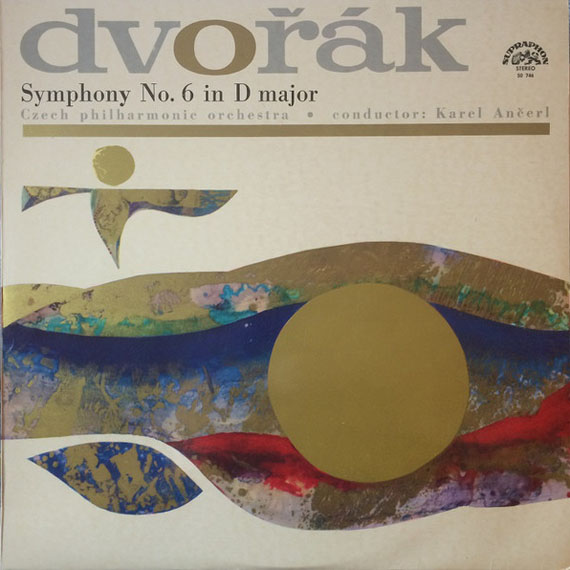
•••

Please see other fascinating posters designed by Stanislav Vajce.

•••

Resources:

Literature:

  • [^3]: Milena Klasová: Stanislav Vajce / Galerie Klatovy, 2015 / published for Stanislav Vajce’s retrospective, also printed debut about artist
  • [^4]:[^6]:[^7]:  Milena Klasová: Stanislav Vajce / Galerie Klatovy, 2015, p.119, p.26, p.133,
  • Collective authors: Czech film posters of 20th century / The Moravian Gallery in Brno, Exlibris Prague, 2004.
  • [^12]: Flashback / Czech and Slovak Film Posters 1959-1989, ed. Libor Gronský, Marek Perůtka, Michal Soukup, Olomouc Museum of Art, 2004, p.34 (Welcome to hard times… by Zdeněk Ziegler)

Online:

Additional online research:

Images used:

  • Stanislav Vajce’s record covers: discogs.com
  • Images of Stanislav Vajce’s artwork are property of the artist and are all copyrighted.

•••

Note: this showcase is part of our ongoing article Film posters / Made in Czechoslovakia. The story of film posters, please read Take 1 / Take 2, or see artist’s INDEX for more blog posts.

•••

For shop and blog highlights, please SUBSCRIBE to our weekly newsletter.

Similar Posts

  • Poster Designs / Sixties – Robert Brož. The Story of Film Posters.

    Film posters in history. Sixties poster designs.

    Poster Designer / Robert Brož

    Art Editor / Book Illustration / Graphic Art / Typography

    1970s Book Cover, Robert Broz
    Book cover design, colour letterpress, Robert Brož, 1970 *

       ***

    – b. 10th of August 1939, Prague-Čelákovice, Czech Republic

    Education:

    – 1954−1958, School of Industrial Art, Bratislava

    Exhibitions:

    – Biennale Brno 1966, 1970 and later
    – Bratislava, Prague, Sofia, 1968
    – BIB, Biennale of Book Illustration, Bratislava 1969, 1971 and later
    – IBA Leipzig, 1971
    – Biennale Warsaw 1971, 1975
    – Barcelona, Berlin 1973

    Awards:

    – Diploma, International exhibition of young poster designers, Sofia, 1968
    – Merit Award, IBA Leipzig, 1971
    – Merit Award, The most beautiful book of the Year, Bratislava, 1972 and 1977

    ***

    Typography Poster, 1970s Kids Poster
    Excellent typography – Pilgrimage to San Jago, Robert Brož, 1973.

    ***

    Robert Brož’s appearance in Czechoslovak film poster archive is rather rarity, even though designing posters was one of his main profession. As a typographer and graphic designer he has created numerous number of book covers (Bronze Medal, IBA Lepzig, 1971), posters and specialised in creating ex libris for collectors. He was also editor and graphic designer of Slovak publishing house Osveta.

    We only know of one single film poster Robert Brož has ever designed. It was created for children’s tale Pilgrimage to San Jago (unofficial title) and done very much in what you would call Brussel style. Common design resonating pretty much in everything made in late Sixties Czechoslovakia (precious times swept away by shady 1970’s propaganda).

    ***

    Bratislava City Gallery, 1970s Logo, Robert Broz
    Bratislava City Gallery / Galéria Mesta Bratislavy, logo design, Robert Brož, 1971.**

    ***

    Finding out Robert Brož’s name on majority of books published for Slovak photographer Martin Martinček made us nicely surprised. Martin Martinček’s photography is hugely admired by us and we thought you might like to see more examples of Robert Brož’s design. As he was not exactly movie poster designer, we still believe in his importance in Czechoslovak graphic art and are adding his name to our Sixties designers list.

    ***

    Book cover, Martin Martinček, Cradle
    Martin Martinček / Cradle – photography book cover, Robert Brož, 1972.***

    ***

    We will be coming back to Martin Martinček in later individual posts on photography, where we’ll try to show a glimpse of his excellent work and maybe we’ll even reveal some of his unseen prints from our collection of photographs.

    ***

    Photography book cover, Martin Martinček, Highlanders
    Martin Martinček / Highlanders – photography book design, Robert Brož, 1975.****

    ***

    Note: this showcase is part of our ongoing article Film posters / Made in Czechoslovakia. The story of film posters.

    ***

    Resources:

    Literature:

    • II. Bienále Užité Grafiky Brno ’66, Medzinárodní Výstava Knižní Grafiky a Ilustrace, Moravská Galerie v Brně. / 2nd Biennale of Graphic Design Brno ’66, The International Exhibition of Book Graphics and Illustrations, Moravian Gallery Brno, 1966
    • IV. Bienále Užité Grafiky Brno 1970, Medzinárodní Přehlídka Plakátu a Propagační Grafiky, Moravská Galerie v Brně. / 4th Biennale of Graphic Design Brno 1970, The International Exhibition of Poster and Promotional Graphics, Moravian Gallery Brno, 1970
    • V. Bienále Užité Grafiky Brno 1972, Medzinárodní Výstava Ilustrace a Knižní Grafiky, Moravská Galerie v Brně. / 5th Biennale of Graphic Design Brno 1972, The International Exhibition of Illustrations and Book Graphics, Moravian Gallery Brno, 1972
    • VII. Bienále Užité Grafiky Brno 1976, Mezinárodní výstava ilustrace a knižní grafiky, Moravská Galerie v Brně. / 7th Biennale of Graphic Design Brno 1976, The International Exhibition of Illustrations and Book Graphics, Moravian Gallery Brno, 1976
    • IX. Bienále Užité Grafiky Brno 1980, Medzinárodní Výstava Ilustrace a Knižní Grafiky, Moravská Galerie v Brně. / 9th Biennale of Graphic Design 1980, The International Exhibition of Illustrations and Book Graphics, Moravian Gallery Brno, 1980

    Online:

    abArt / Naděžda Bláhová

    Images used:

    • * Collective authors: Stretnutie / Meetings, Martin 1970. Book cover, colour letterpress. V. Bienále Užité Grafiky Brno 1972, Medzinárodní Výstava Ilustrace a Knižní Grafiky, Moravská Galerie v Brně. / 5th Biennale of Graphic Design Brno 1972, The International Exhibition of Illustrations and Book Graphics, Moravian Gallery Brno, 1972 (p.55)
    • ** logo – Martin Martinček – Exhibition Catalogue, Hora a horské bystriny / Mountain and mountain stream (unofficial translation). Galéria Mesta Bratislavy / Bratislava City Gallery, 1971
    • *** book cover – Martin Martinček – Milan Rúfus, Kolíska / Cradle (unofficial translation). Osveta, Banská Bystrica, 1972.
    • **** book cover, book design – Martin Martinček, Vrchári / Highlanders (unofficial translation). Osveta, Martin, 1975

    ***

    For shop and blog highlights, please SUBSCRIBE to our newsletter.

  • Poster Designs / Sixties – Jaromír Bradáč. The Story of Film Posters.

    Film posters in history. Sixties poster designs.

    Poster Designer / Jaromír Bradáč

    Graphic Art

    Pasha, original film poster, poster art
    Pasha, Jaromír Bradáč, 1969.

    ***

       Movie poster shown on the picture above has been seen previously in one of our articles on History of Poster Design in Czechoslovakia. It did not stop us from refreshing the memory as we are strongly effected by its expressiveness. Jean Gabin‘s common impression for every French born was broken into uncertainty. Divided into parallel fields as in the rhythm similar to main theme of that phenomenal soundtrack composed by Serge Gainsbourg. Music moves on as we can see even on the letters, one can hear the most peculiar sounds.

    Mysterious poster for Georges Lautner‘s film is hiding one extra mystery and that is the poster designer himself. Jaromír Bradáč remains the one, or at least for now. You can count number of his film posters on your left hand and that’s about everything we could track on this fantastic graphic designer. Hopefully the future will show some more light about him, as we believe five film posters is not everything he did.

    ***

    Film poster, 1960s poster design
    A Study About Women, film poster by Jaromír Bradáč, 1968.

    ***

    Note: article is part of  Film posters / Made in Czechoslovakia. The story of film posters.

    You can explore other interesting film poster designs made in Sixties available in our poster shop.

    ***

    For shop and blog highlights, please SUBSCRIBE to our newsletter.

  • Poster Designs / Sixties – Stanislav Duda. The Story of Film Posters.

    Film posters in history. Sixties poster designs.

    Poster Designer / Stanislav Duda

    Animation / Applied Arts / Book Illustration / Graphic Art


    1960s Vintage Movie Poster, Among Us Thieves
    Movie poster Among Us Thieves / Stanislav Duda, 1963


    • b. 2nd July 1921, Ostrava, Czech Republic [^1]
    • 2008, Czech Republic

    Education:

    • 1941 – 1947, Academy of Arts, Architecture and Design in Prague (Antonín Strnadel)

    Art groups:

    Exhibitions (selected):

    • 1954 – 1958 Group exhibitions, Bilance
    • 1956 – Exhibitions of Graphic Artists from Czechoslovakia. Poznan, Moscow, Warszaw [^3]
    • 1958 – EXPO. Brussels, Belgium
    • 1965 – Plakate aus der Tschechoslowakei. Munich, West Germany [^4]
    • 1959 – 1969 Ontario, Wien, Hamburg, Karlovy Vary, Bochum, Koln, Tolentino, London
    • 1967 – Contemporary Czechoslovak Poster. Olomouc, Czech Republic
    • 1964/1970/1972/1976/1980 – Brno Biennials, Czech Republic

    Awards (selected):

    • 1964 − Applied Arts Prize. 1st Biennials of Czechoslovak Poster and Applied Arts. Brno, Czech Republic
    • 1968 – Prize for Installation. XVI. Triennale, Milano, Italy [^5]
    • 1985 – Jiří Trnka Prize for animation Omalovánky / Colouring Books. Czech Republic
    • 1986 − 1st Prize for animation. Chicago Film Festival, USA

    Awarded posters:

    • 1964 – Honourable mention for Harold Lloyd in his best Comedies movie poster (bellow). International Film Festival, Karlovy Vary, Czech Republic [^6]
    • 1965 − 1st Prize for The Haunted Castle / Strašidla ze Spessartu movie poster. Filmplakat Wien, Austria
    • 1984 – Silver Hugo for Dead Men Don’t Wear Plaid movie poster. Chicago Film Festival, USA


    Stanislav Duda's Movie posters
    Harold Lloyd in His Best Comedies, 1963 / The King of Kings, 1963. Exhibition catalogue excerpt, Munich, 1965.


    Welcome to the humorous world of Stanislav Duda, possibly one of the longest lasting poster designer Czechoslovakia had on offer. His poster activities are dating to late 40s, where he gained several awards for his commercial poster designs. [^7]  Stanislav Duda begins to work professionally right after his graduation as graphic designer in Centrotex company (import / export of mostly textile products) where he stayed until 1953. From then onwards he works on his own as freelancer. He takes part in several group exhibitions representing graphic art from Czechoslovakia and also participates on International Exposition in Brussels (EXPO 58), where Czechoslovakia won prize for the best pavilion.


    By the beginning of 1960s when Stanislav Duda started designing movie posters he was already well established graphic artist. Not sure if it was just by mere coincidence or because of his personal character, but it seems that majority of his 1960s movie posters were designed mostly for grotesque comedy (most of the posters shown in the article). Parallel to his illustrated caricatures that could be seen in several popular periodicals or art magazines, one can suggest that circumstances were working in his favour.


    When Comedy Was King Movie Poster
    When Comedy Was King / Stanislav Duda, 1965. Brno Biennials catalogue excerpt, 1970.


    It is interesting to observe artist’s development through out his career. Stanislav Duda remained faithful to drawing all the way to mid 1980s. Apart of occasional use of very simple collage (Bewitched Love, 1969 (bellow) / Dead Men Don’t Wear Plaid, 1985) or his phenomenal movie poster for Francois Truffaut’s Day for Night (great example of his graphical abilities) he was focused mainly on illustration and experimented a lot with fonts and colour. Eventually he also takes control over typography and masters everything in very unique almost childish quality of naive artist as can be seen in his later poster designs.


    60s poster, Bewitched love, Excellent movie poster
    Movie poster Bewitched Love / Stanislav Duda, 1969.


    Stanislav Duda was author of several animated films and illustrated a good number of books for both children and adults. His work brought him a world recognition in pretty much everything he has touched. He has designed around thirty movie posters all with genuine signature and obtained some important movie poster awards.

    Note: this showcase is part of our ongoing article Film posters / Made in Czechoslovakia. The story of film posters.

    Many other magnificent posters by Stanislav Duda can be observed in our movie poster archive.

    ***

    The Haunted Castle, Award Winning Movie Poster,
    The Haunted Castle movie poster designed by Stanislav Duda, 1961.

    ***

    Resources:

    Literature:

    • II. Bienále Užité Grafiky Brno ’66, Medzinárodní Výstava Knižní Grafiky a Ilustrace, Moravská Galerie v Brně. / 2nd Biennale of Graphic Design Brno ’66, The International Exhibition of Book Graphics and Illustrations, Moravian Gallery Brno, 1966
    • [^3]:[^5]: IV. Bienále Užité Grafiky Brno 1970, Medzinárodní Přehlídka Plakátu a Propagační Grafiky, Moravská Galerie v Brně. / 4th Biennale of Graphic Design Brno 1970, The International Exhibition of Poster and Promotional Graphics, Moravian Gallery Brno, 1970 (p.41)
    • V. Bienále Užité Grafiky Brno 1972, Medzinárodní Výstava Ilustrace a Knižní Grafiky, Moravská Galerie v Brně. / 5th Biennale of Graphic Design Brno 1972, The International Exhibition of Illustrations and Book Graphics, Moravian Gallery Brno, 1972
    • VII. Bienále Užité Grafiky Brno 1976, Mezinárodní výstava ilustrace a knižní grafiky, Moravská Galerie v Brně. / 7th Biennale of Graphic Design Brno 1976, The International Exhibition of Illustrations and Book Graphics, Moravian Gallery Brno, 1976
    • IX. Bienále Užité Grafiky Brno 1980, Medzinárodní Výstava Ilustrace a Knižní Grafiky, Moravská Galerie v Brně. / 9th Biennale of Graphic Design 1980, The International Exhibition of Illustrations and Book Graphics, Moravian Gallery Brno, 1980
    • [^6]:Současná světová grafika, Deset brněnských bienále / The World Graphic Design at the Ten Brno Biennials, Jiří Hlušička. Odeon, Praha, 1985 (p.272)
    • [^7]: 1948, 1949, 1955 – 1st, 2nd & 3rd Prize for commercial poster design. IV. Bienále Užité Grafiky Brno 1970, Medzinárodní Přehlídka Plakátu a Propagační Grafiky, Moravská Galerie v Brně. / 4th Biennale of Graphic Design Brno 1970, The International Exhibition of Poster and Promotional Graphics, Moravian Gallery Brno, 1970 (p.41)
    • [^4]: Exhibition Catalogue: Plakate aus der Tschechoslowakei / Posters from the Czechoslovakia. Münchner Stadstmuseum, Munich, West Germany, 16.2 − 20.3. 1965. Texts: Alena Adlerová & Johanna von Herzogenberg.

    Online:

    • [^1]: abArt / Stanislav Duda / Most of the biographical details are coming from AbArt’s archive unless otherwise referred.
    • [^2]:  AbArt  / Group of Artists and Graphic Designers established in Prague between 1957 − 1968. Main activities were exhibitions of group members in Czechoslovakia and abroad.
    • Article about exhibition Plakate aus der Tschechoslowakei / Posters from the Czechoslovakia, Munich, West Germany (1965) was printed in Gebrauchsgraphik Magazine, January/1965 and is available thanks to International Advertising & Design DataBase (pages 46-60).
    • Centrotex / cs.wikipedia.org

    Images used:

    • Harold Lloyd in His Best Comedies, 1963 / The King of Kings, 1963. Exhibition Catalogue: Plakate aus der Tschechoslowakei / Posters from the Czechoslovakia. Münchner Stadstmuseum, Munich, West Germany, 16.2 − 20.3. 1965. Texts: Alena Adlerová & Johanna von Herzogenberg
    • When Comedy Was King / Stanislav Duda, 1965.Exhibition Catalogue: IV. Bienále Užité Grafiky Brno 1970, Medzinárodní Přehlídka Plakátu a Propagační Grafiky, Moravská Galerie v Brně. / 4th Biennale of Graphic Design Brno 1970, The International Exhibition of Poster and Promotional Graphics, Moravian Gallery Brno, 1970 (p. 145)

    ***

    For shop and blog highlights, please SUBSCRIBE to our weekly newsletter.
  • Movie Posters for Sale

    Movie Posters for Sale, Art Prints for your Home!

    Movie Posters For Sale, Posters for Sale

    Until 5th of July!
    Subscribe to our weekly newsletter for shop highlights and special offers.
    Note: We offer free shipping on multiple orders.

  • Poster Designs / Sixties – Jiří Balcar. The Story of Film Posters.

    Film posters in history. Sixties poster designs.

    Poster Designer / Jiří Balcar

    Painting / Graphic Art / Typography

    The Death of Tarzan, Film poster, 60s Poster Art
    The Death of Tarzan movie poster by Jiří Balcar, 1962.

    ***

    • 26th of August 1929, Kolín
    • 28th of August 1968, Prague

    Education:

    • 1947-1948, Philosophical Faculty of Charles University in Prague
    • 1948-1953, Academy of Arts, Architecture and Design in Prague (prof. F. Tichý, F. Muzika)

    Awards:

    • 1960, The most beautiful book of the Year, (Brno ?)
    • 1962, Toulouse-Lautrec Prize, Paris (film poster Moby Dick)
    • 1964, Honorable Mention, First Czechoslovak Showcase of Poster and Promotional Graphic Art, Brno[^1]

    Film posters created: 34 (1960-1967)[^2]

    ***

    Excellent 60s poster design by Jiri Balcar
    This Year in September movie poster by Jiří Balcar, 1963.

    ***

    Czech artist Jiří Balcar could easily belong to one of the most fascinating poster designers of the Sixties. It’s hard to judge by the small number of his posters in our collection, but his artwork as we are finding out, spreads all across the globe (short list bellow). Internationally started off at Farleigh Dickinson University in Madison (New Jersey) where he took part in International Invitational Seminar of Art, followed by exhibition in New York in 1964[^3] , Berlin (1965-66) and Wien (1966). Paris exhibition in Musée d’Art Moderne (1969) was held soon after his early death in 1968.

    A wide spectrum of his artistic experiments are brought in from the painting and are reflected in his poster designs. Extensive use of letter templates, sometimes broken into separate parts, wise and bright selection of colours (unless Monochromatic, or sensible mix of both), unconventional use of photography and perfect understanding of space. His faceless figures, motif reappearing on several of his paintings, could become alive only on the film poster.

    ***

    Movie poster, The Dacians, 60s poster design
    The Dacians movie poster by Jiří Balcar, 1967.

    ***

    Jiří Balcar was the member of several art groups.

    ***

    His artwork takes place in collections of museums and galleries worldwide. We have picked little selection with direct links.

    • The Baruch Foundation (impressive collection of Jiří Balcar‘s portfolio and other artists from behind the “Iron Curtain”), Chicago, Illinois, USA
    • Art Institute of Chicago, Chicago, Illinois, USA
    • The British Museum, London, United Kingdom
    • Centre Pompidou, Paris, France
    • Czech Museum of Fine Arts, Prague, Czech Republic
    • Museum of Modern Art, New York, New York, USA
    • National Gallery of Art, Washington, DC, USA
    • Royal Museum of Fine Arts, Copenhagen, Denmark
    • Smart Museum of Art, University of Chicago, Chicago, Illinois, USA
    • Stedelijk Museum, Amsterdam, Netherlands

    ***

    Note: this showcase is part of our ongoing article Film posters / Made in Czechoslovakia. The story of film posters.

    Sixties film posters available in our shop.

    ***

    Literature:

    • [^2]:  Flashback / Czech and Slovak Film Posters 1959-1989, ed. Libor Gronský, Marek Perůtka, Michal Soukup, Olomouc Museum of Art, 2004. (p.41)

    Online resources:

    ***

    For shop and blog highlights, please SUBSCRIBE to our newsletter.

  • Poster Designs / Sixties – Jan Brychta. The Story of Film Posters.

    Film posters in history. Sixties poster designs.

    Poster Designer / Jan Brychta

    Book Illustration / Caricature / Film Animation / Painting

       ***

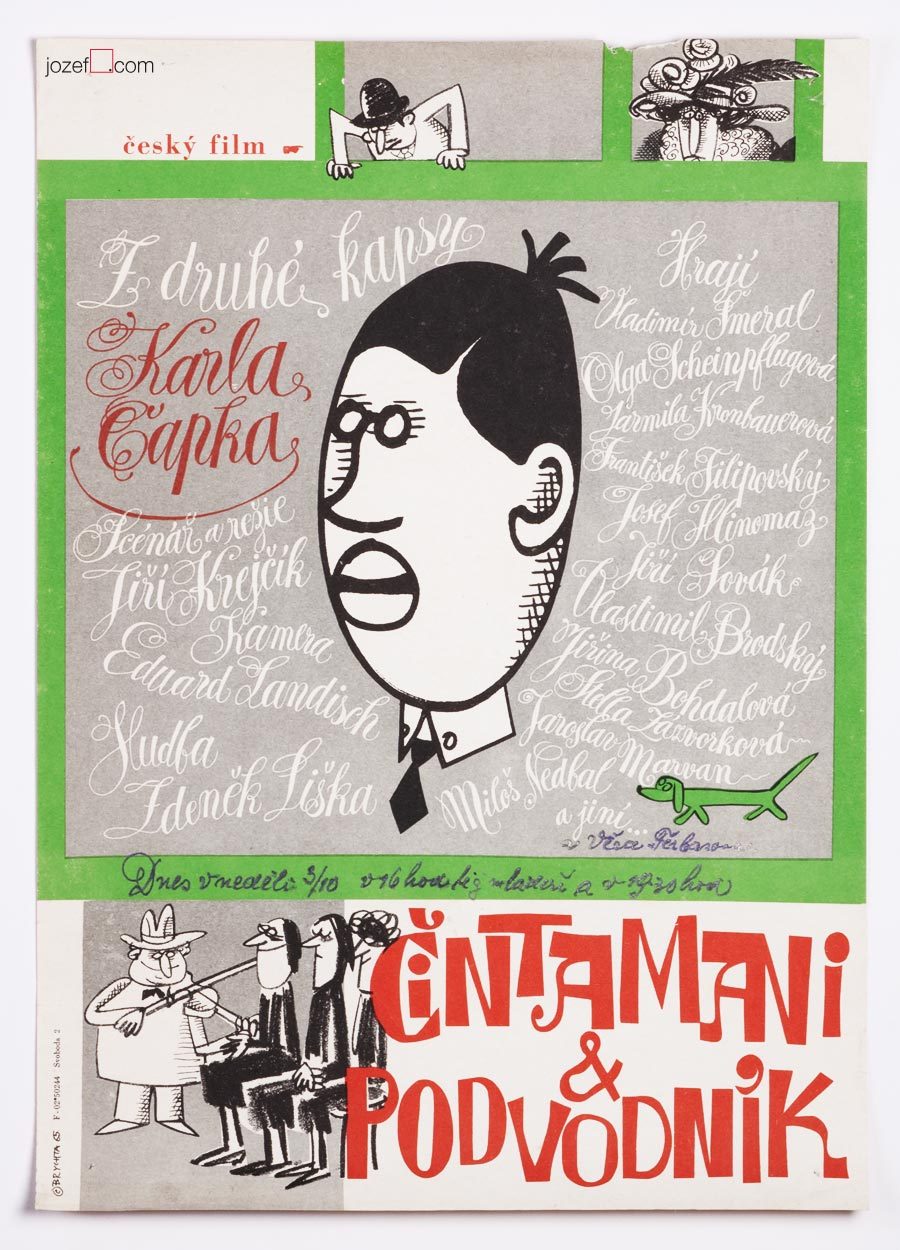
    Karel Čapek, 60s movie poster
    Jan Brychta’s poster design for movie adaptation of Karel Čapek’s novel, 1964.

       ***

    • 11th of May 1928, Mladá Boleslav, Czech Republic
    • 14th of November 2013, London (?), United Kingdom
    • lived in London exile since 1968

    Education:

    • State Graphic School, Prague (Zdeněk Balaš, Josef Vodrážka)
    • 1945 – 19.., Academy of Arts, Architecture and Design in Prague (Josef Kaplický, Antonín Pelc)

    Exhibitions:

    • from late 1950s until 1968 mostly Prague exhibitions
    • Surrealism Unlimited 1968 – 1978, Camden Arts Centre, London 1978

    Awards for Film Animation:

    • The main prize in the category of animated films, Oberhausen 1966
    • The prize of the union of cinema owners, Oberhausen 1966
    • Grand Prix “Bronze Caesar”, Tours 1966

    ***

    In 1968 Jan Brychta vanished off the face of the earth and that is the fact. Russian occupation of Czechoslovakia in 1968 brought in many immediate changes within the state. Political trials were about to return back to fashion and not everyone was waiting for the resume. Or at least Jan Brychta did not.

    It would be hard to say what made such a successful artist leave his homeland, as Jan Brychta’s art was everywhere and available to everyone in all possible forms. From beautifully illustrated books, film animations to caricatures in daily newspaper and television graphics / adverts. Simply put 1960s daily life was somehow incomplete without Jan Brychta.

    ***

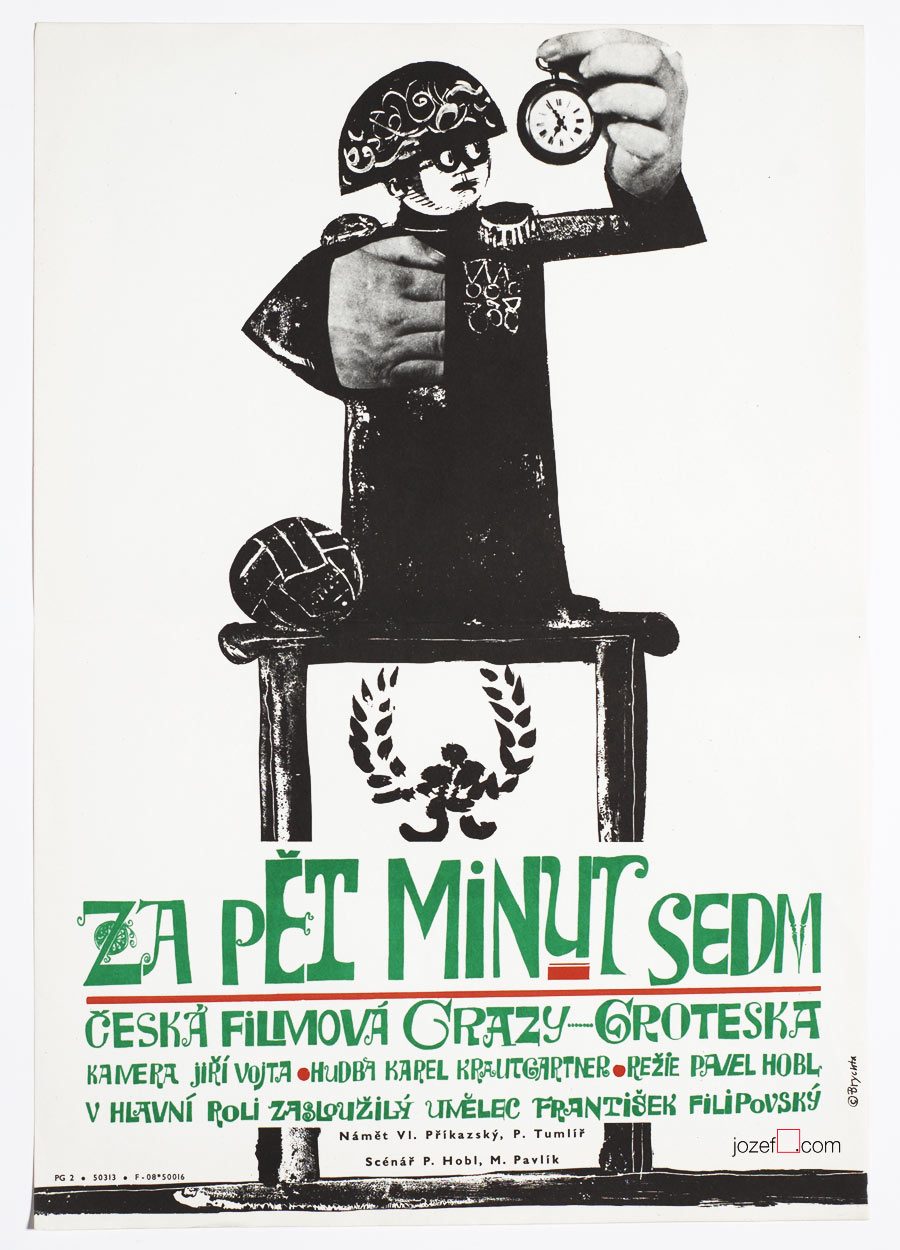
    Excellent minimal poster art
    Five Minutes to Seven movie poster by Jan Brychta, 1965.

    ***

    It is fascinating to watch how with short step in time and history someone so publicly pleasing can become persona non grata. Researching many years later it really looks that party members did a great job. There was no Jan Brychta after 1968 in Czechoslovakia and same for his wife Lída Brychtová (artist and book illustrator) as they managed to escape the country together with their children Edita and Aleš.

    Through out his Czechoslovak career as a daily caricaturist, film animator and pioneer of television graphics Jan Brychta was never far away from the movie poster. His rapid illustration and excellent story telling could be easily applied to the discipline. As a surreal artist and two dimensional painter use of a collage and illustration was a natural choice. His portfolio ends with his disappearance in late 1960s. Jan Brychta’s posters are absolute pleasure to look at and it is real pity it does not contain more than ten movie posters. The master of many techniques with only one common goal which was to keep everyone amused.

    ***

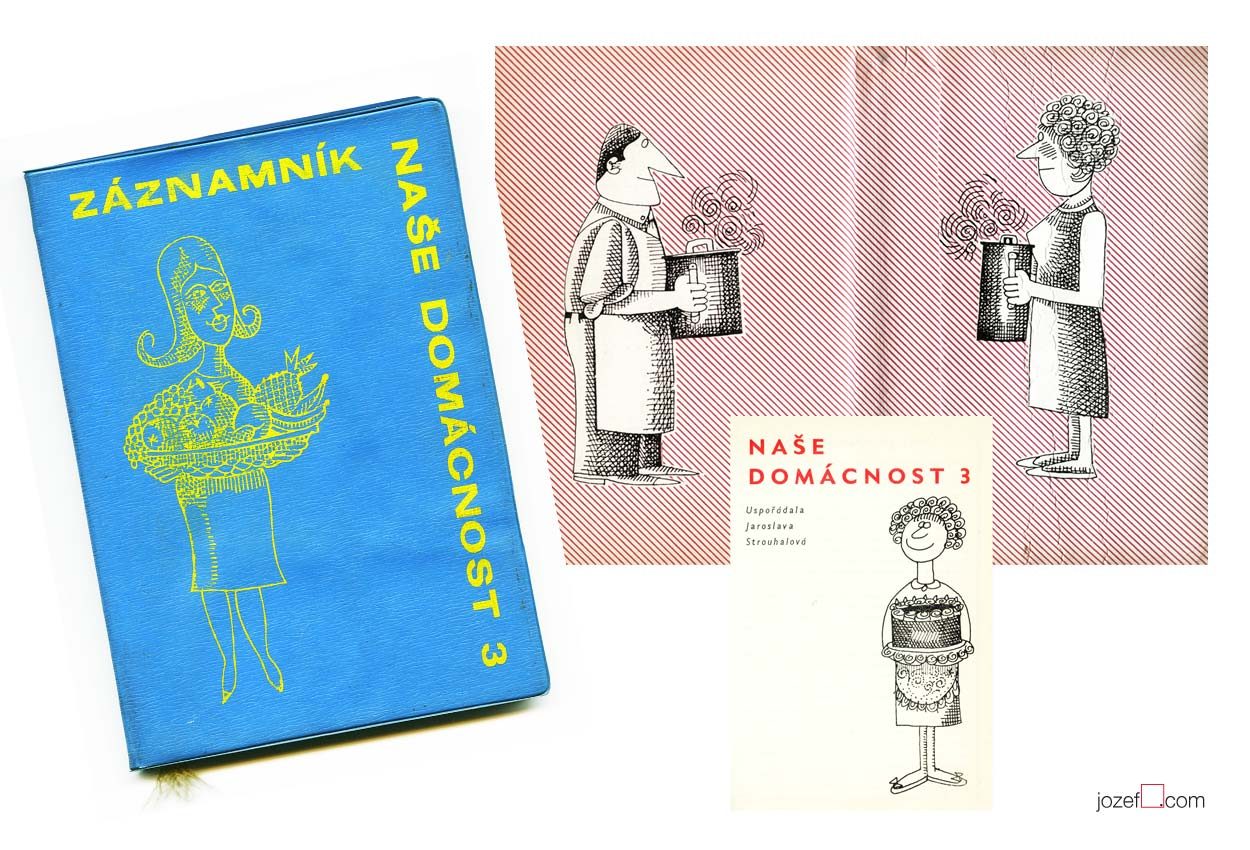
    Our Household, Family Guide Book, Illustration Jan Brychta
    Our Household, third volume of the annual guide for modern family illustrated by Jan Brychta, 1963.

    ***

    British audience could recognise Jan Brychta’s illustration thanks to BBC children’s television series Jackanory.

    ***

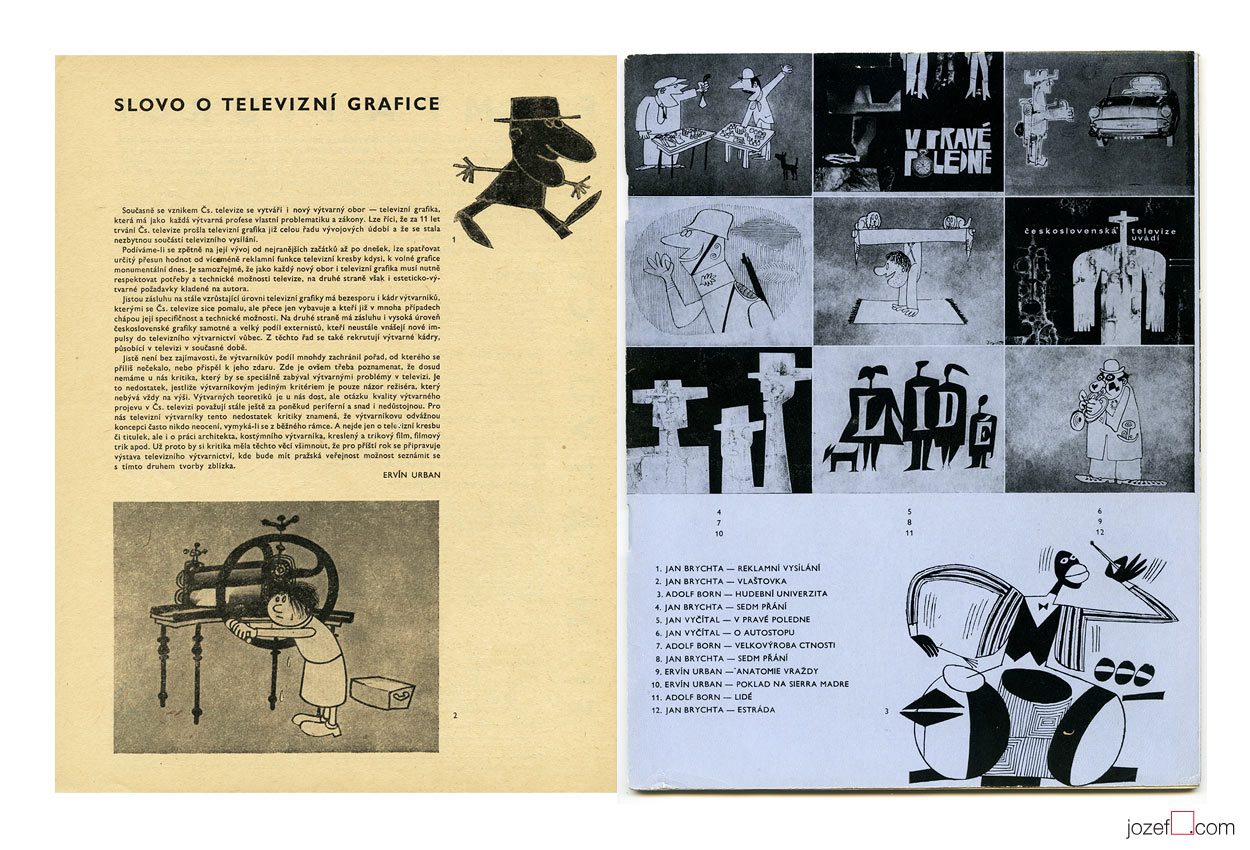
    Jan Brychta, TV Graphics, 1960s Design
    Television graphics by Jan Brychta, Adolf Born and other pioneers of 1960s TV visuals.

    ***

    Note: this showcase is part of our ongoing article Film posters / Made in Czechoslovakia. The story of film posters.

    Available film posters by Jan Brychta.

    ***

    Resources:

    Literature:

    • plenty with zero results

    Online:

    • abArt / Jan Brychta
    • Krátky Film, Praha / Short Film, Prague. Archive of Jan Brychta’s 1960s animated films.

    Images used:

    • Collective authors: Záznamník – Naše Domácnost 3 / Family Guide Jotter – Our Household Vol.3. Obchodní Tiskárny, Praha, 1963. Cover and inner pages of the book.
    • Film a Doba 1 / Film and Times 1 / Bratislava City Gallery, 1965. Magazine spread out.

    Additional research:

    ***

    For shop and blog highlights, please SUBSCRIBE to our newsletter.

Leave a Reply

This site uses Akismet to reduce spam. Learn how your comment data is processed.