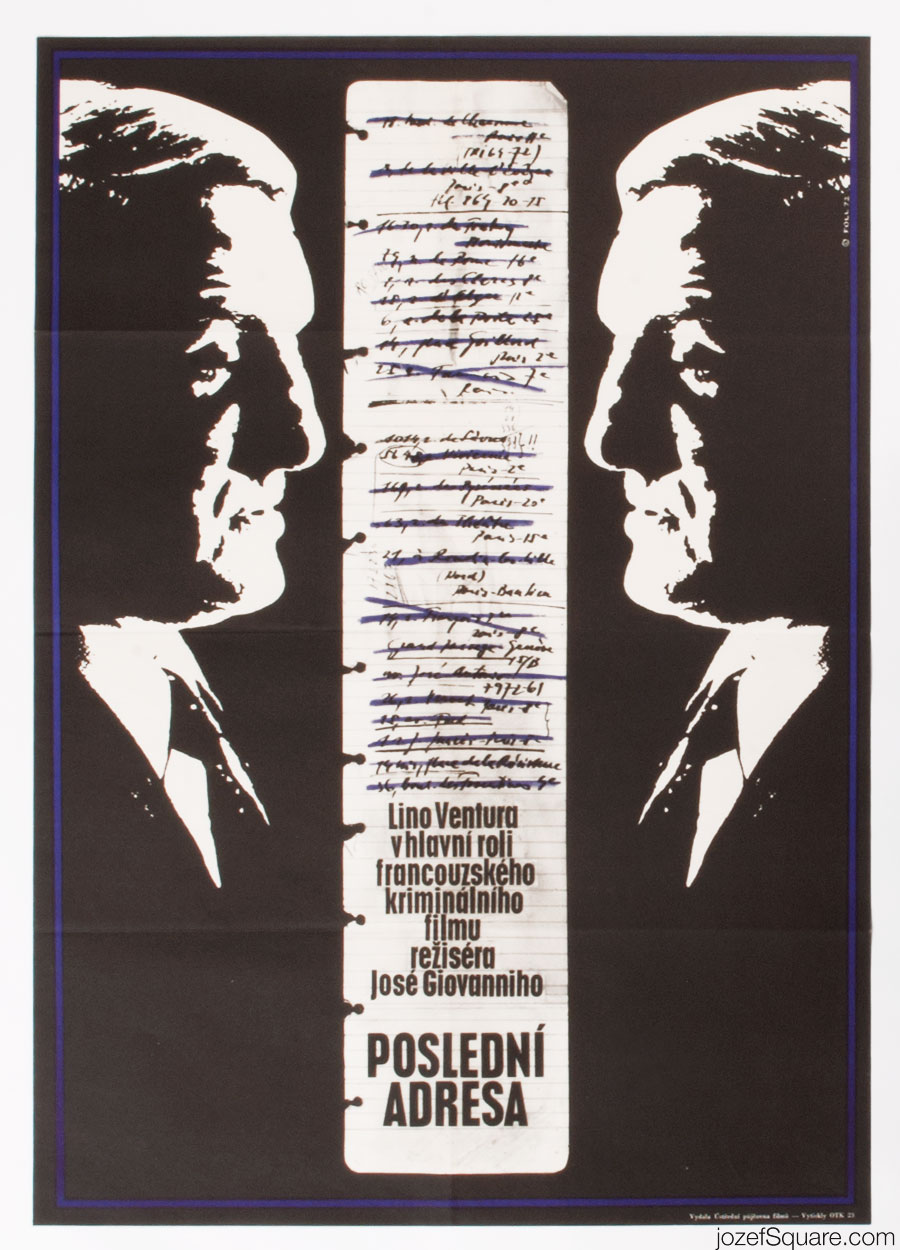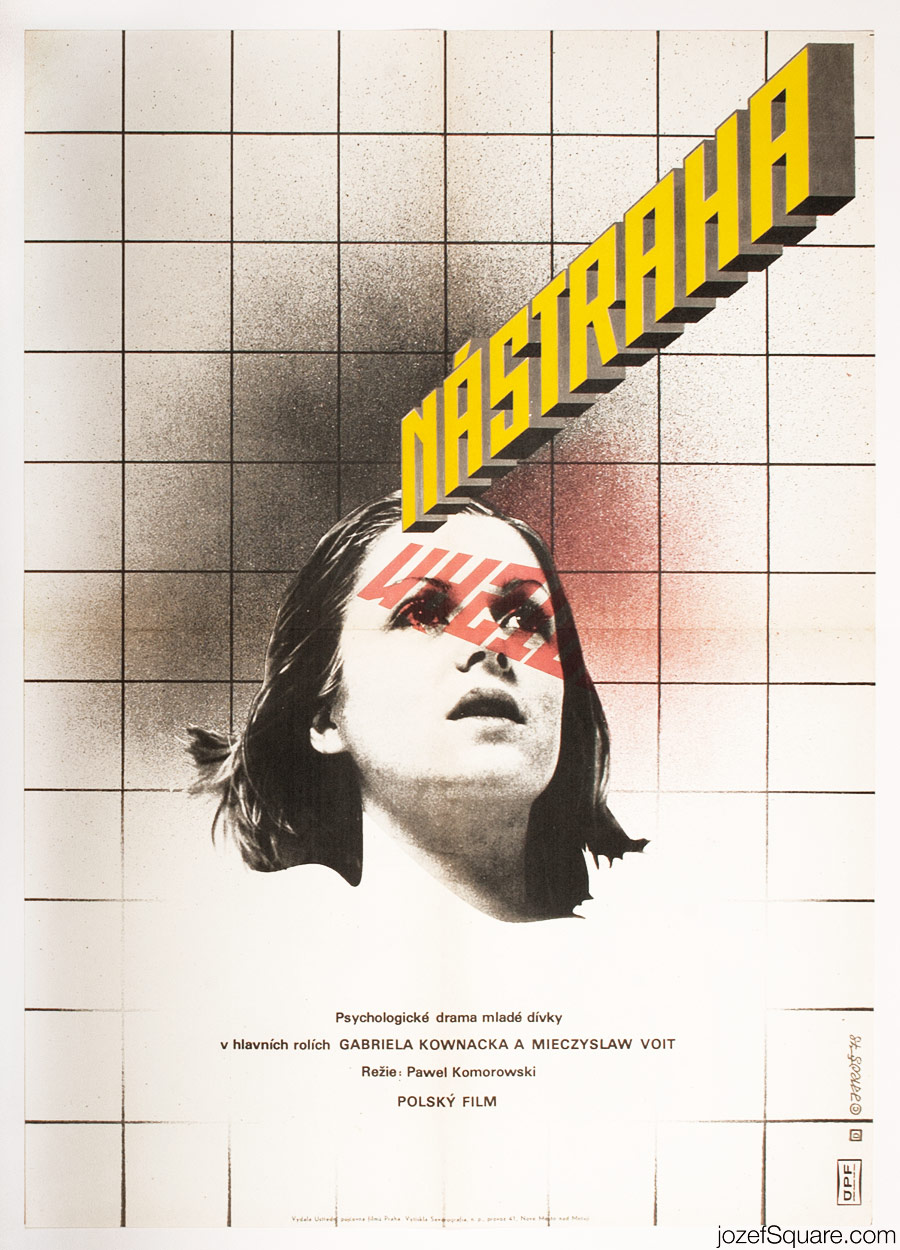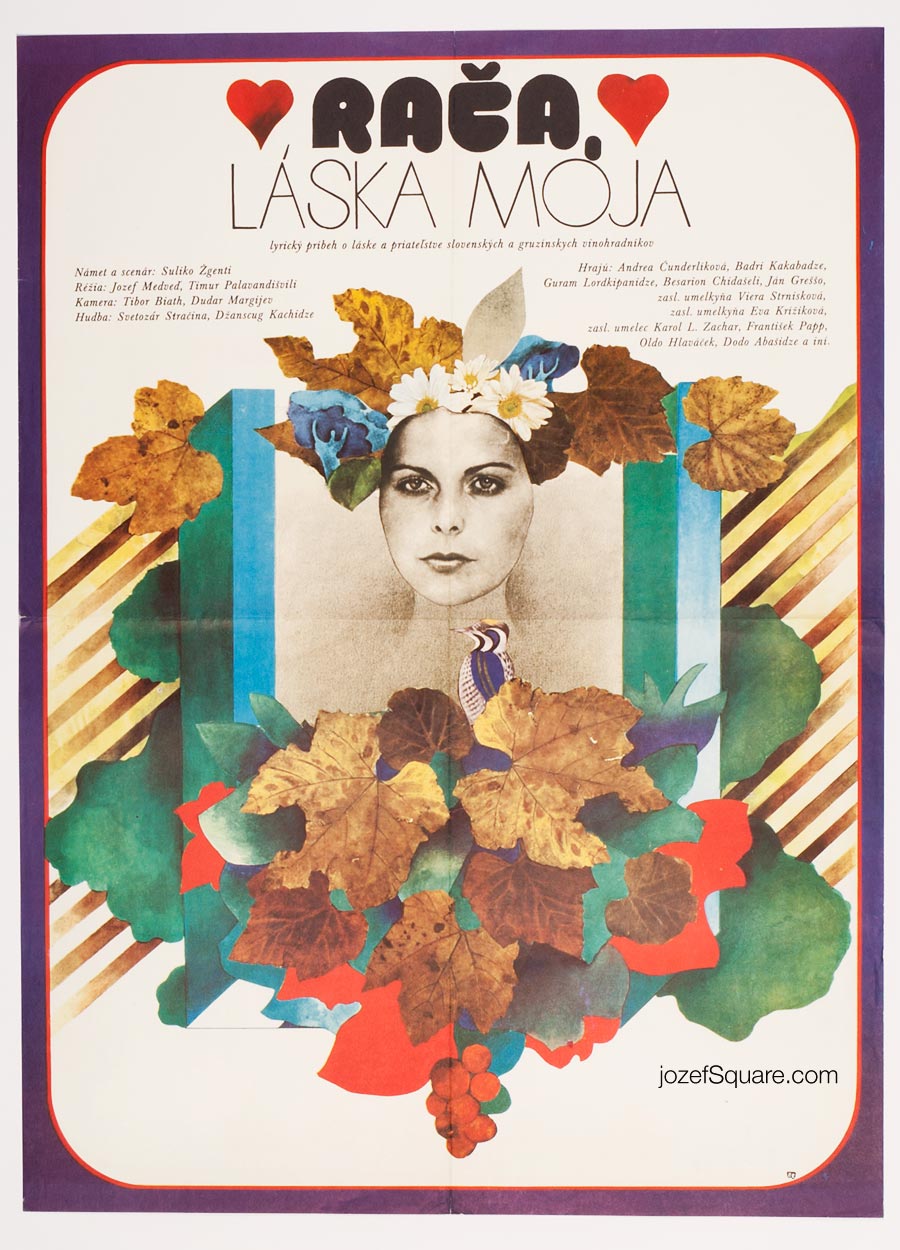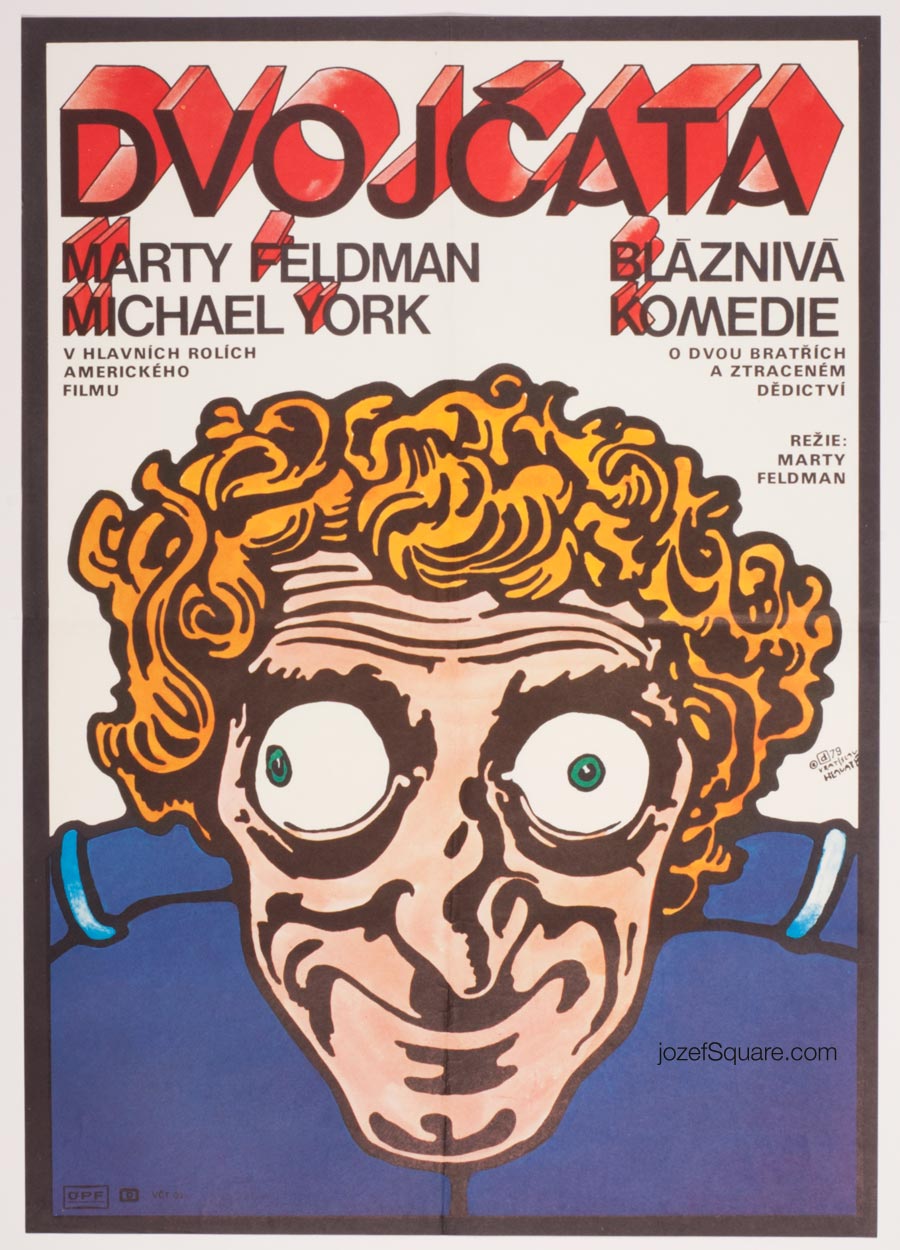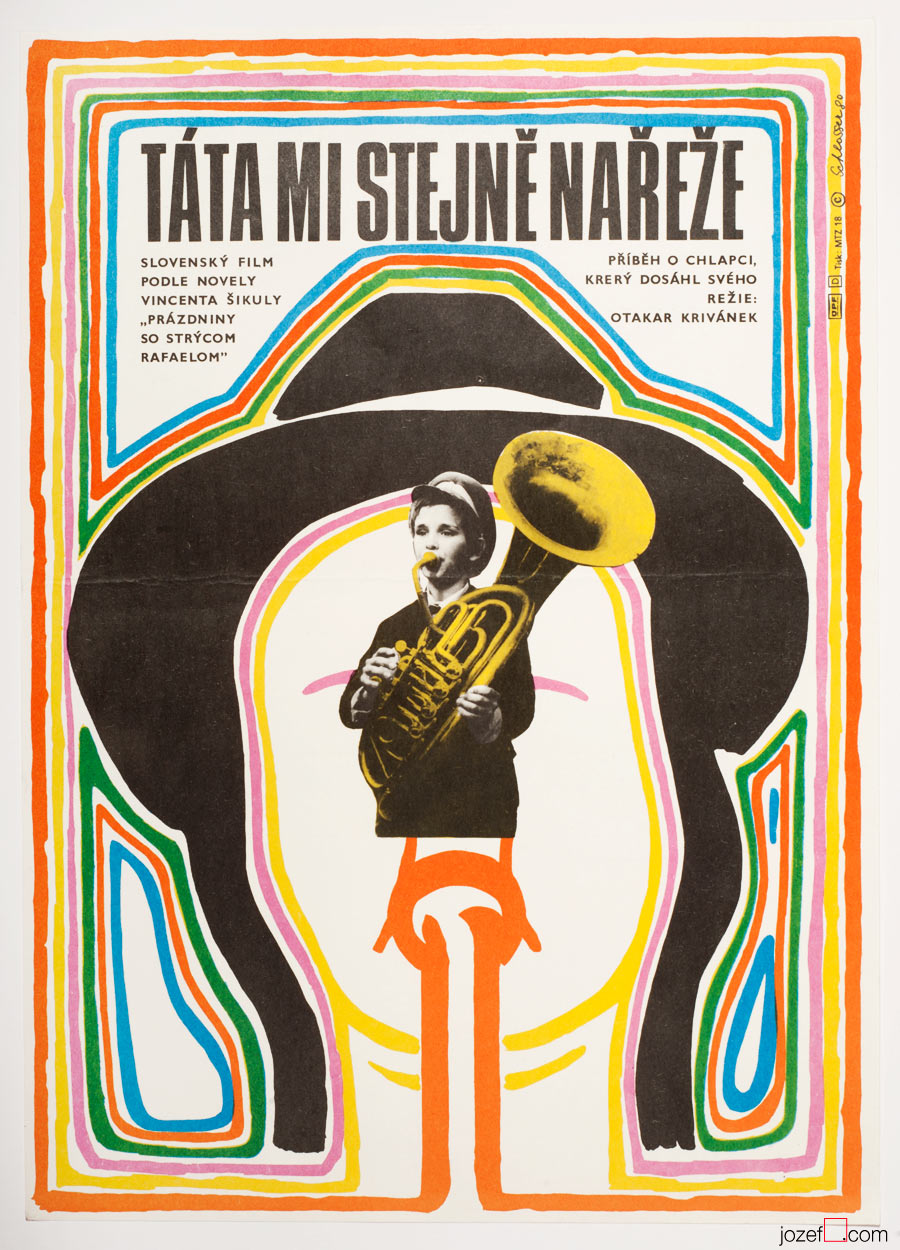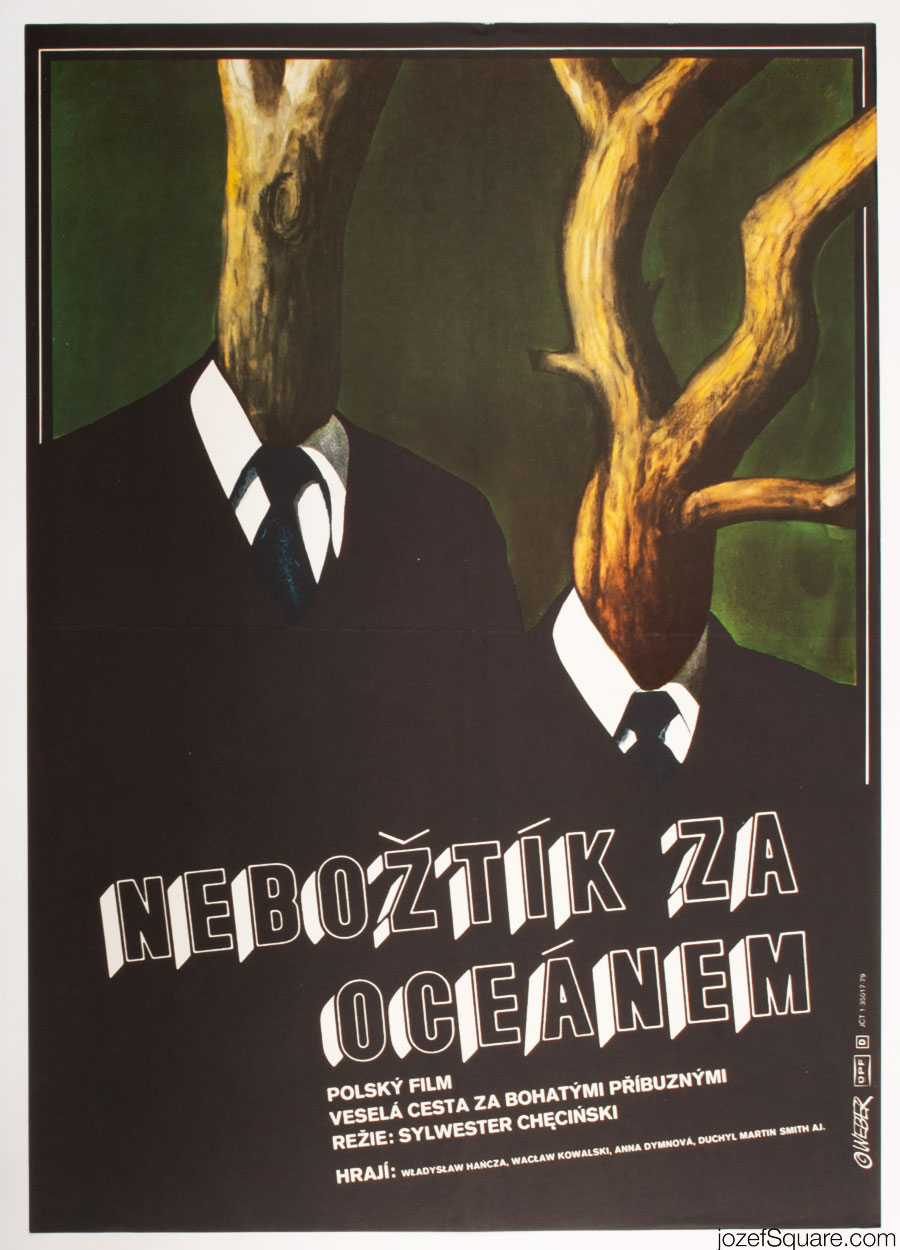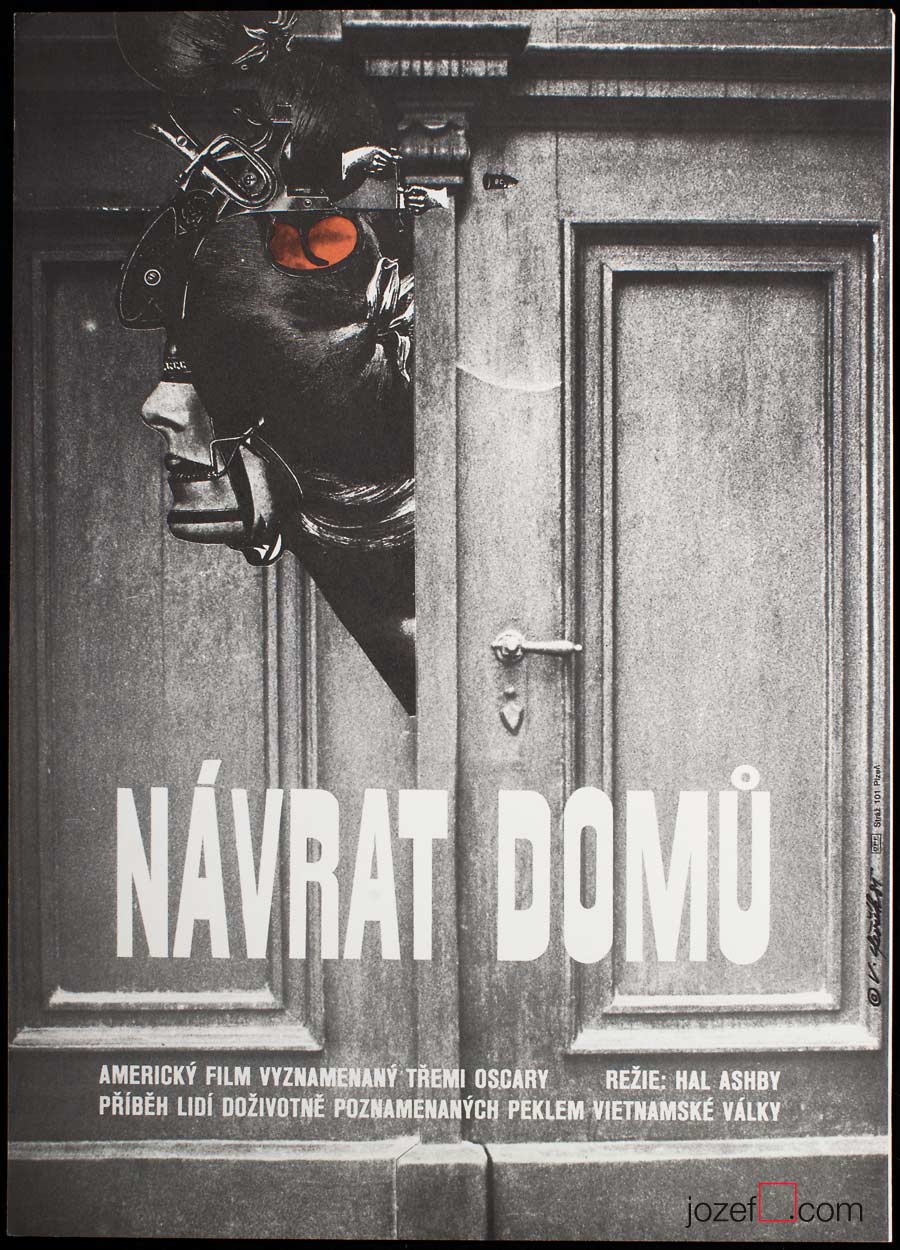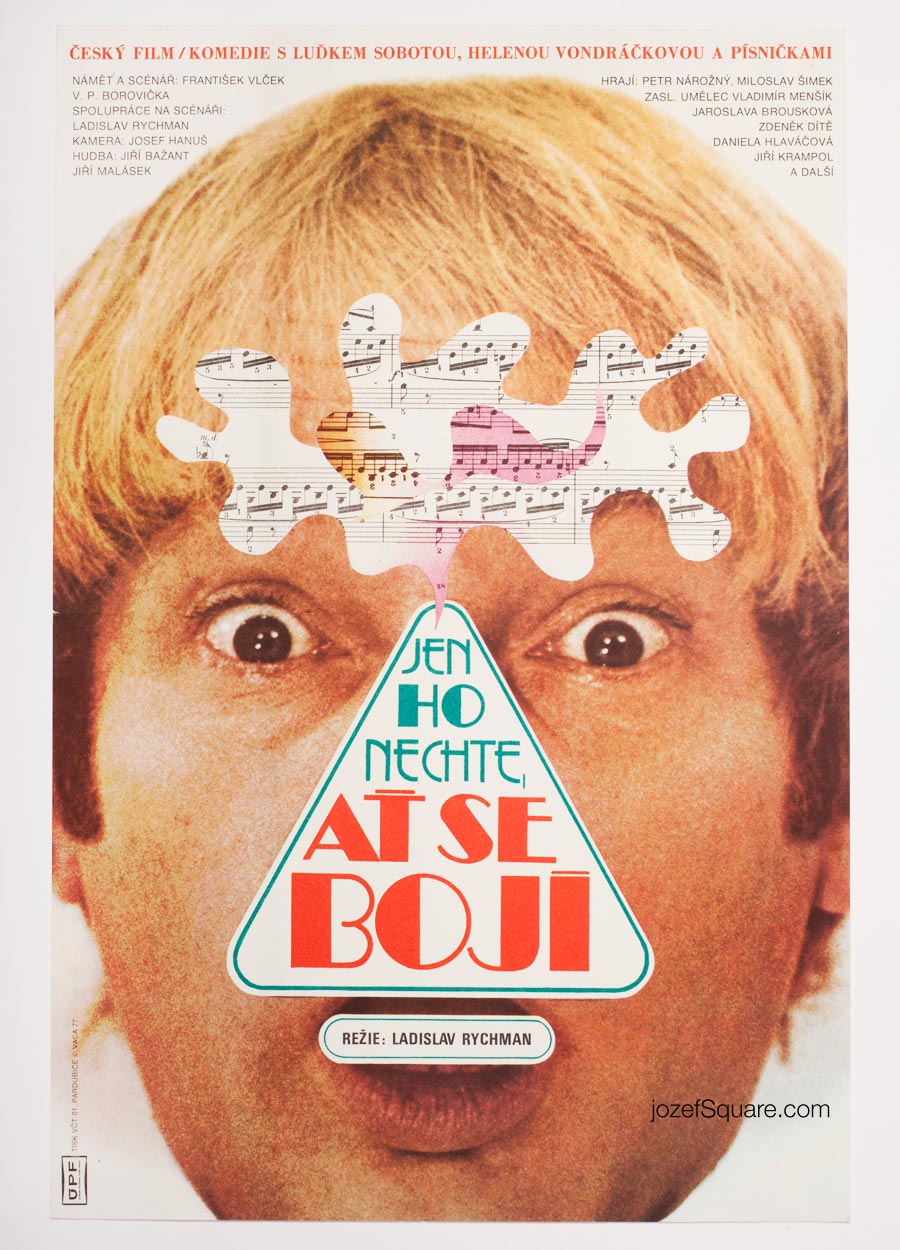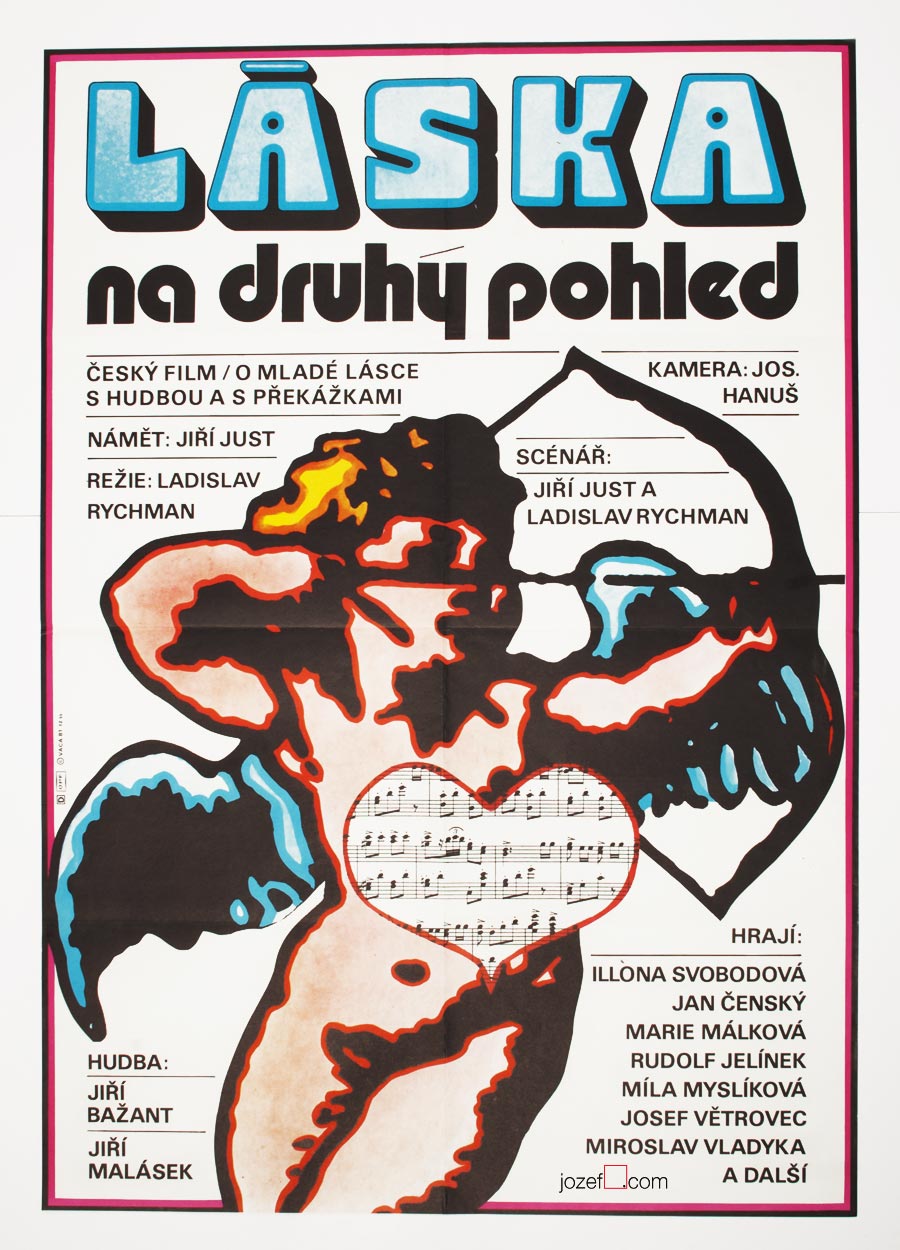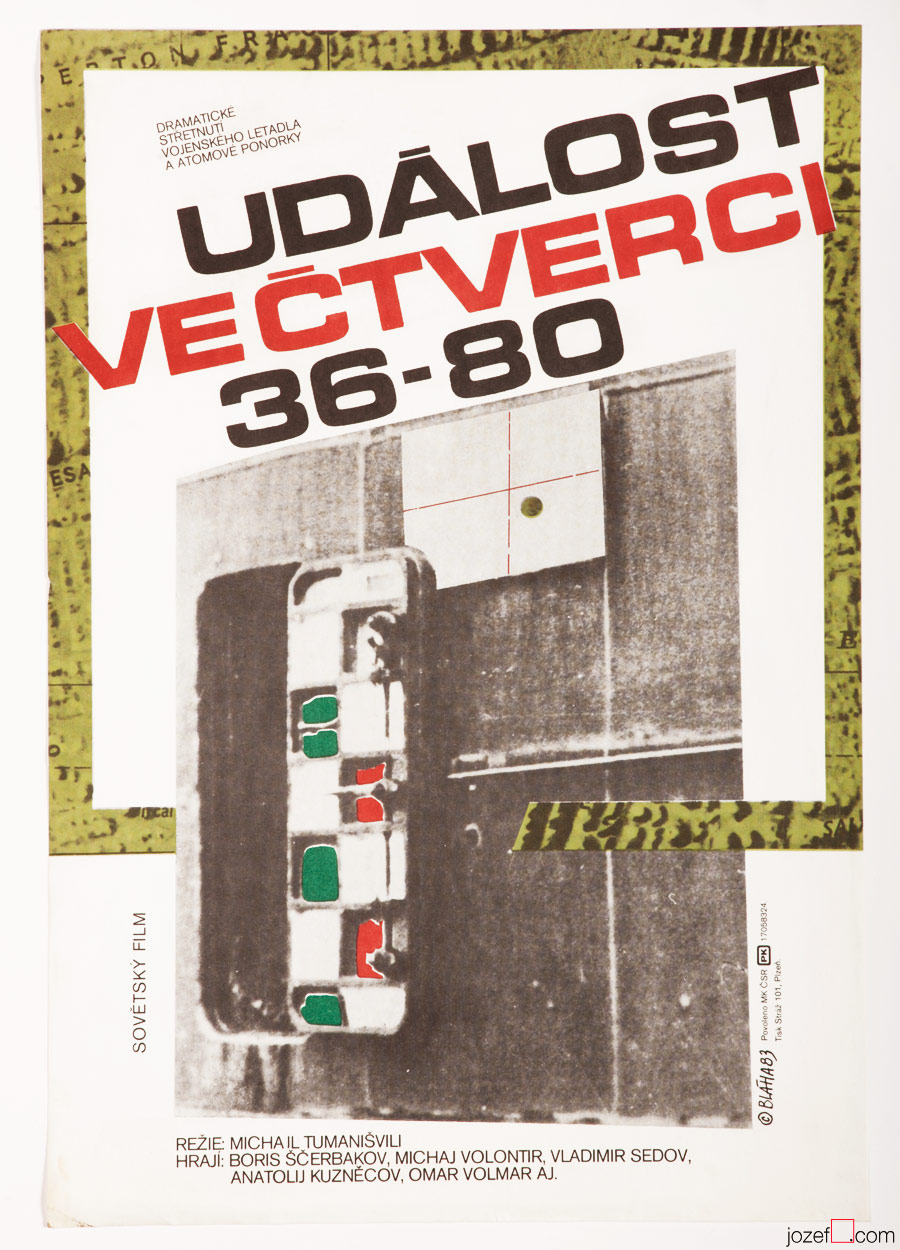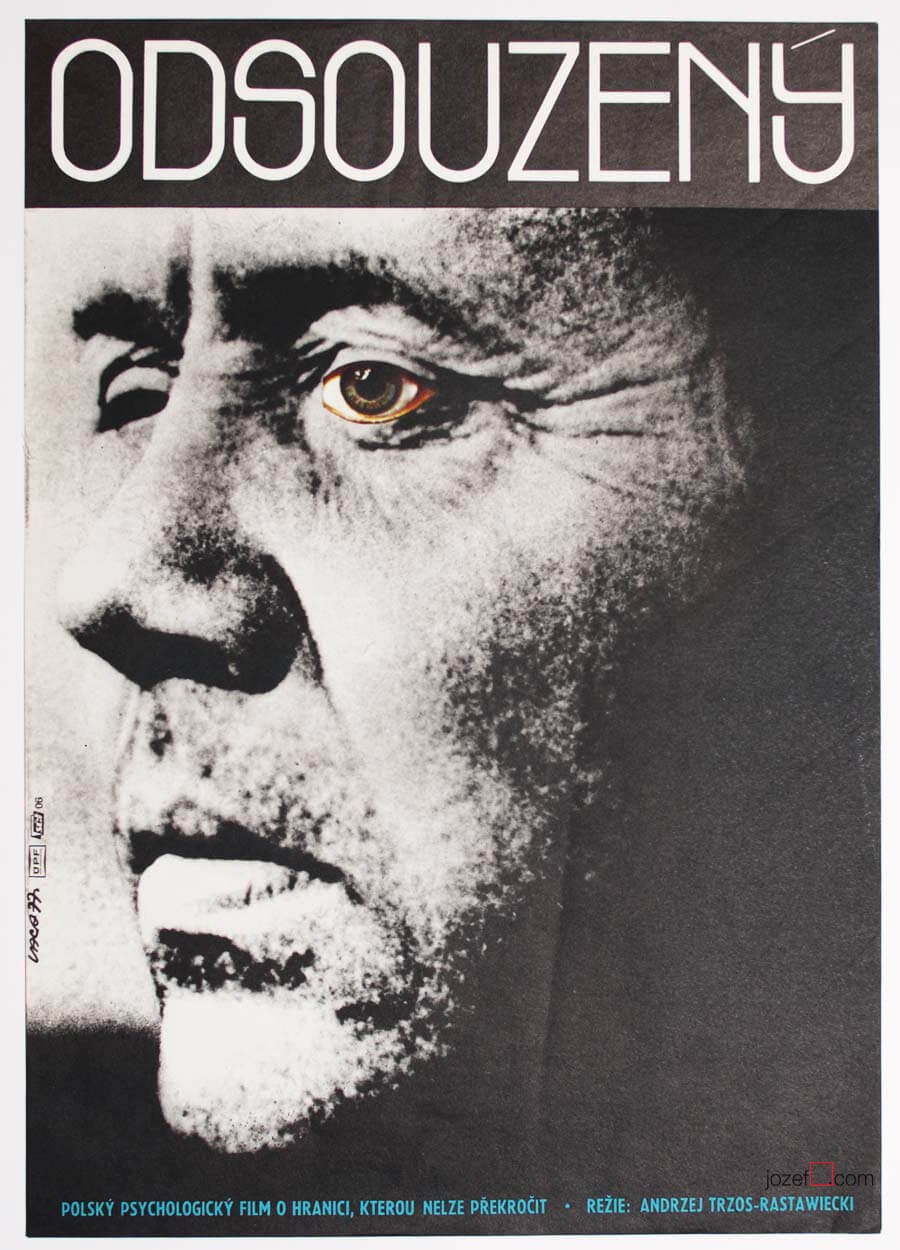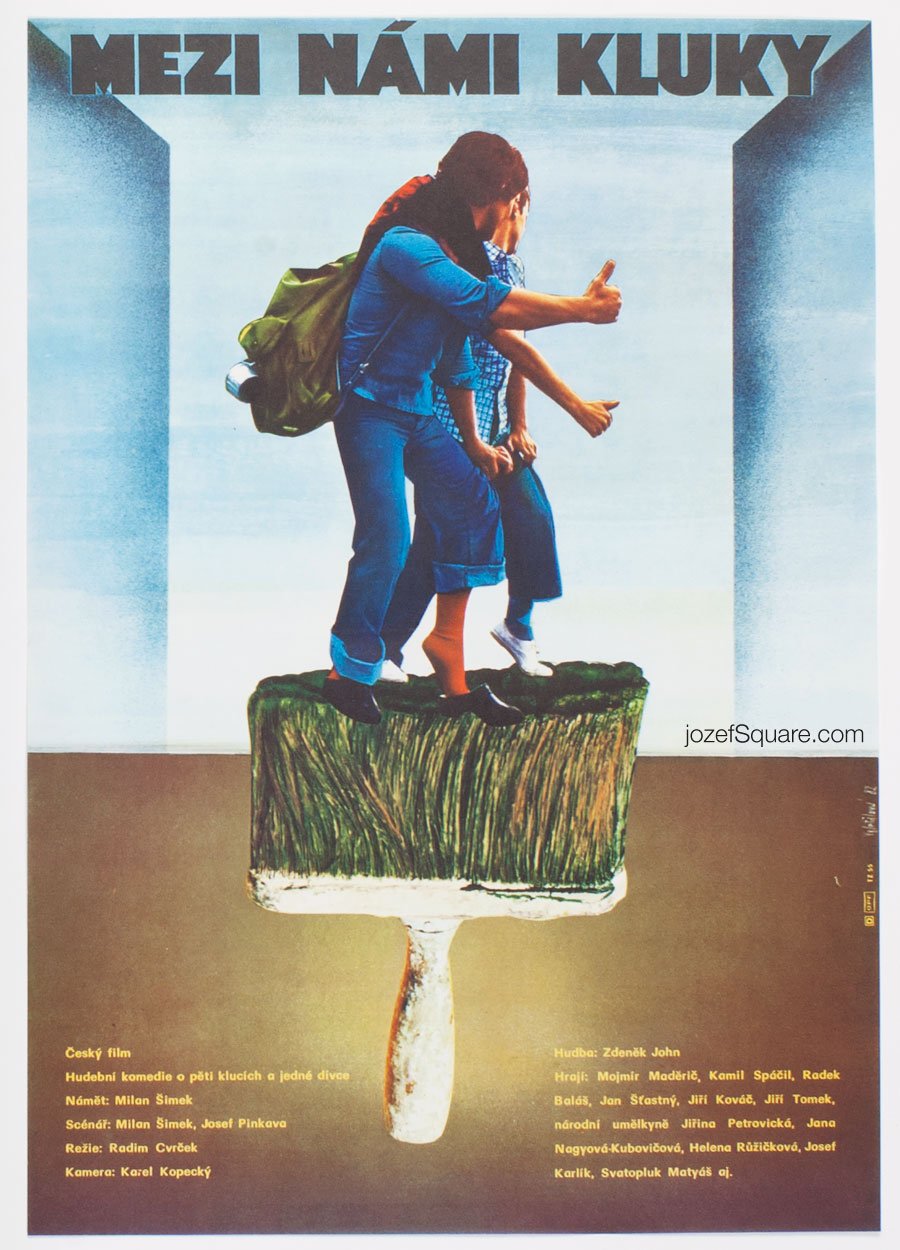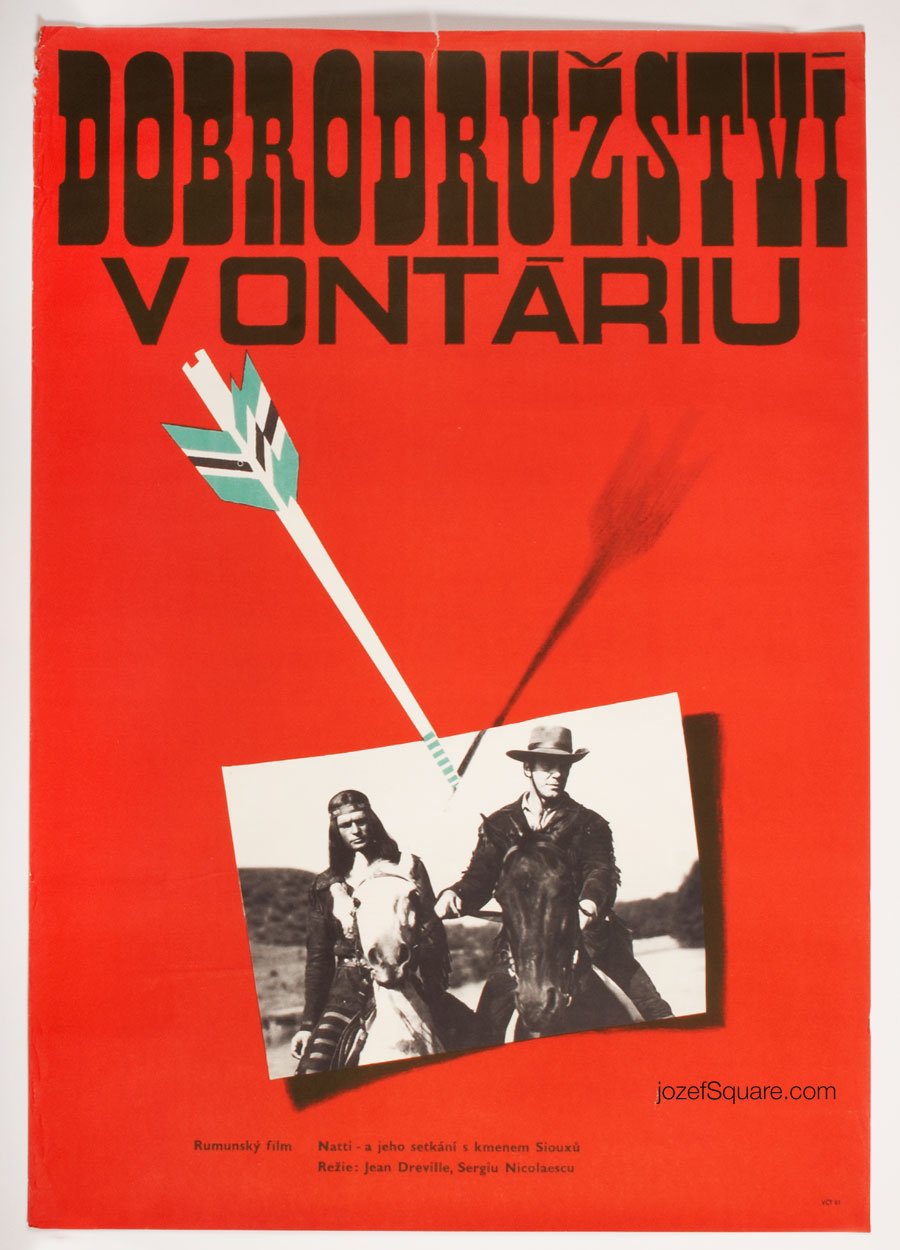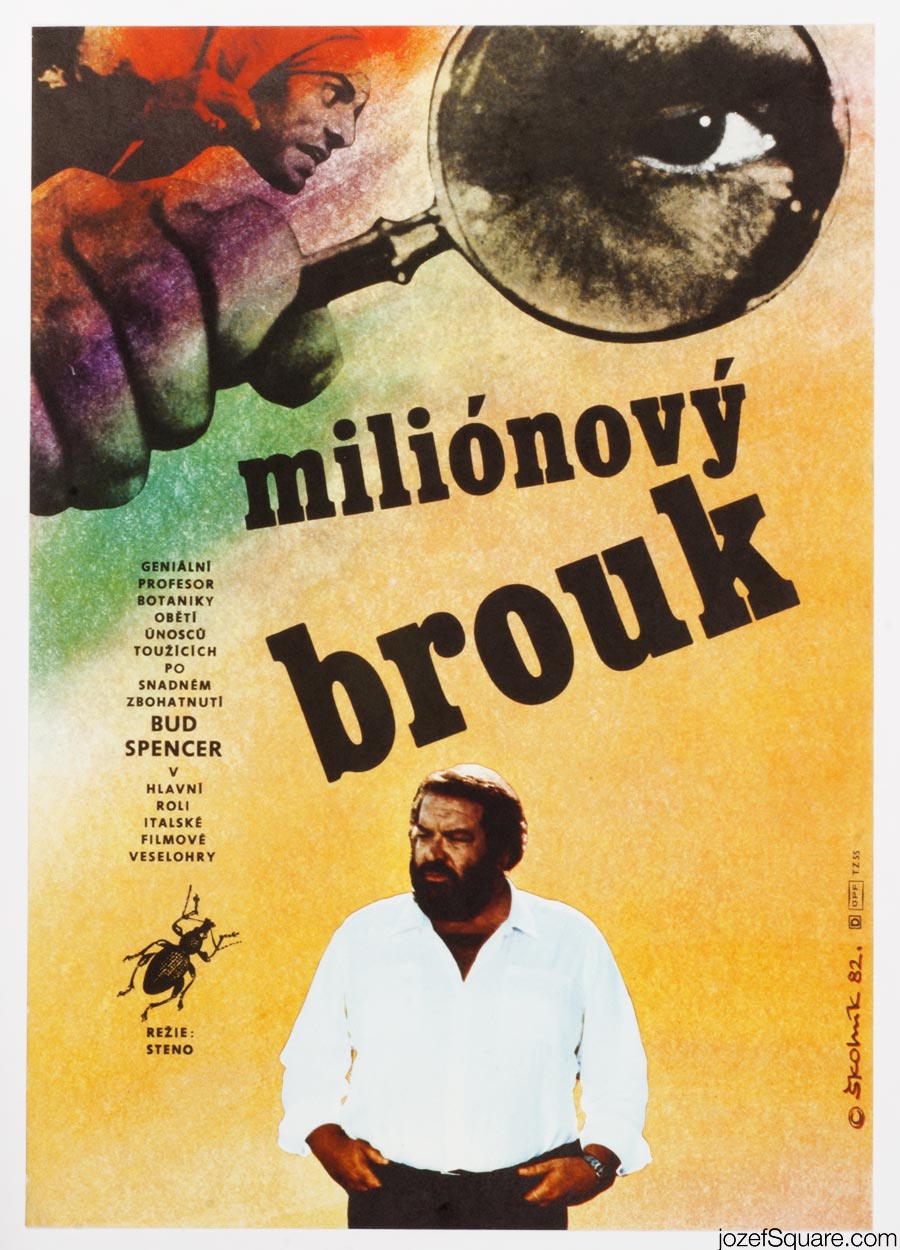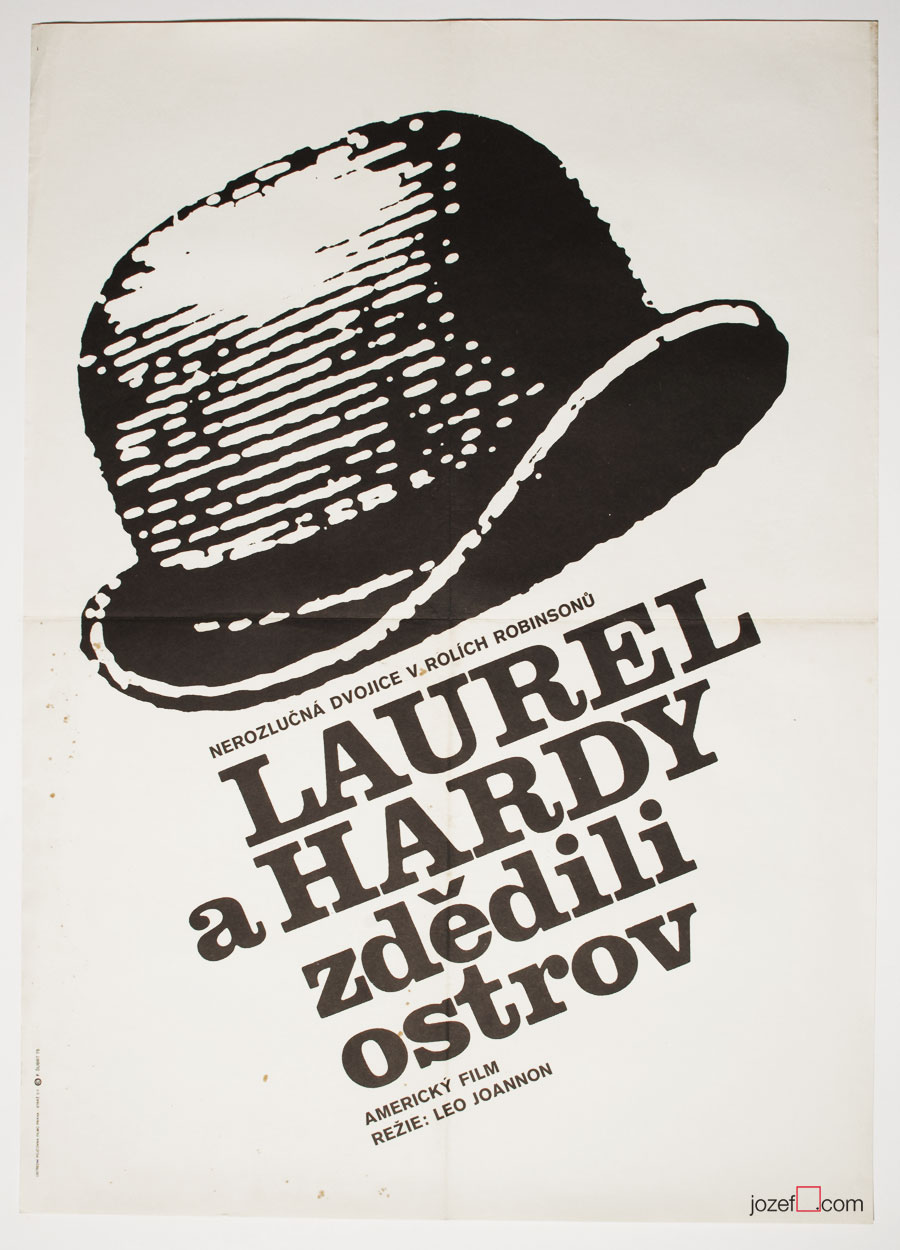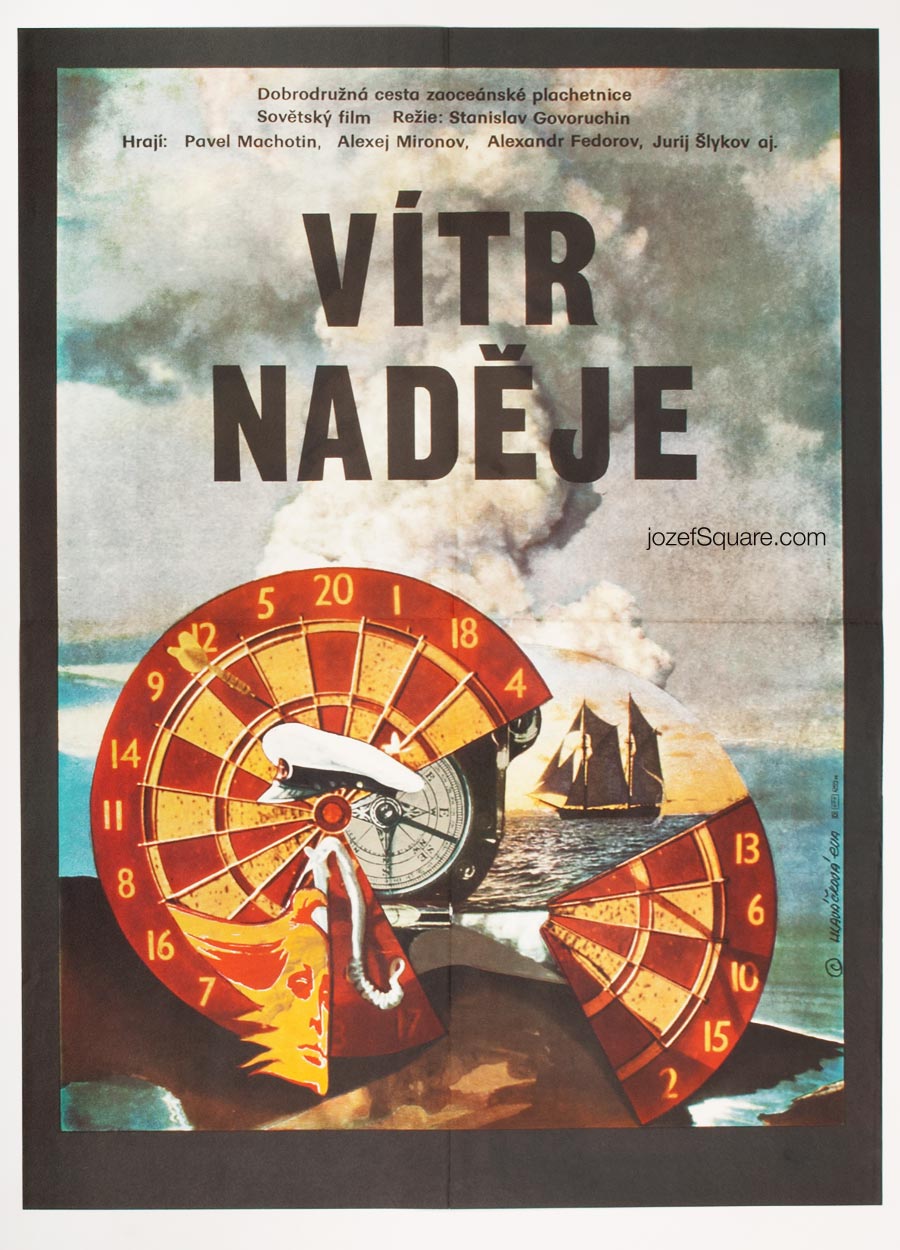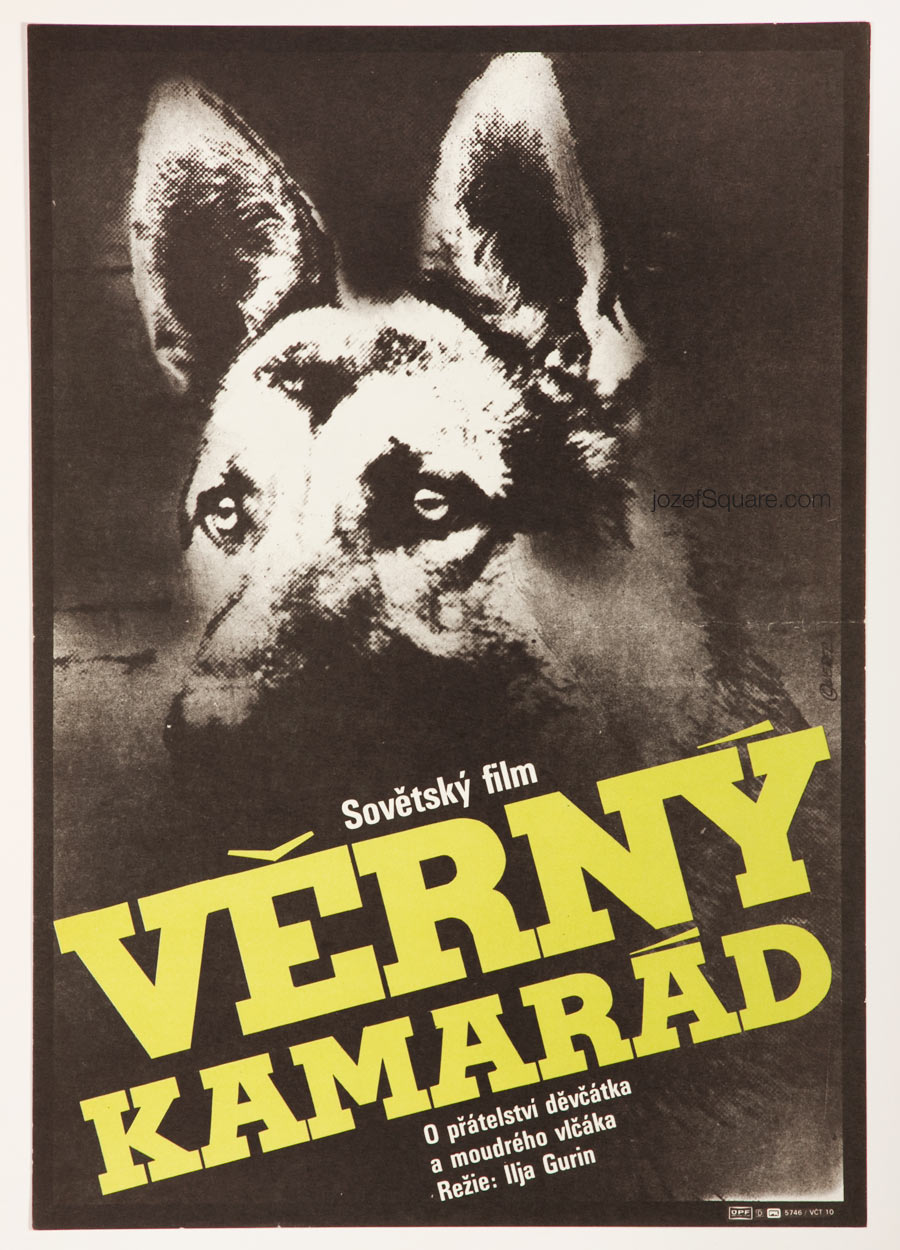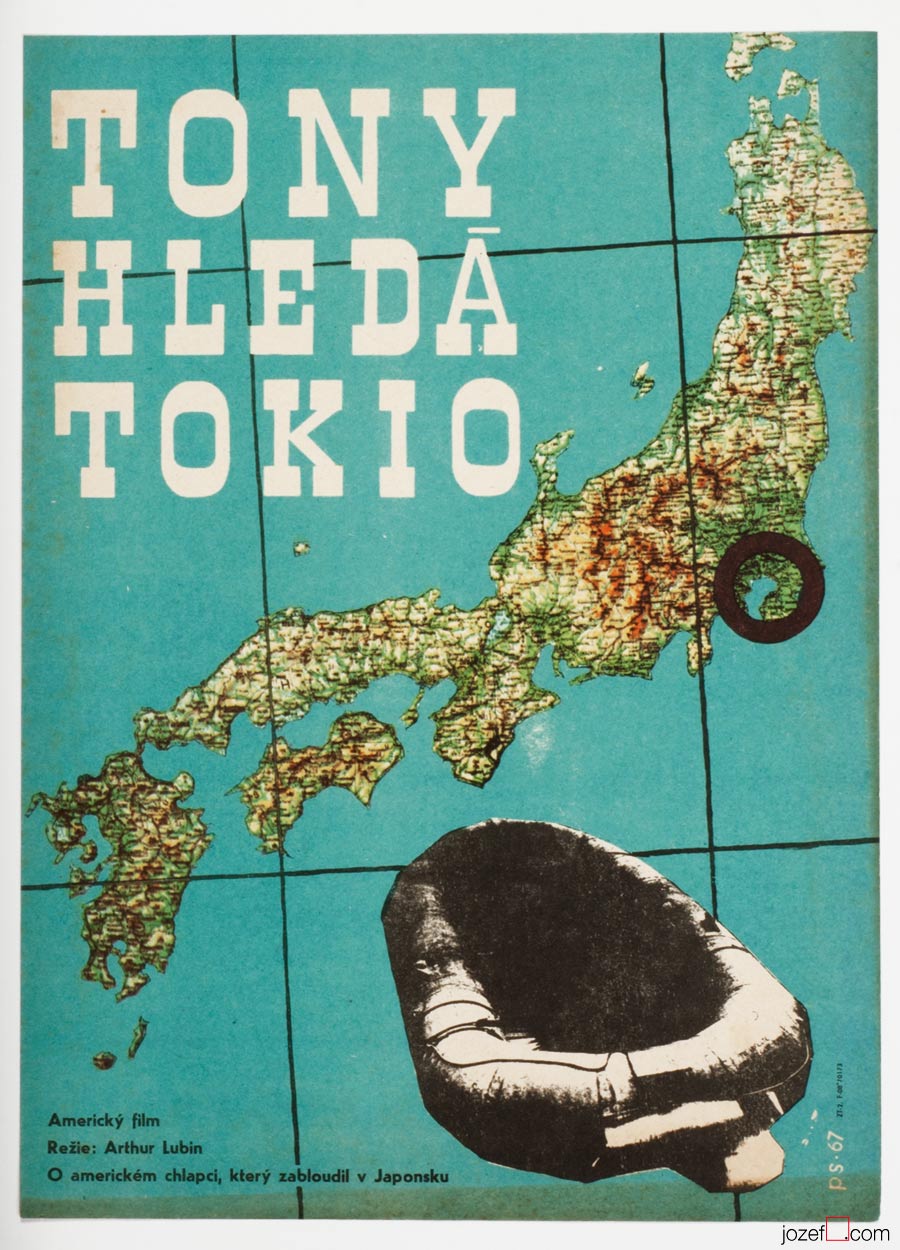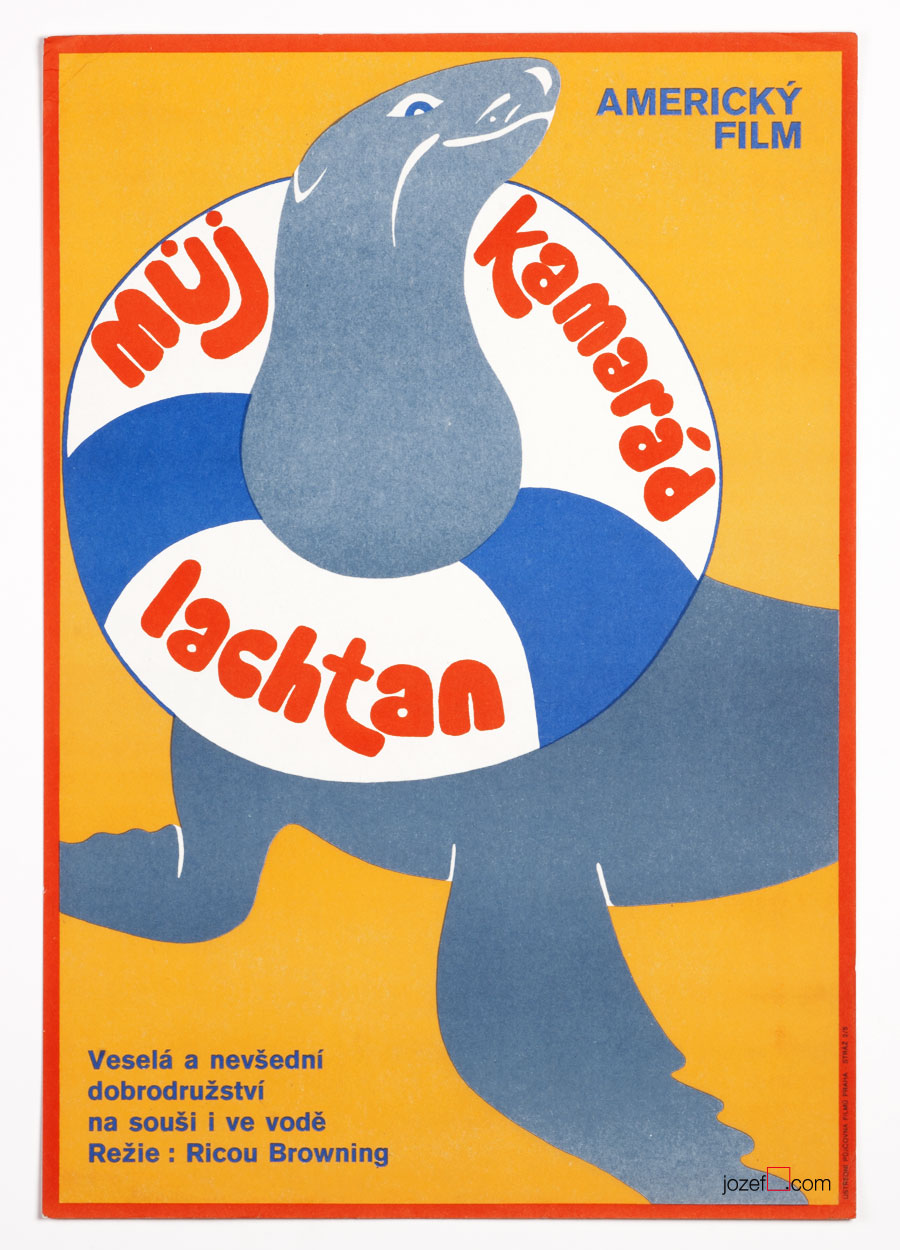
We have prepared another Poster Sale to make our film poster collection accessible to anyone as passionate about the art from Czechoslovakia as we are. Please take advantage of our Poster Sales to get your hands on some of the best designs in the history of poster art. Enter the coupon –
poster art
– into a coupon field when checking out. Sale will run until 7.11.2015. Enjoy!
You can also tell your friends by sharing this link (bellow).
Note: Free shipping on multiple orders. Secure checkout.
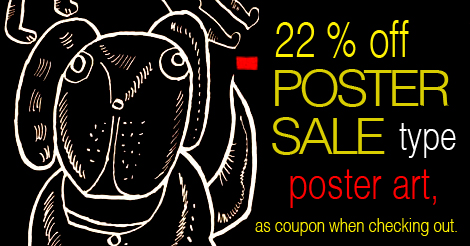
Poster Sales. 22% off your basket. Type – poster art – in coupon field when checking out.
we’ve been beautifully touched when we’ve received your fantastic snapshots. Movie posters look fabulous, to add, black fits perfectly to both. Josef Vyleťal‘s Amarcord looks absolutely impressive, one can study any of his movie posters by millimetres. Only very recently we have learned that he was also designing movie sets for such a great directors as Juraj Jakubisko or Juraj Herz, his abilities were endless. Must say thanks to Communist regime and their ridiculous, believe if they would not be around, mr. Vyleťal is happily painting his surreal paintings and we would not be able to explore those beauties he created, well, who knows.
Different story to movie poster designing of Slovak fine artist Peter Kľúčik. His portfolio unlike that of Josef Vyleťal’s with over hundred posters (1964 – 1979) consists of only 5 illustrated movie posters (late 80’s). His main focus was lying on book illustration (many wonderful children books) and ex-libris that are full of surreal, unpredictable, sometimes even bizarre humour. There is great archive of Peter Kľúčik’s artwork in online archive of National Slovak Gallery.
Thank you for taking such lovely care of them !!
Amarcord / Surreal poster artwork by Josef Vyleťal, 1974.
Magical poster illustration by Peter Kľúčik, 1987.
The Cremator movie poster by Antonín Dimitrov, 1968.
***
b. 27th February 1928, Mšecké Žehrovice/Rakovník, Czech Republic
d. 27th December 2014, Bobcaygeon, Canada
lived in Canadian exile from 1968
Education:
1945 – 1953, Academy of Arts, Architecture and Design in Prague (Antonín Strnadel)
Exhibitions:
until 1968 mostly Prague exhibitions
Toronto, Royal Canadian Academy of Arts (member), Canada, 1991
London / United Kingdom
***
In few of our recent articles we have discussed absurdity and inappropriate behaviour of Communist leaders. Terrifying act of those in power and their constant fight towards fictional enemy was very systematical. In country as small as Czechoslovakia it was not impossible to succeed.
***
Four in a Circle movie poster by Antonín Dimitrov, 1967.
***
Similarly to Jan Brychta, Antonín Dimitrov’s profile was simply deleted. Second successful attempt of leaving the country in 1968 took Antonín Dimitrov with his wife Olga to Canada. His first try when he and his soul mate swam across the river Danube to neighbouring Austria, just to get caught and handed in to Russian soldiers, cost him several years in prison and forced labor.
Before their disappearance, Antonín Dimitrov and his wife worked professionally as a set and costume designers in various theatres across the country. Antonín’s rebellious nature has been proved several times. Exclusion from the Art Academy for his incorrect political views (note: even the students had to be the members of Communist party. Same applied to parents, if there was a non member in the family, studying at higher education was impossible. Not talking of grand parents.) and his unsuccessful immigration right after that are only few examples of his misbehaviour.
***
Sign of the Cancer movie poster by Antonín Dimitrov, 1967.
***
His collaboration with Czechoslovak New Wave directors, specially with Juraj Herz must have also spiced the soup up. Juraj Herz’s Cremator was the movie Communist could not swallow, similarly to other two titles in the showcase. In cases when the Communists decided to ban the movie everything would go off the shelf. Film director, author of the script / writer and the same destiny would meet the film poster.
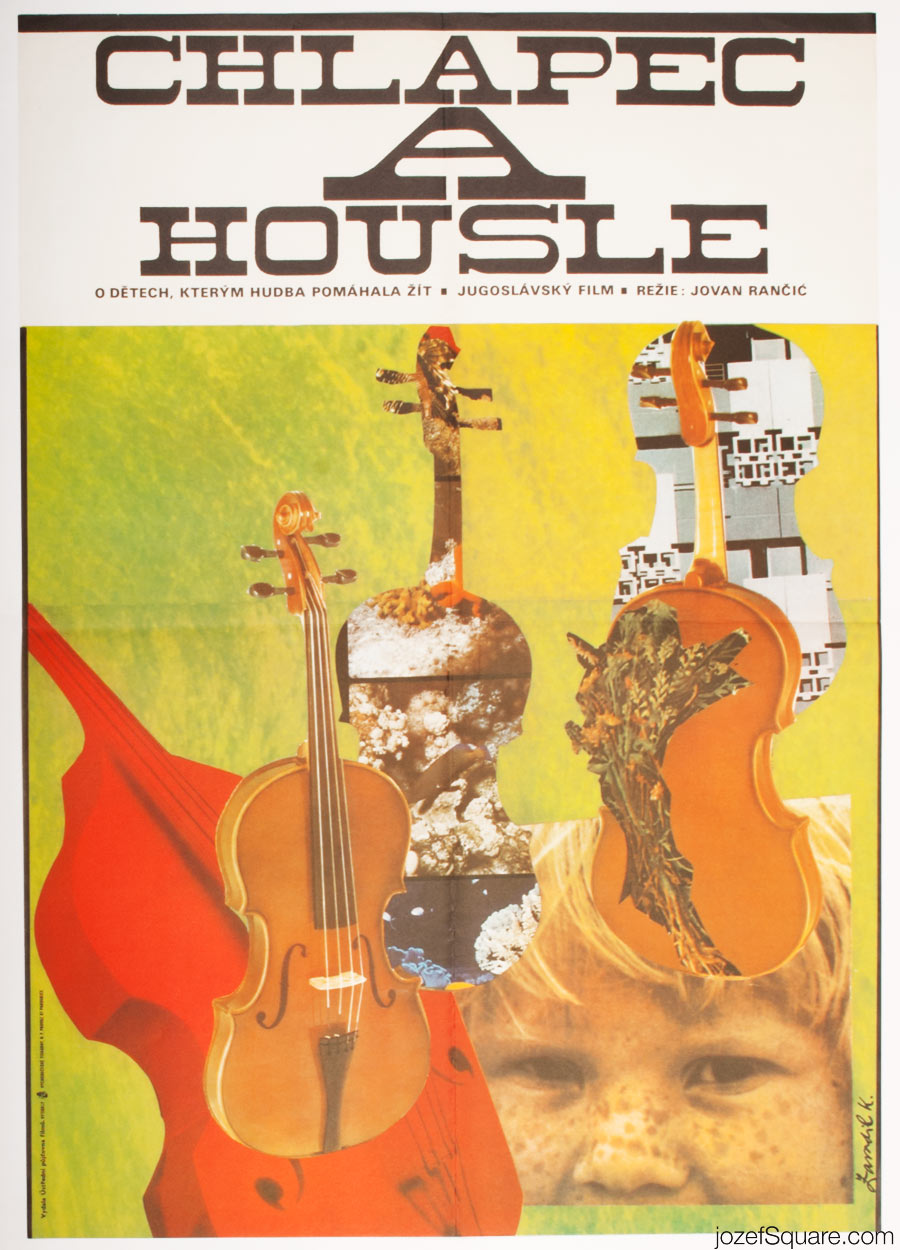
Movie posters of Antonín Dimitrov are reflecting the times utterly. His posters are incredibly attractive, no matter if he touches the scissors or the paint brush. Excellent typographer and master of the blend, his virtues are sensibly hidden mostly in the collage. His posters are missing on one thing, there are only very few of them. He possibly did not design more than ten movie posters.
***
Masters of Congo Jungle movie poster by Antonín Dimitrov, 1967.
***
Even though Antonín Dimitrov luckily led succesful life in the exile. As a set designer he and his wife worked on numerous theatre and opera productions. He was also head of the design programme at the prestigious Indiana University School of Music in Bloomington, Indiana[^1] . But for Czechoslovak film poster his departure was a great loss. Many fascinating artists remained and learn how to overcome the situation, while building one of the most impressive poster archive in design history. It would be truly interesting to see what else could Antonín Dimitrov pull out of that hat.
***
The Limping Devil movie poster by Antonín Dimitrov, 1968.
[^1]: Obituary of Antonin Dimitrov, Hendren Funeral Homes, Norwood and Bobcaygeon, Ontario / it is sad when only biography on artist can be found in his obituary. Beautifully written, one should take a look.
***
For shop and blog highlights, please SUBSCRIBE to our newsletter.
The Death of Tarzan movie poster by Jiří Balcar, 1962.
***
26th of August 1929, Kolín
28th of August 1968, Prague
Education:
1947-1948, Philosophical Faculty of Charles University in Prague
1948-1953, Academy of Arts, Architecture and Design in Prague (prof. F. Tichý, F. Muzika)
Awards:
1960, The most beautiful book of the Year, (Brno ?)
1962, Toulouse-Lautrec Prize, Paris (film poster Moby Dick)
1964, Honorable Mention, First Czechoslovak Showcase of Poster and Promotional Graphic Art, Brno[^1]
Film posters created: 34 (1960-1967)[^2]
***
This Year in September movie poster by Jiří Balcar, 1963.
***
Czech artist Jiří Balcar could easily belong to one of the most fascinating poster designers of the Sixties. It’s hard to judge by the small number of his posters in our collection, but his artwork as we are finding out, spreads all across the globe (short list bellow). Internationally started off at Farleigh Dickinson University in Madison (New Jersey) where he took part in International Invitational Seminar of Art, followed by exhibition in New York in 1964[^3] , Berlin (1965-66) and Wien (1966). Paris exhibition in Musée d’Art Moderne (1969) was held soon after his early death in 1968.
A wide spectrum of his artistic experiments are brought in from the painting and are reflected in his poster designs. Extensive use of letter templates, sometimes broken into separate parts, wise and bright selection of colours (unless Monochromatic, or sensible mix of both), unconventional use of photography and perfect understanding of space. His faceless figures, motif reappearing on several of his paintings, could become alive only on the film poster.
Book Illustration / Caricature / Film Animation / Painting
***
Jan Brychta’s poster design for movie adaptation of Karel Čapek’s novel, 1964.
***
11th of May 1928, Mladá Boleslav, Czech Republic
14th of November 2013, London (?), United Kingdom
lived in London exile since 1968
Education:
State Graphic School, Prague (Zdeněk Balaš, Josef Vodrážka)
1945 – 19.., Academy of Arts, Architecture and Design in Prague (Josef Kaplický, Antonín Pelc)
Exhibitions:
from late 1950s until 1968 mostly Prague exhibitions
Surrealism Unlimited 1968 – 1978, Camden Arts Centre, London 1978
Awards for Film Animation:
The main prize in the category of animated films, Oberhausen 1966
The prize of the union of cinema owners, Oberhausen 1966
Grand Prix “Bronze Caesar”, Tours 1966
***
In 1968 Jan Brychta vanished off the face of the earth and that is the fact. Russian occupation of Czechoslovakia in 1968 brought in many immediate changes within the state. Political trials were about to return back to fashion and not everyone was waiting for the resume. Or at least Jan Brychta did not.
It would be hard to say what made such a successful artist leave his homeland, as Jan Brychta’s art was everywhere and available to everyone in all possible forms. From beautifully illustrated books, film animations to caricatures in daily newspaper and television graphics / adverts. Simply put 1960s daily life was somehow incomplete without Jan Brychta.
***
Five Minutes to Seven movie poster by Jan Brychta, 1965.
***
It is fascinating to watch how with short step in time and history someone so publicly pleasing can become persona non grata. Researching many years later it really looks that party members did a great job. There was no Jan Brychta after 1968 in Czechoslovakia and same for his wife Lída Brychtová (artist and book illustrator) as they managed to escape the country together with their children Edita and Aleš.
Through out his Czechoslovak career as a daily caricaturist, film animator and pioneer of television graphics Jan Brychta was never far away from the movie poster. His rapid illustration and excellent story telling could be easily applied to the discipline. As a surreal artist and two dimensional painter use of a collage and illustration was a natural choice. His portfolio ends with his disappearance in late 1960s. Jan Brychta’s posters are absolute pleasure to look at and it is real pity it does not contain more than ten movie posters. The master of many techniques with only one common goal which was to keep everyone amused.
***
Our Household, third volume of the annual guide for modern family illustrated by Jan Brychta, 1963.
***
British audience could recognise Jan Brychta’s illustration thanks to BBC children’s television series Jackanory.
***
Television graphics by Jan Brychta, Adolf Born and other pioneers of 1960s TV visuals.
Krátky Film, Praha / Short Film, Prague. Archive of Jan Brychta’s 1960s animated films.
Images used:
Collective authors: Záznamník – Naše Domácnost 3 / Family Guide Jotter – Our Household Vol.3. Obchodní Tiskárny, Praha, 1963. Cover and inner pages of the book.
Film a Doba 1 / Film and Times 1 / Bratislava City Gallery, 1965. Magazine spread out.