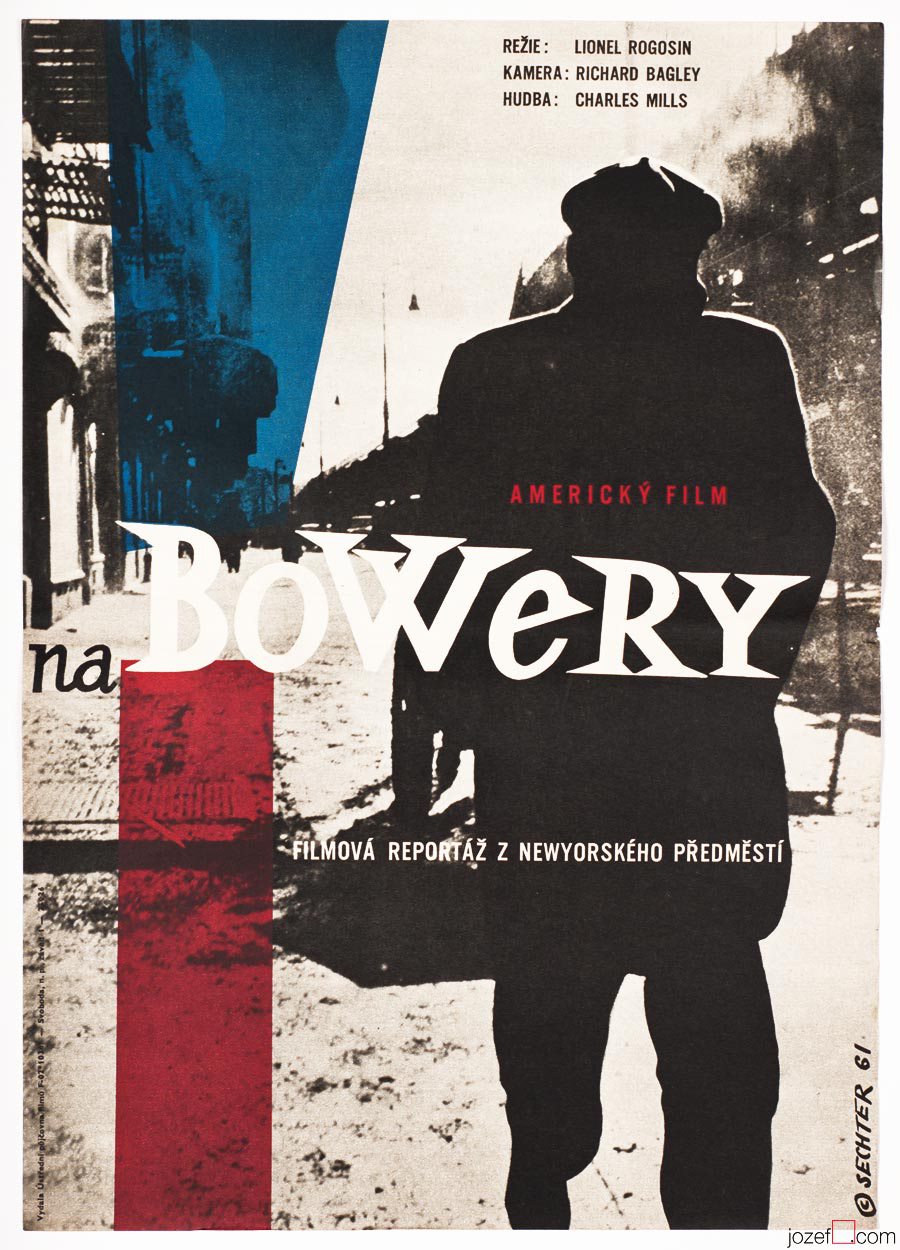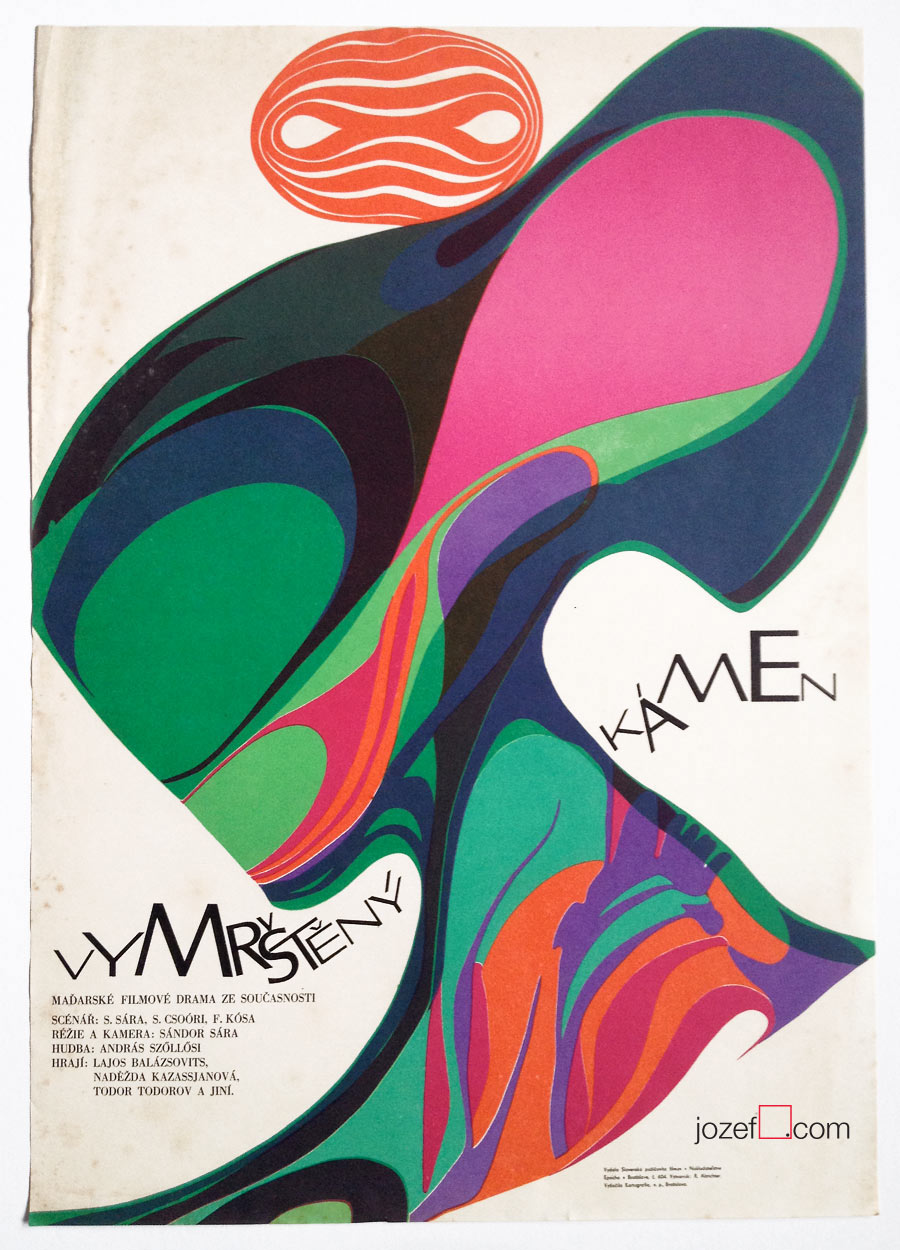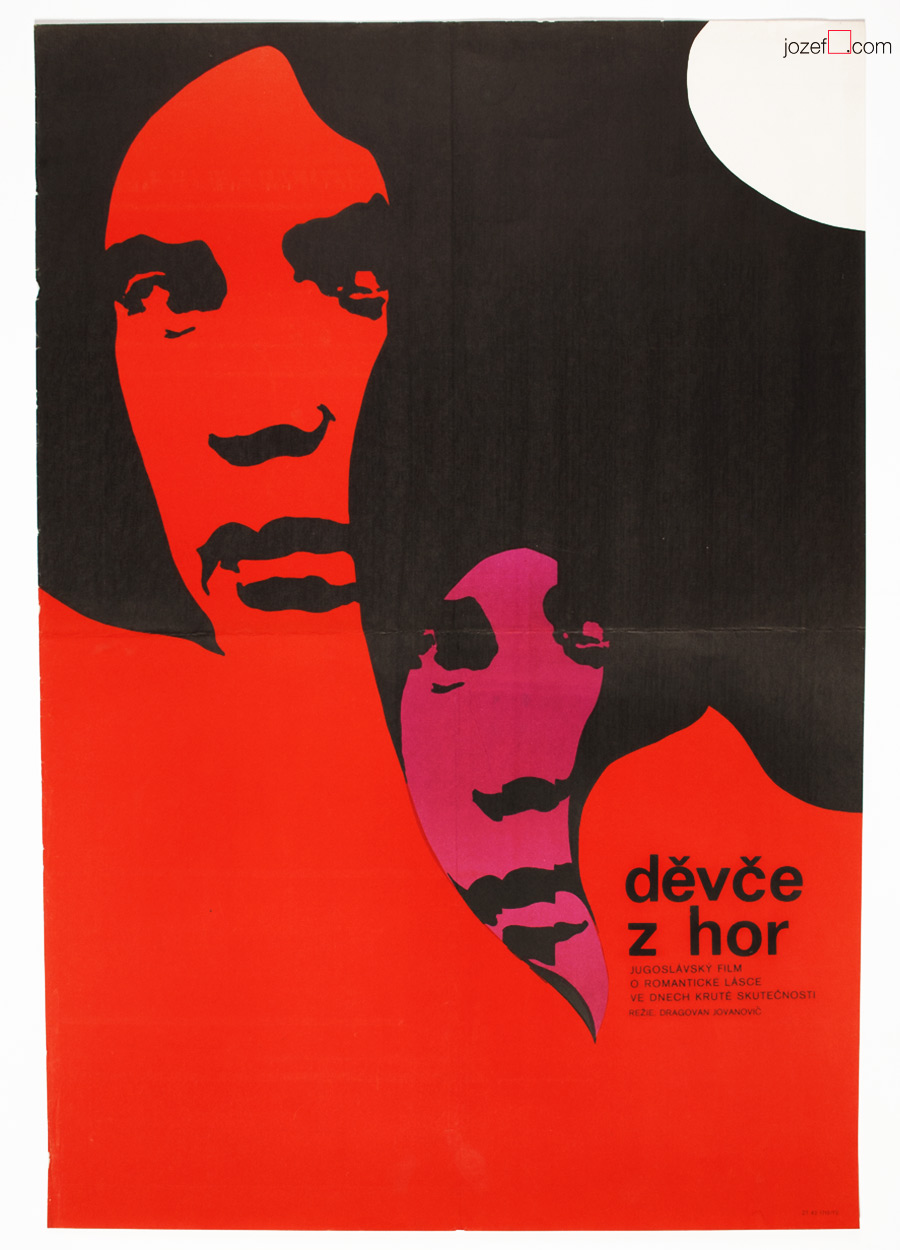
Poster Designs – Anonymous Artists / Sixties. The story of film posters.

Movie posters in history. Showcase of 1960s poster designs.

Poster Designer / Anonymous Artists

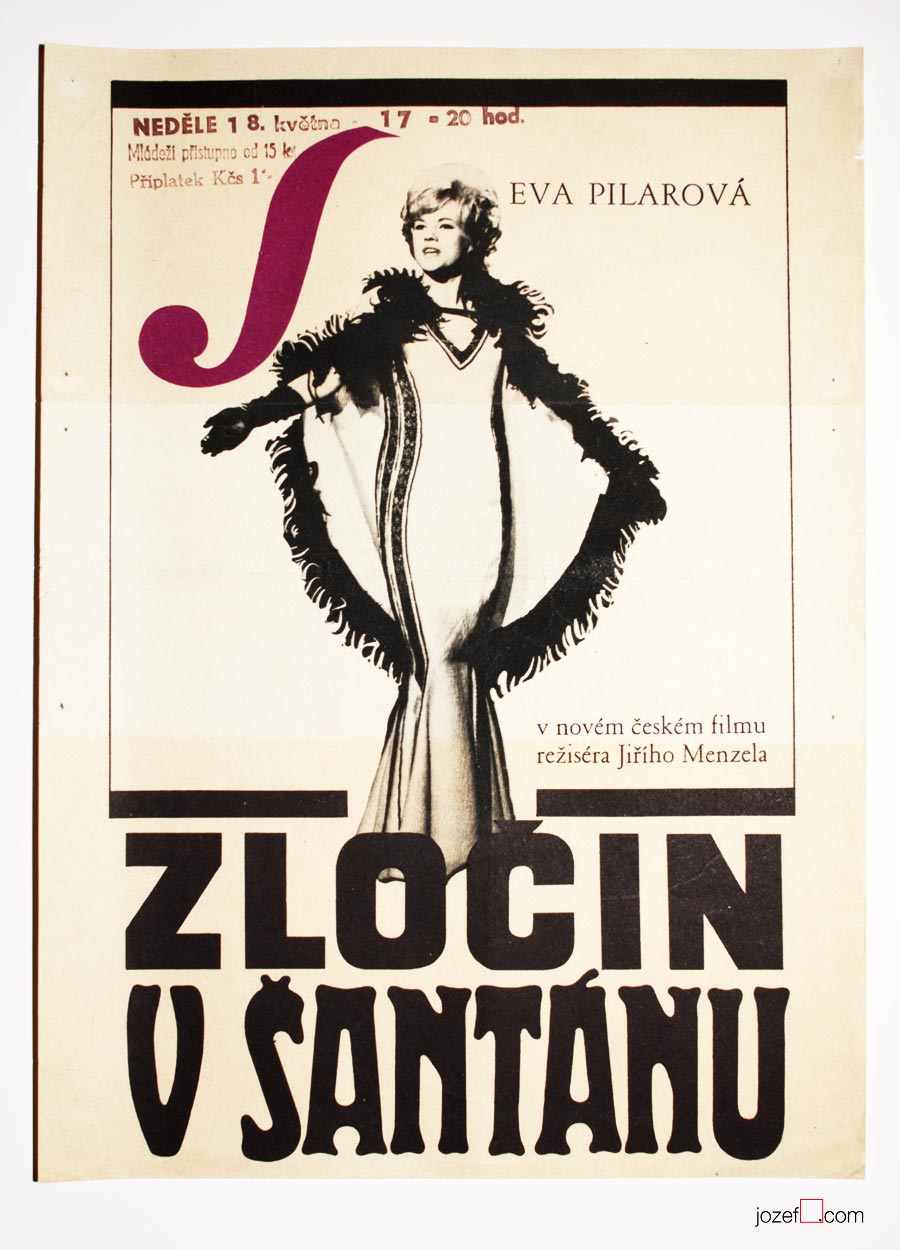
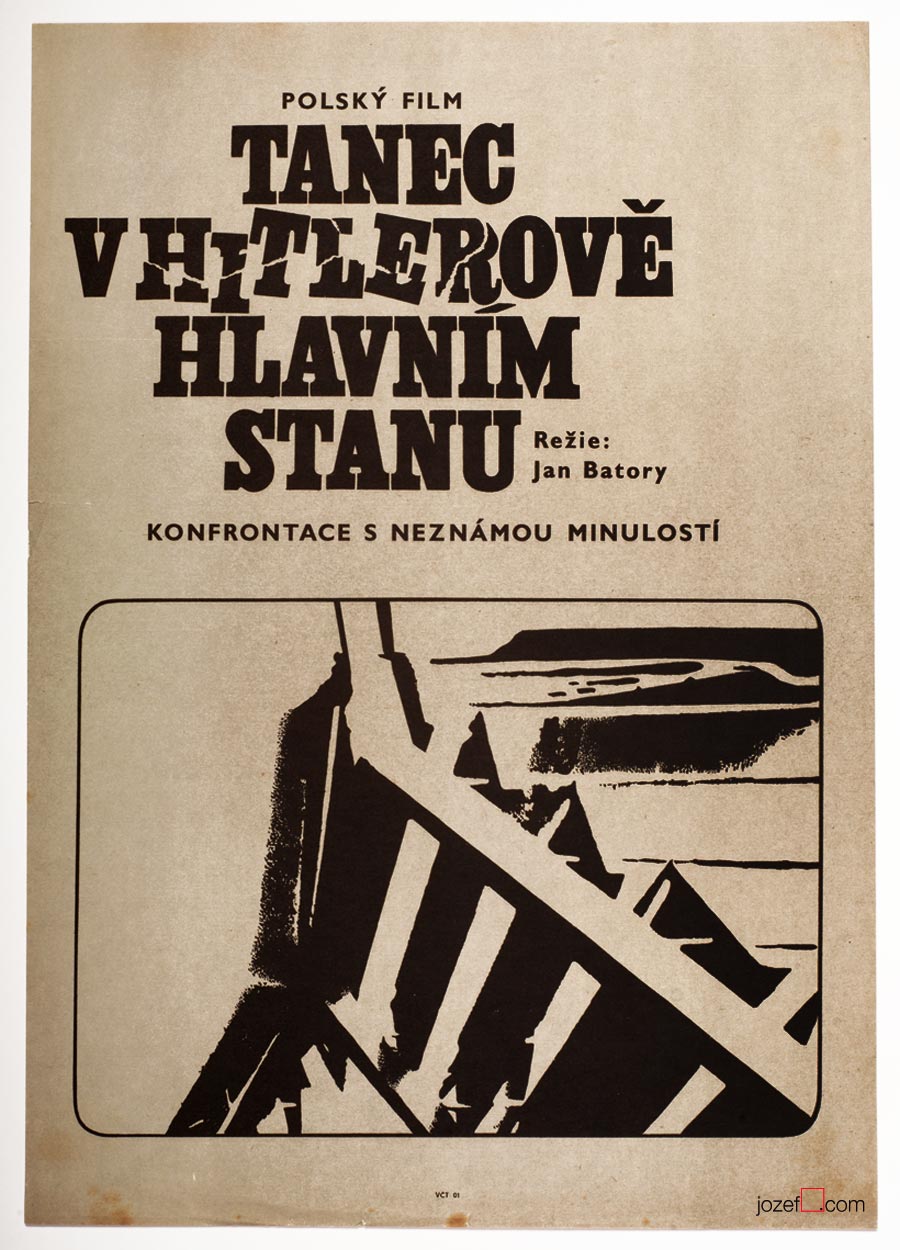
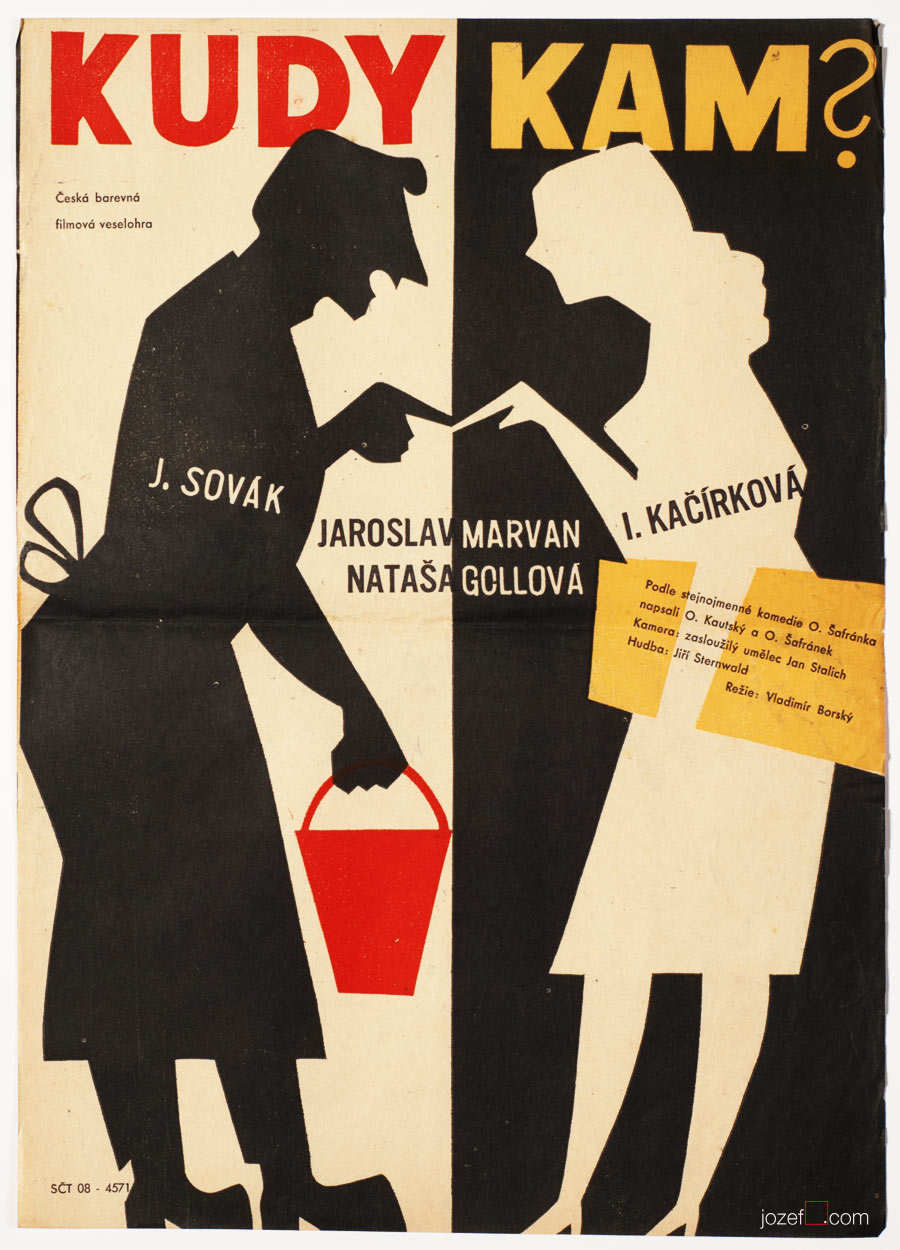
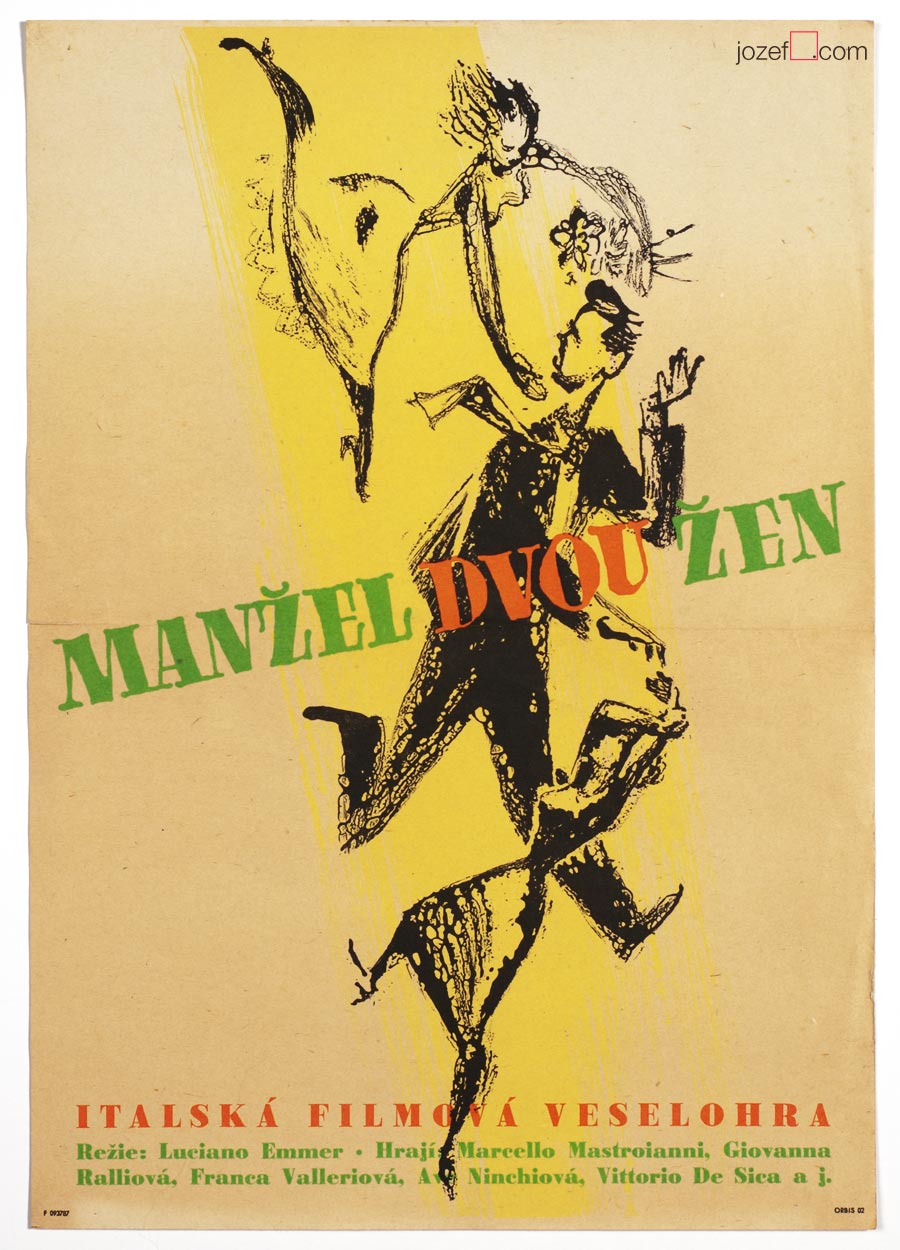
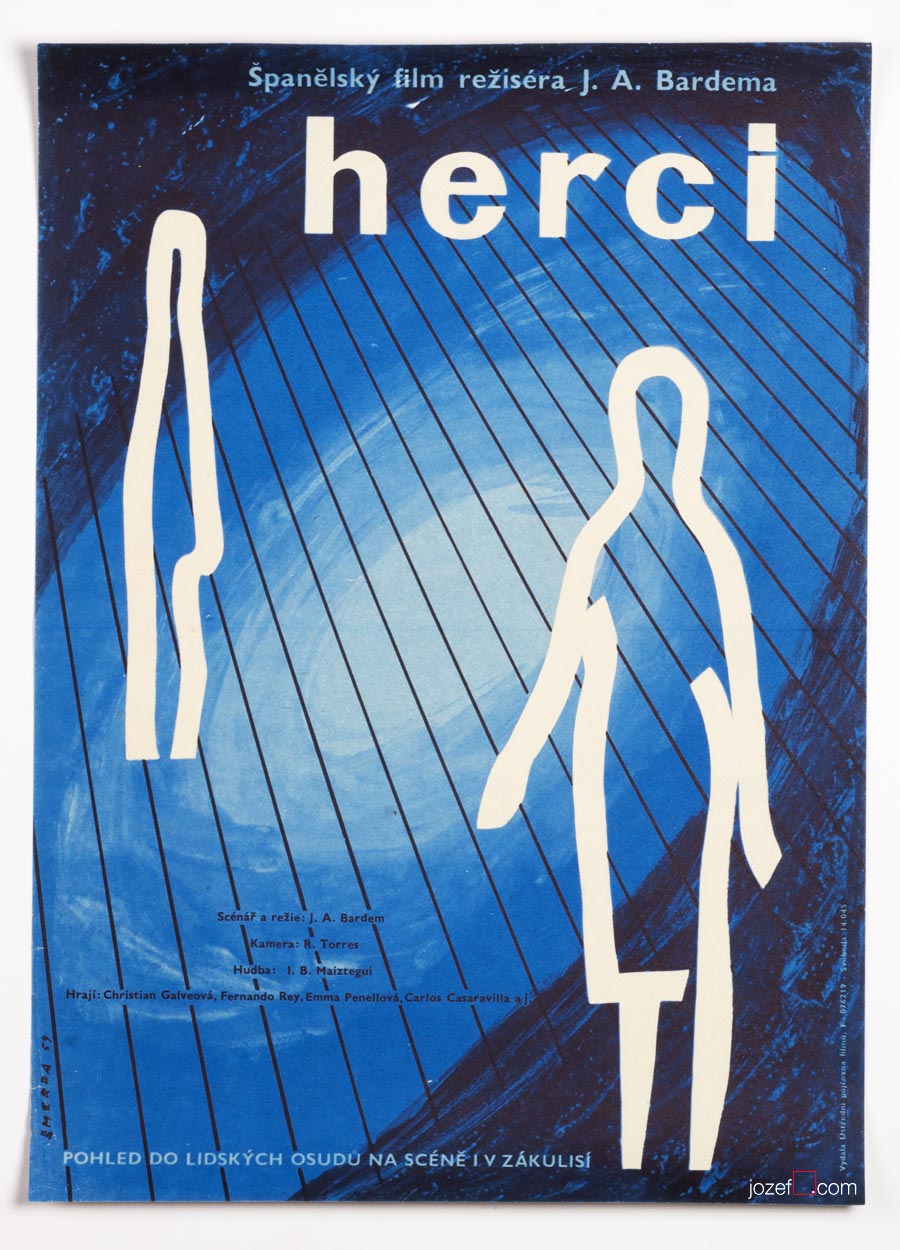
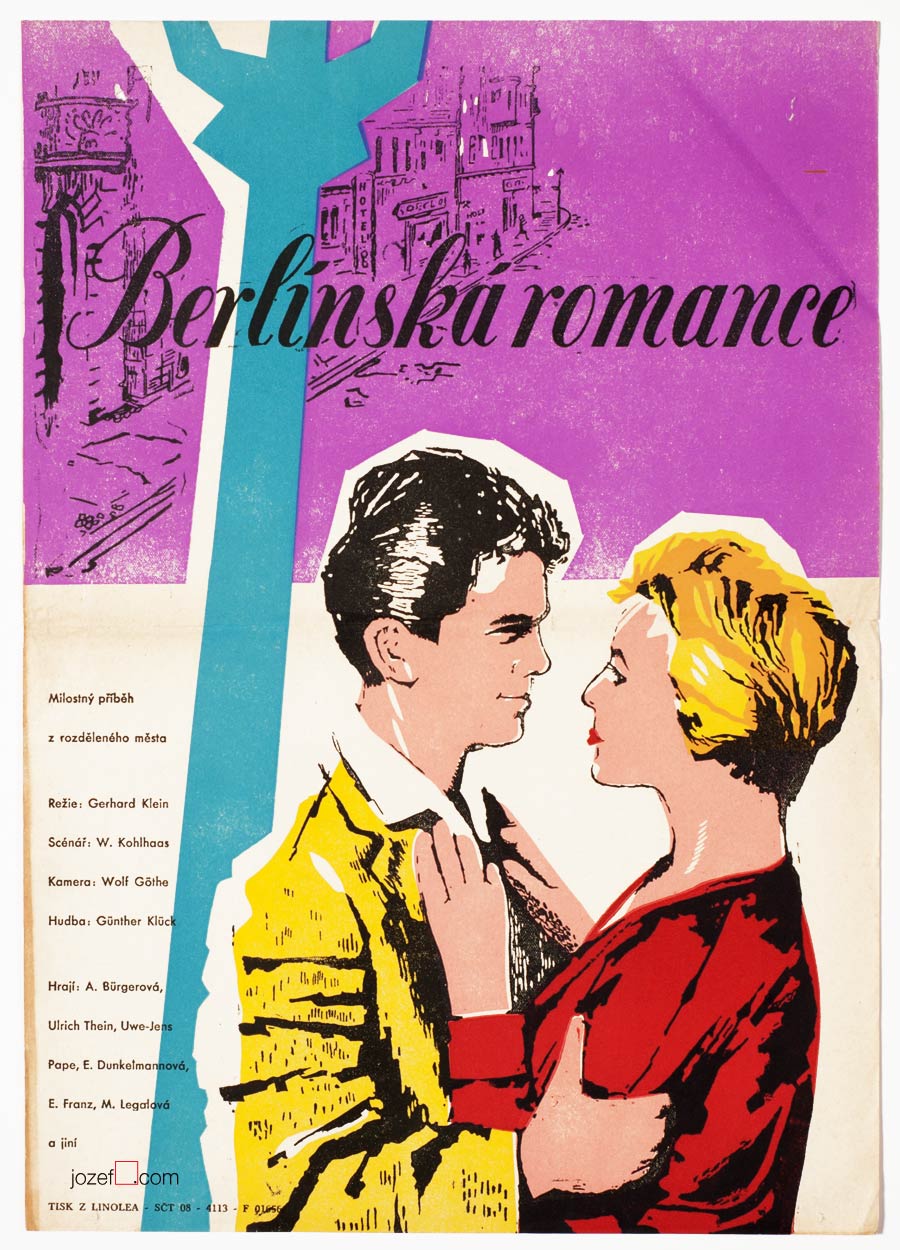
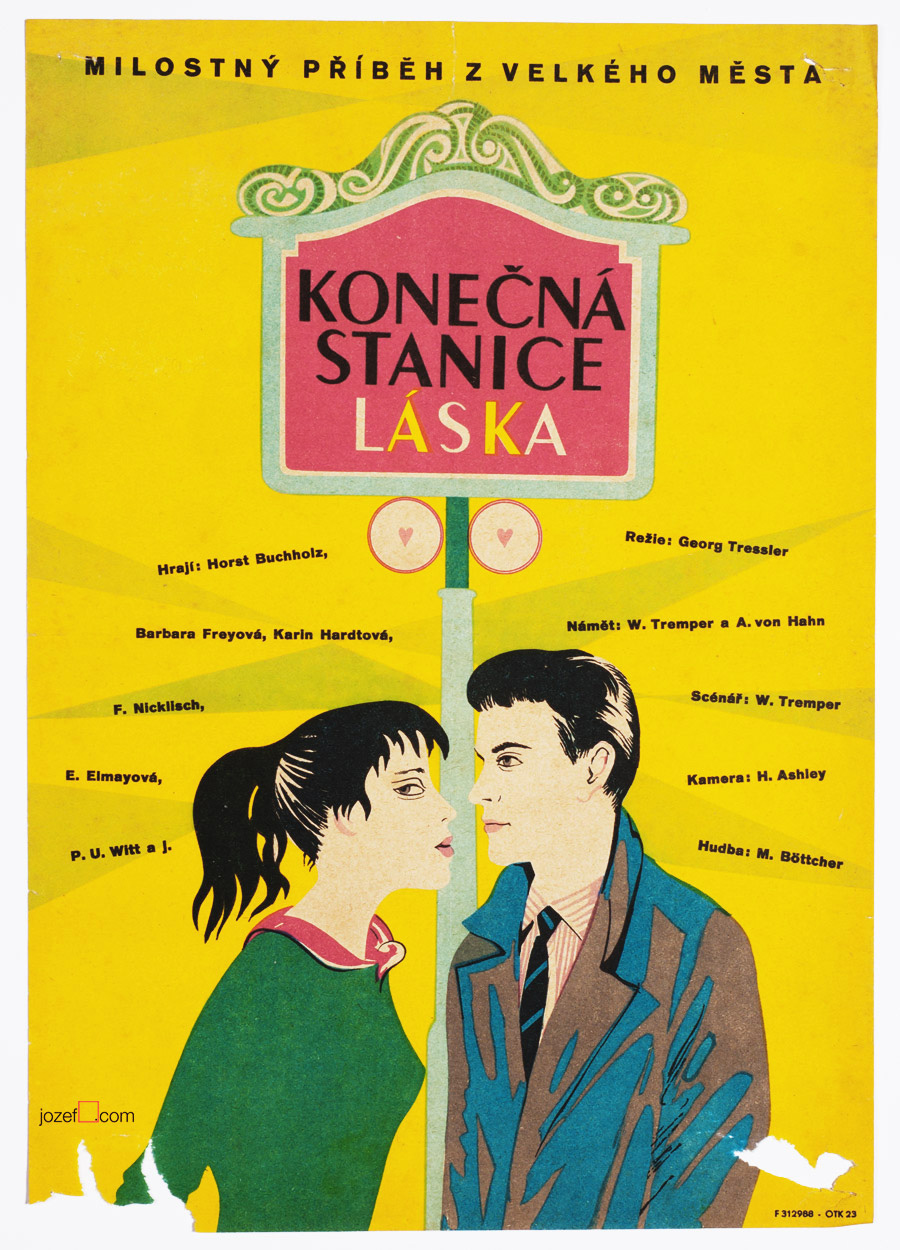
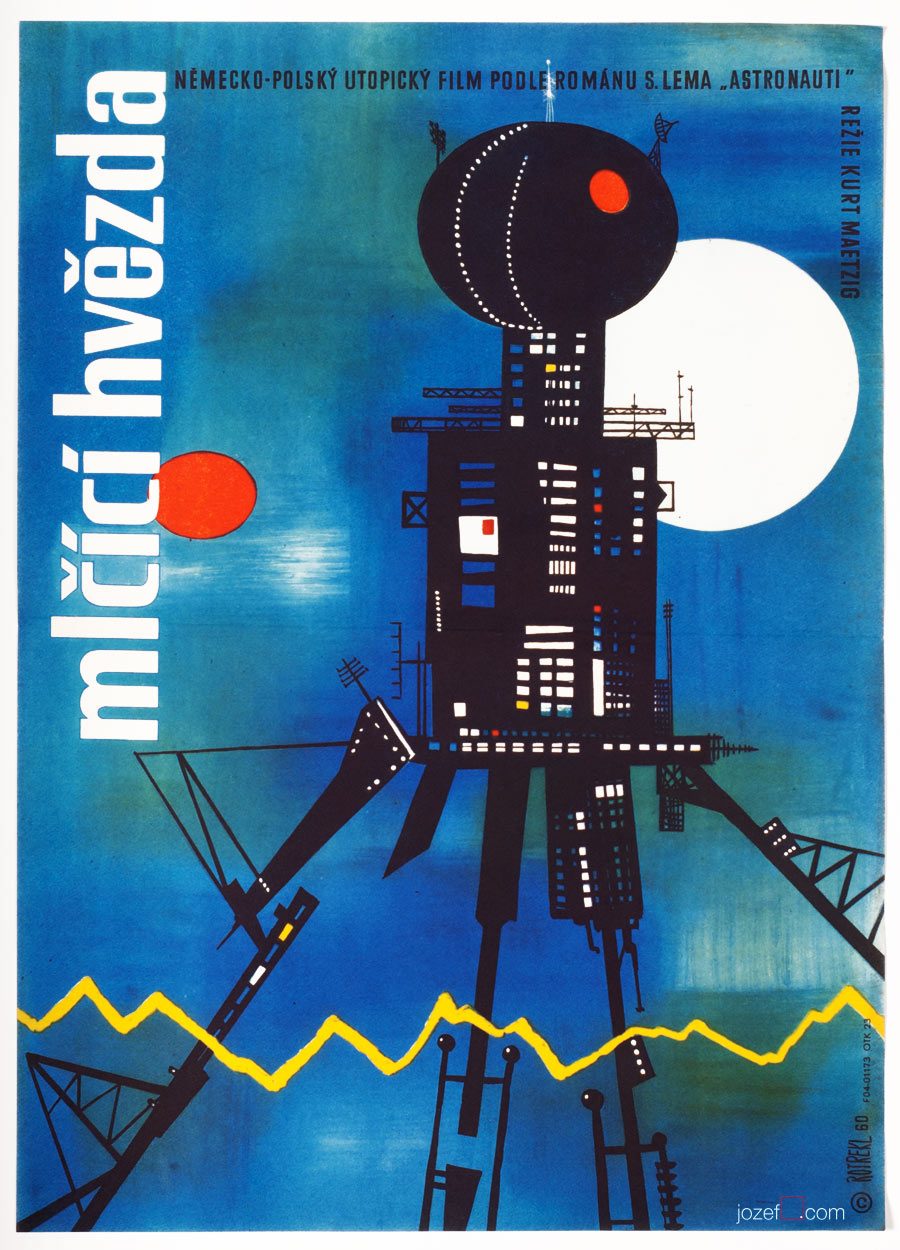
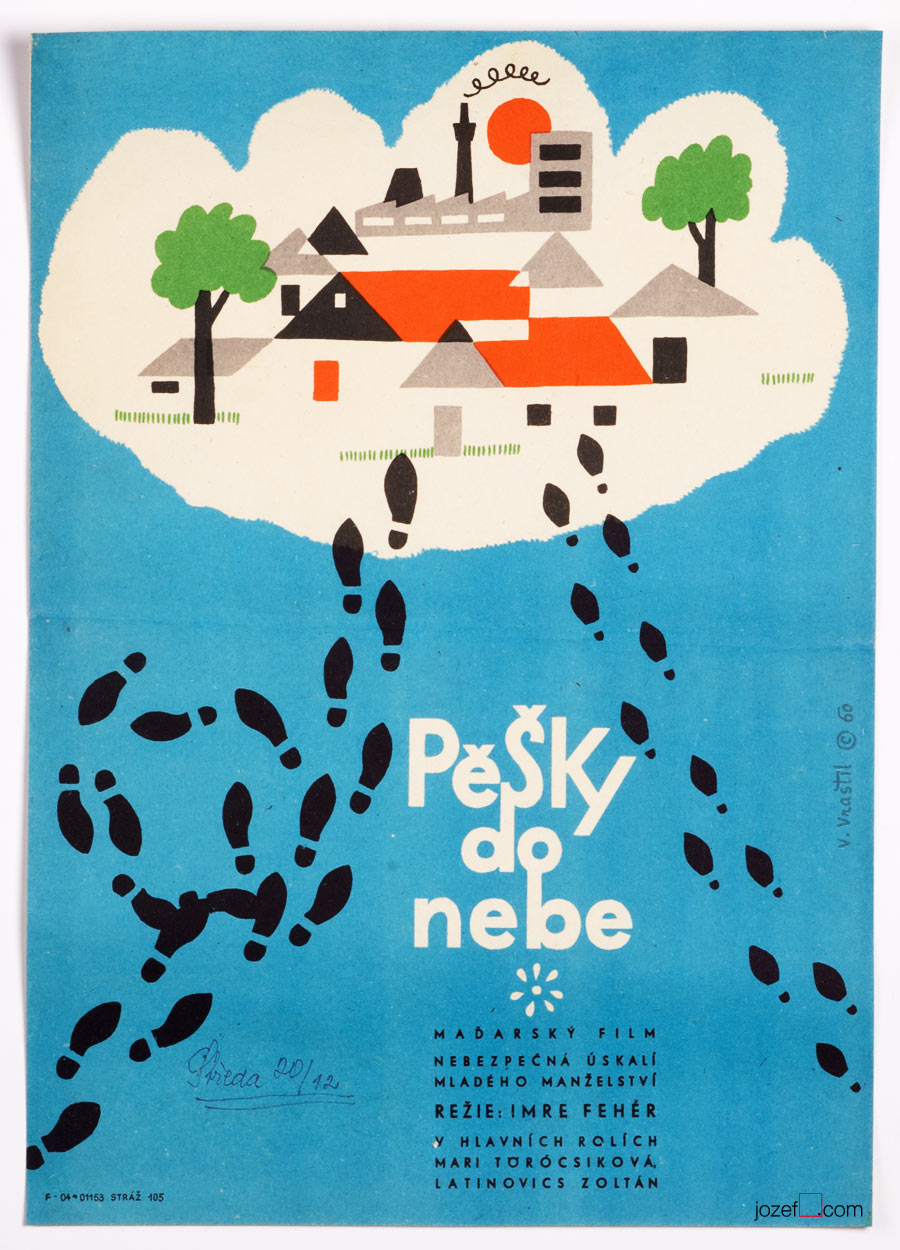
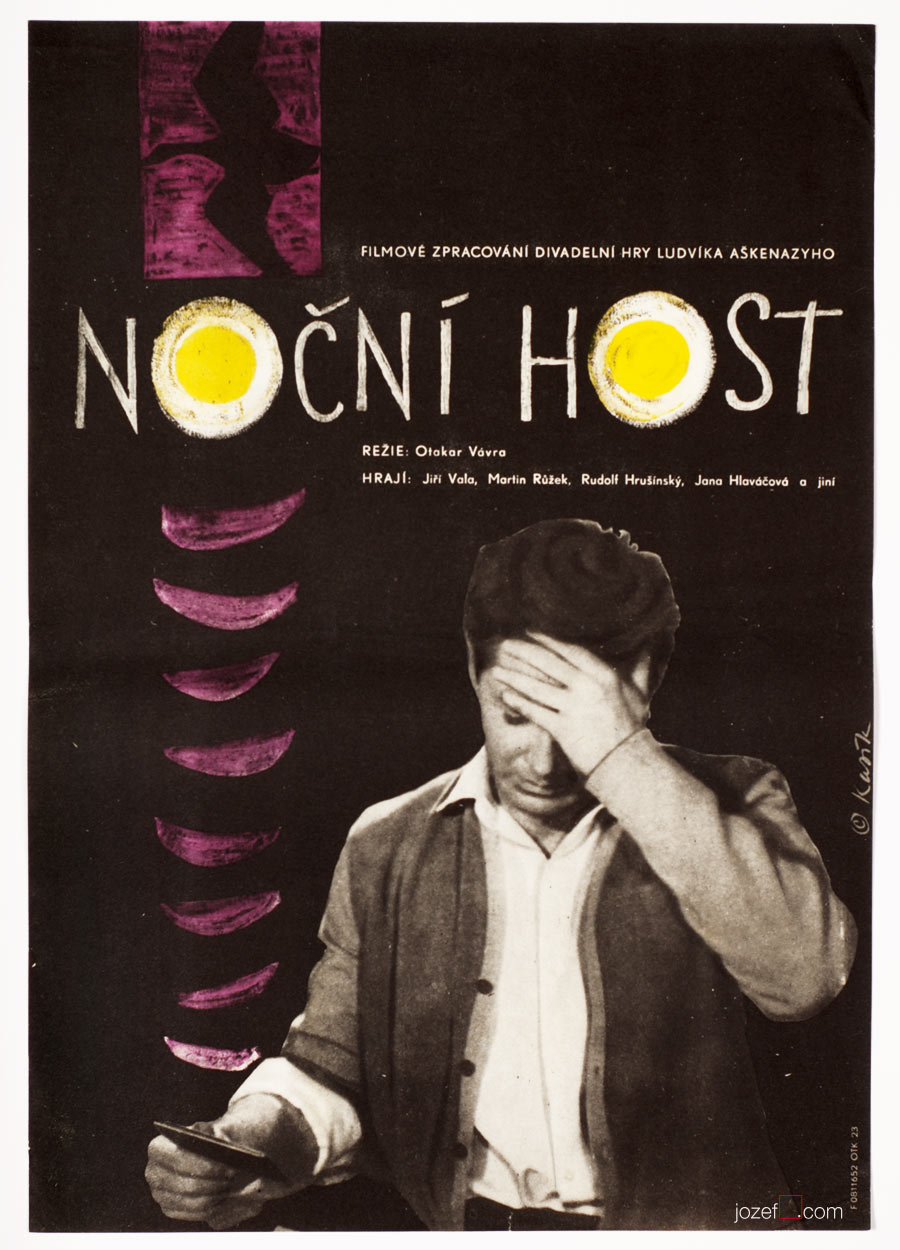
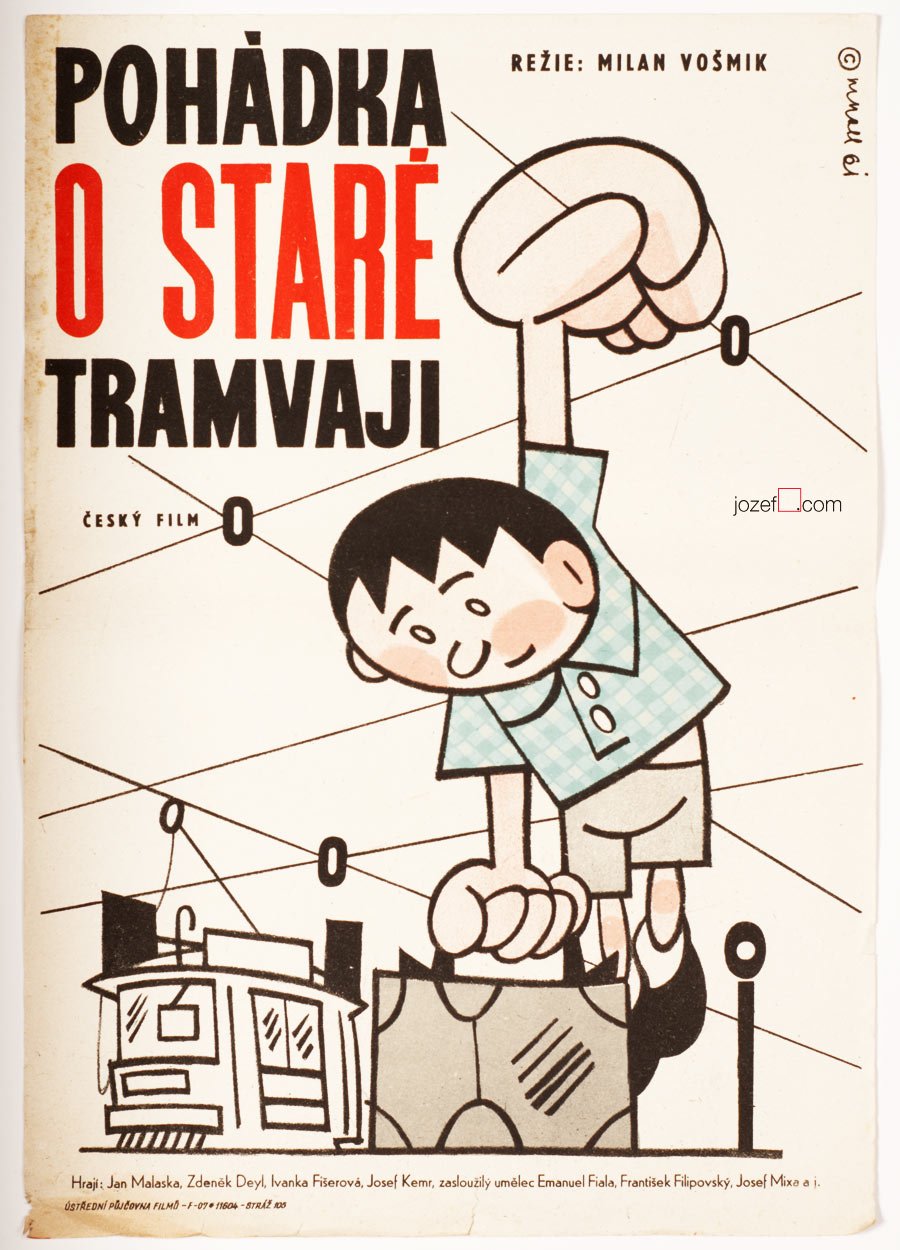
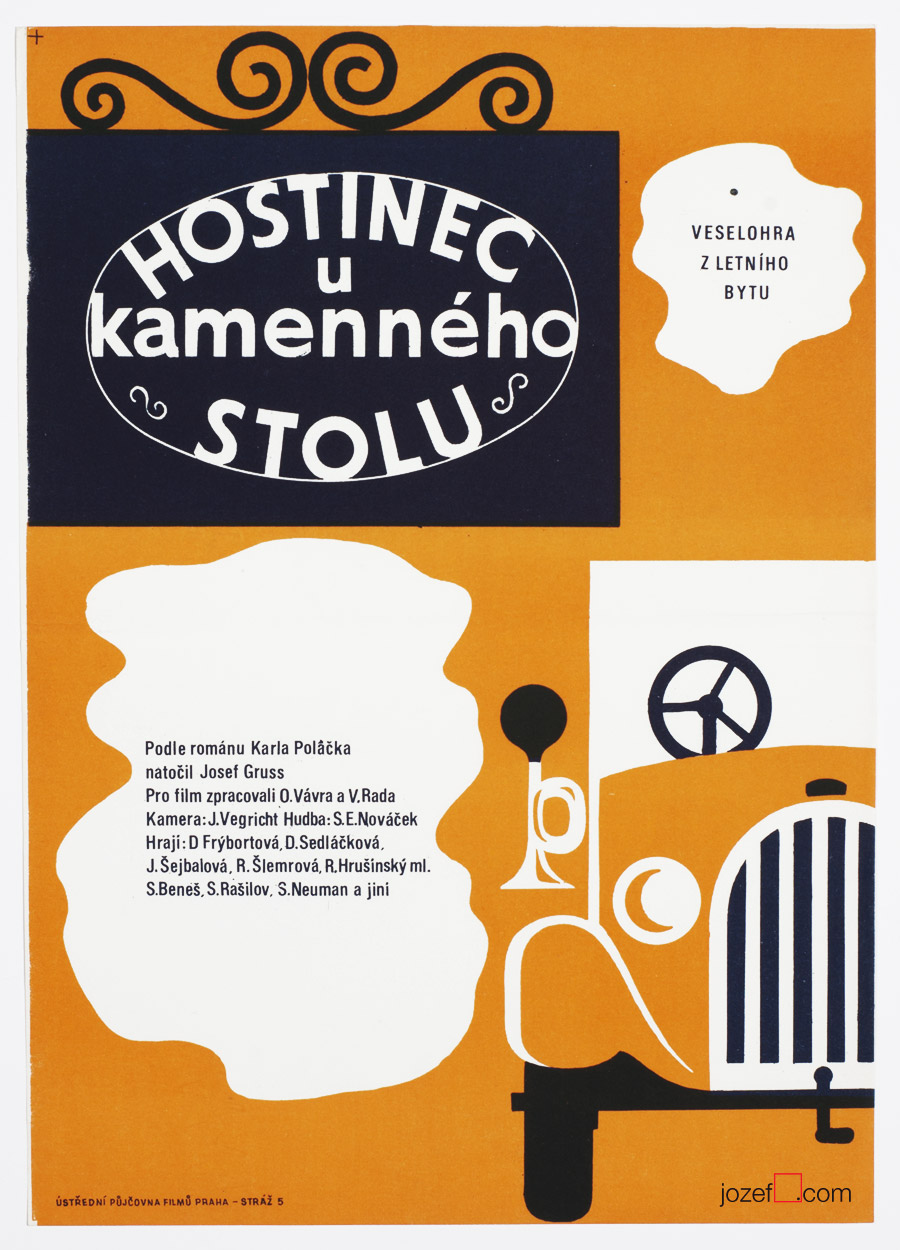
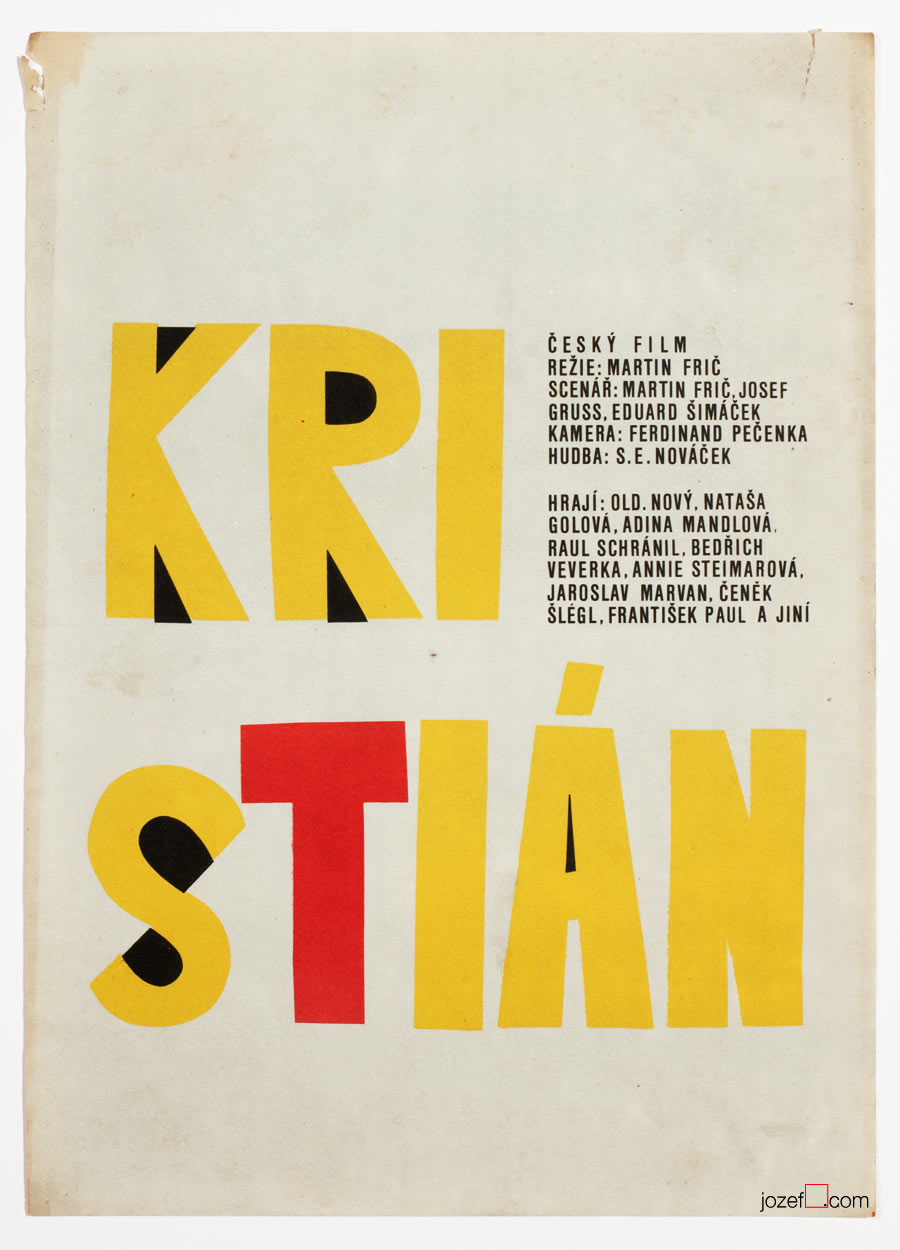
It would be very hard to define a common practice or visual language of Anonymous poster designers in Czechoslovakia. Even harder with Sixties, as the period offered so much surprises and unpredictable twists in both politics and culture. It seems like one can never live without the other (somehow never in successful harmony). Specially politicians were always dependant on cultural demagogy, using visual propaganda to their needs.

***
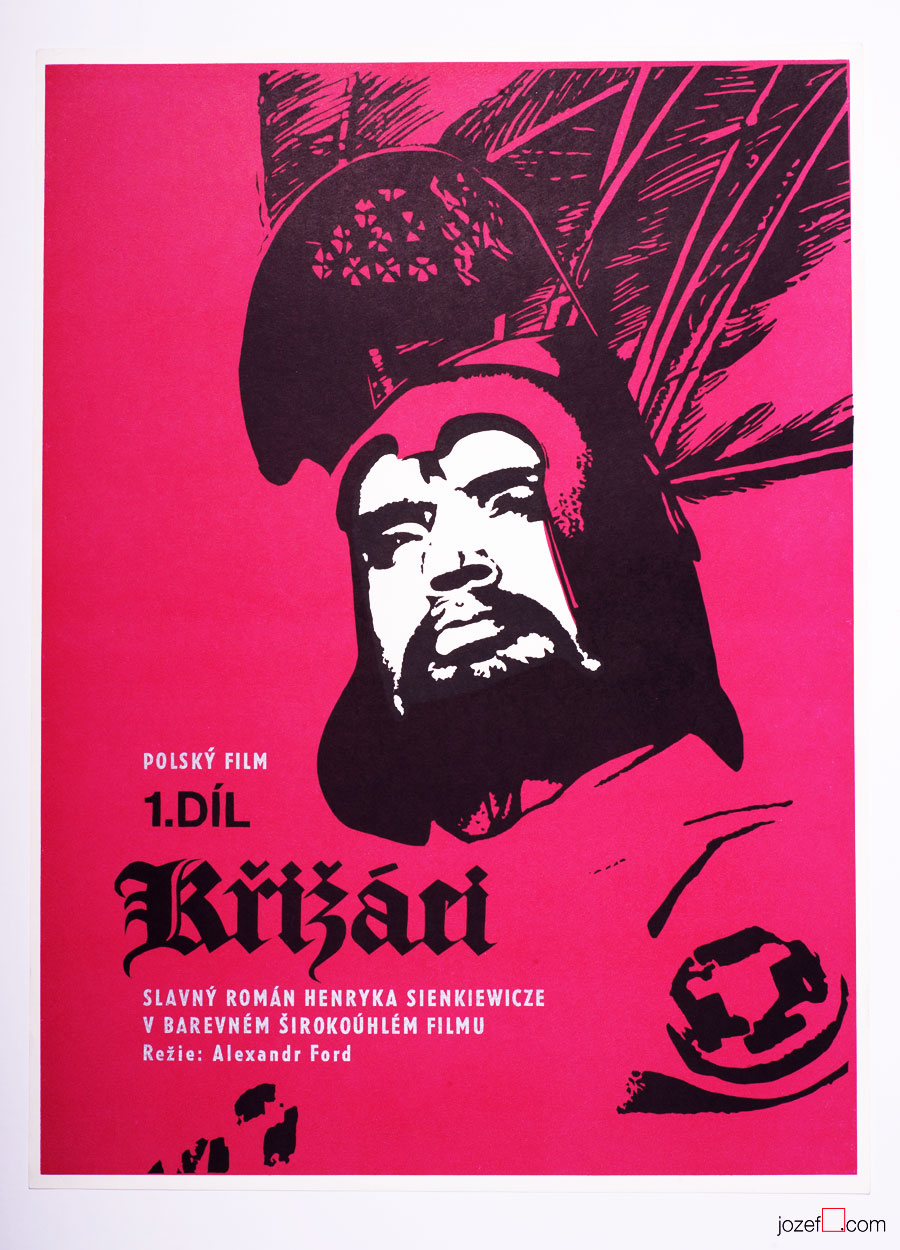
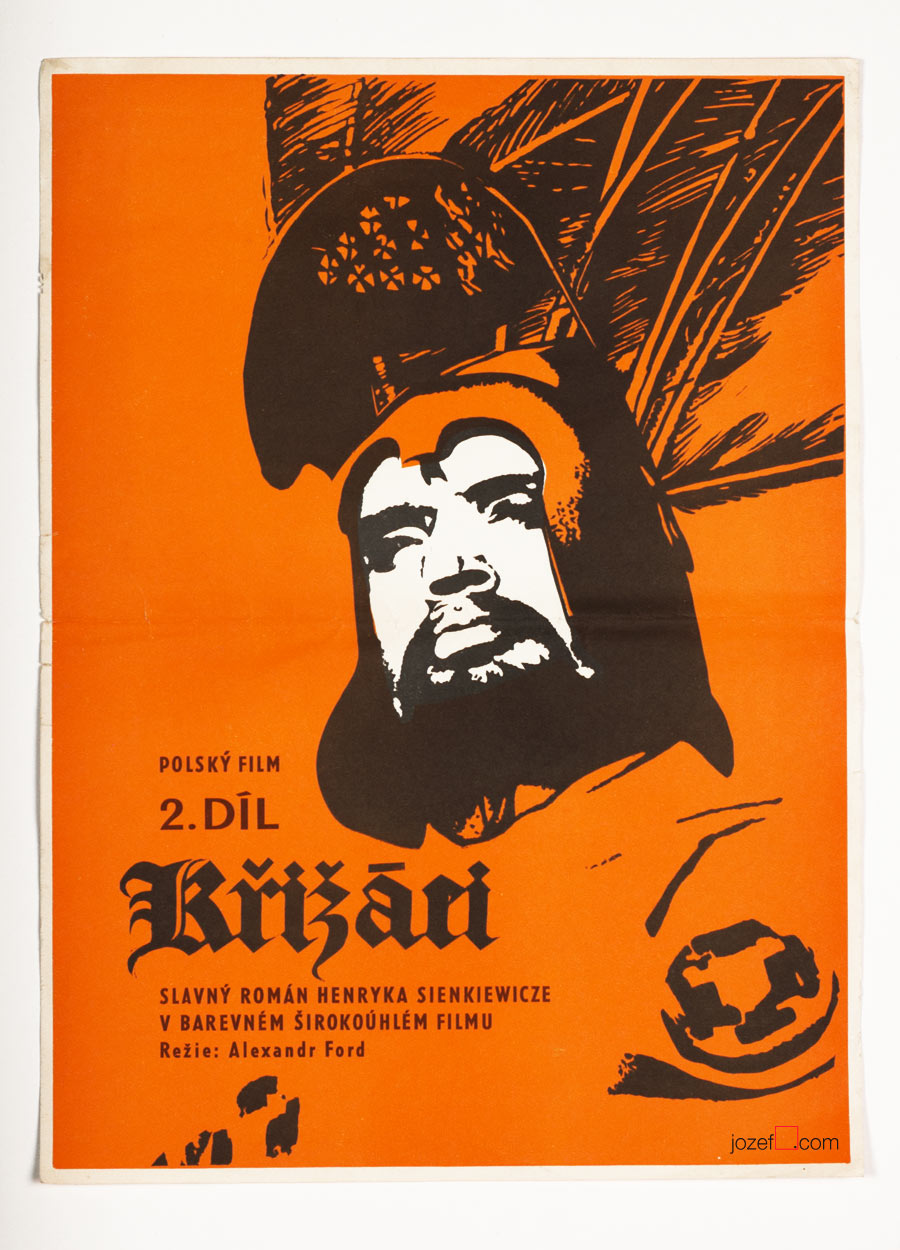
Careful and very modern selection of colours was used for both parts of Knights of the Black Cross, 1961.
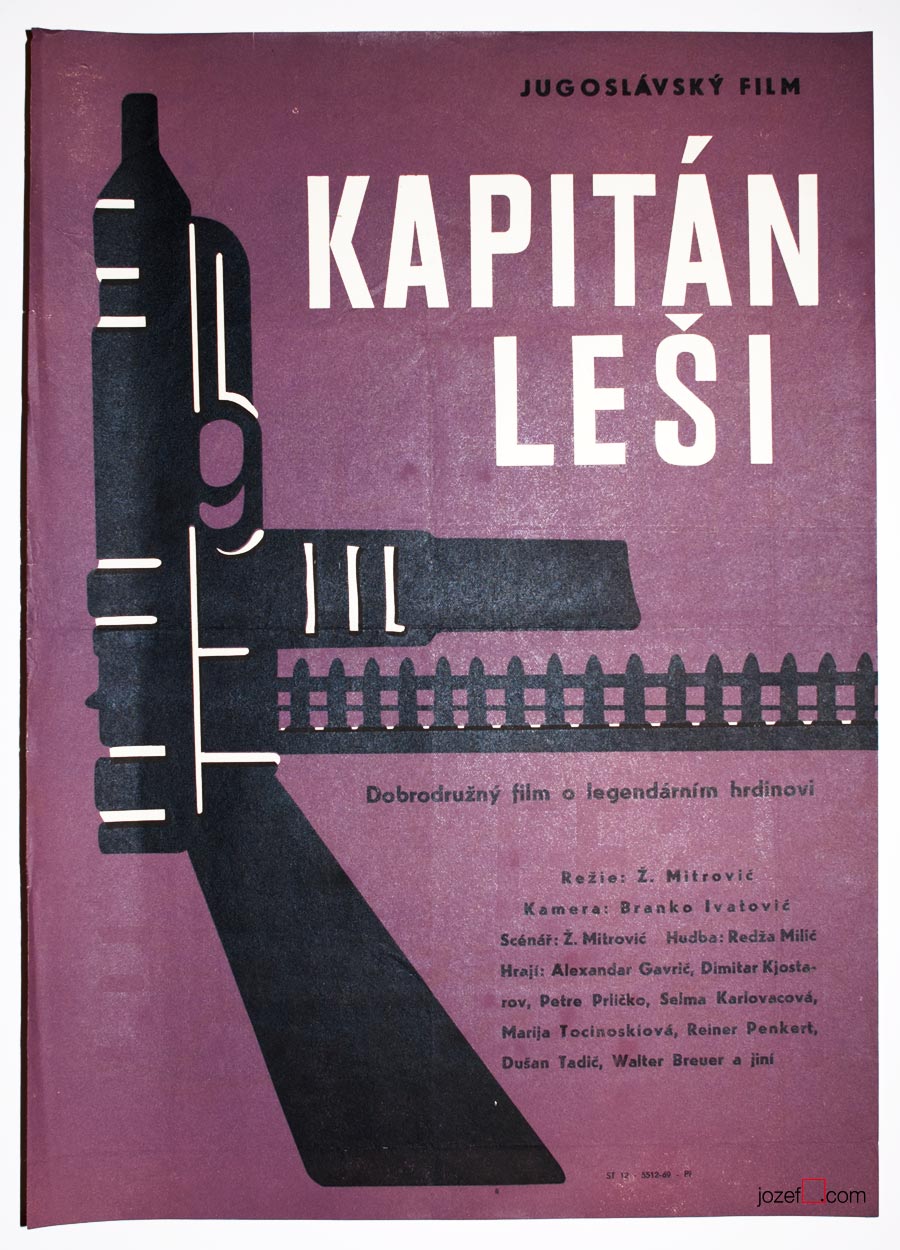
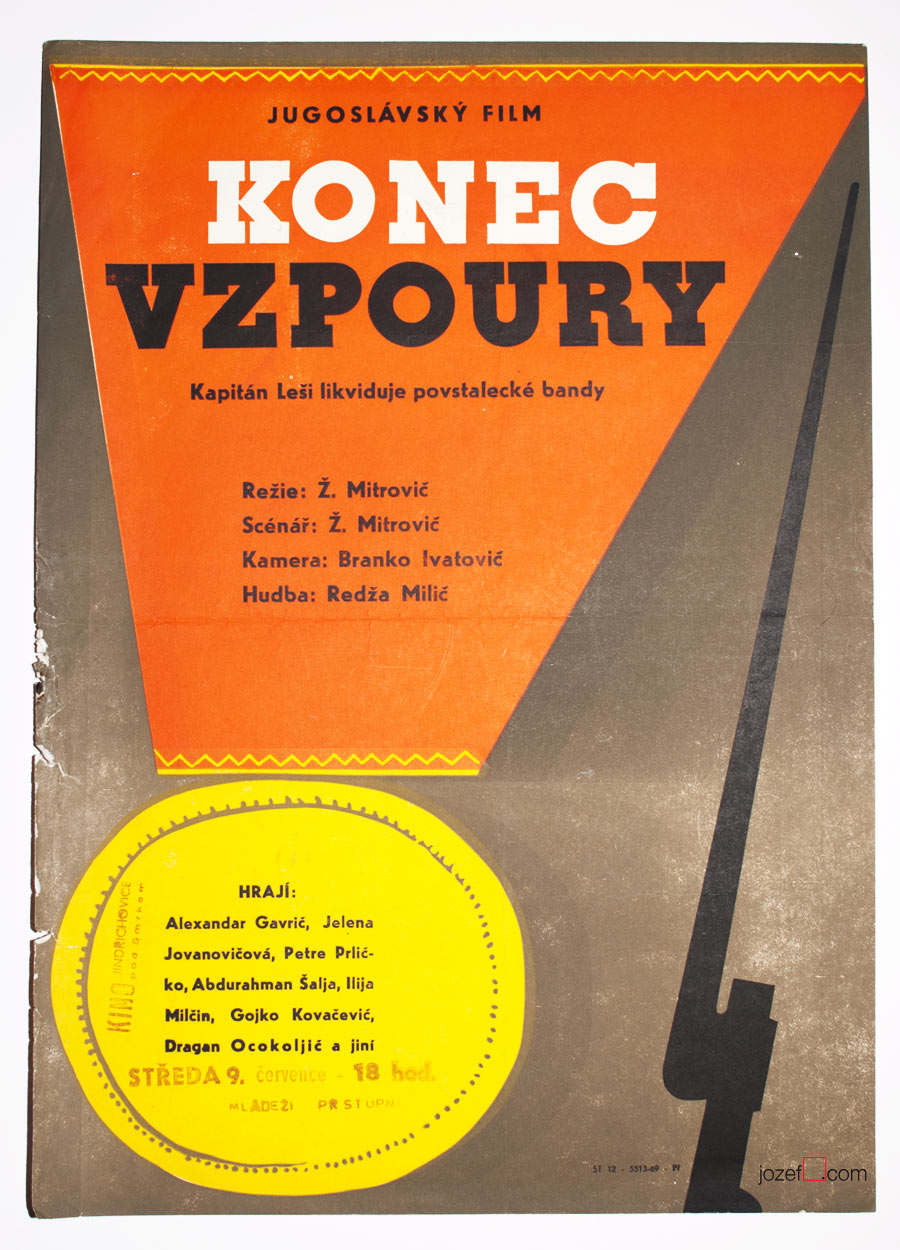
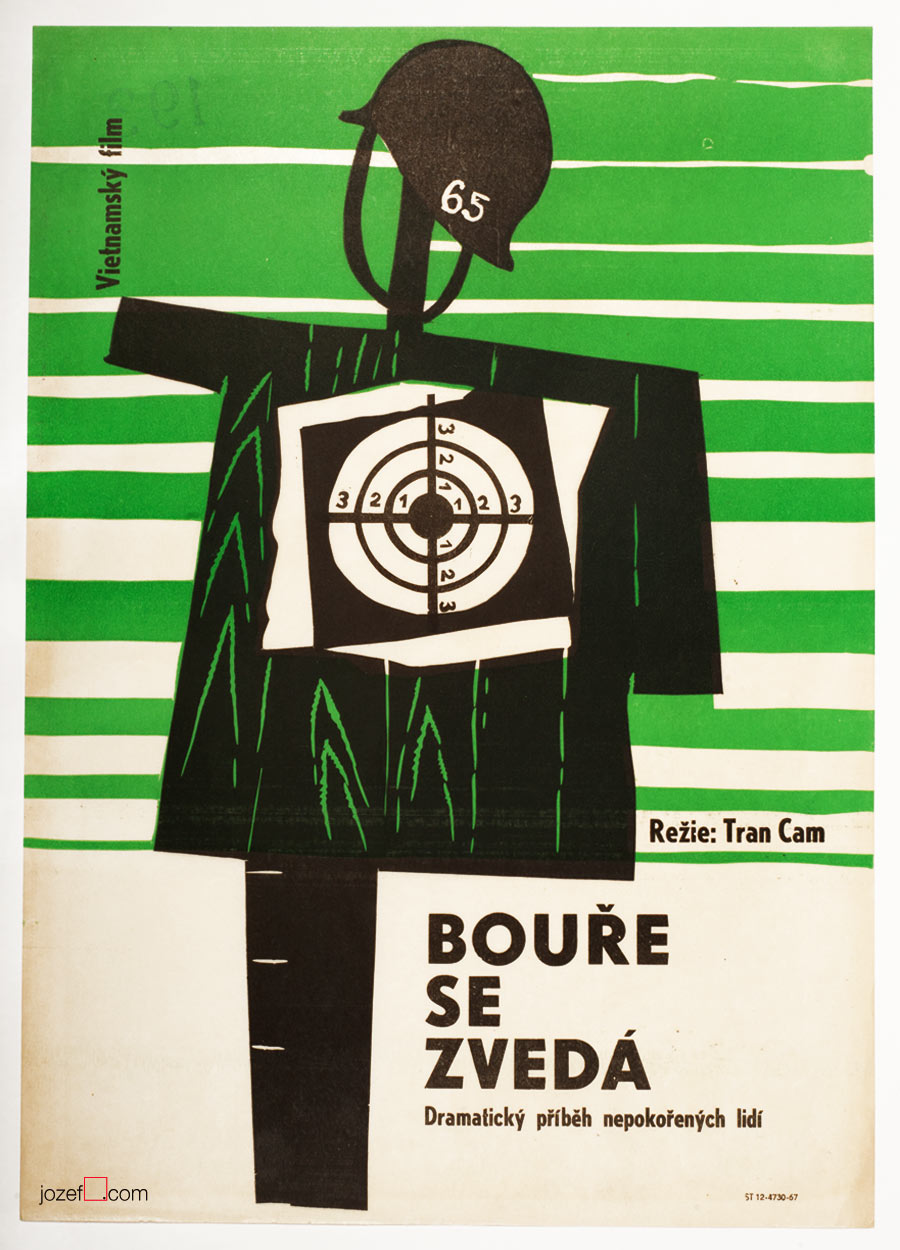
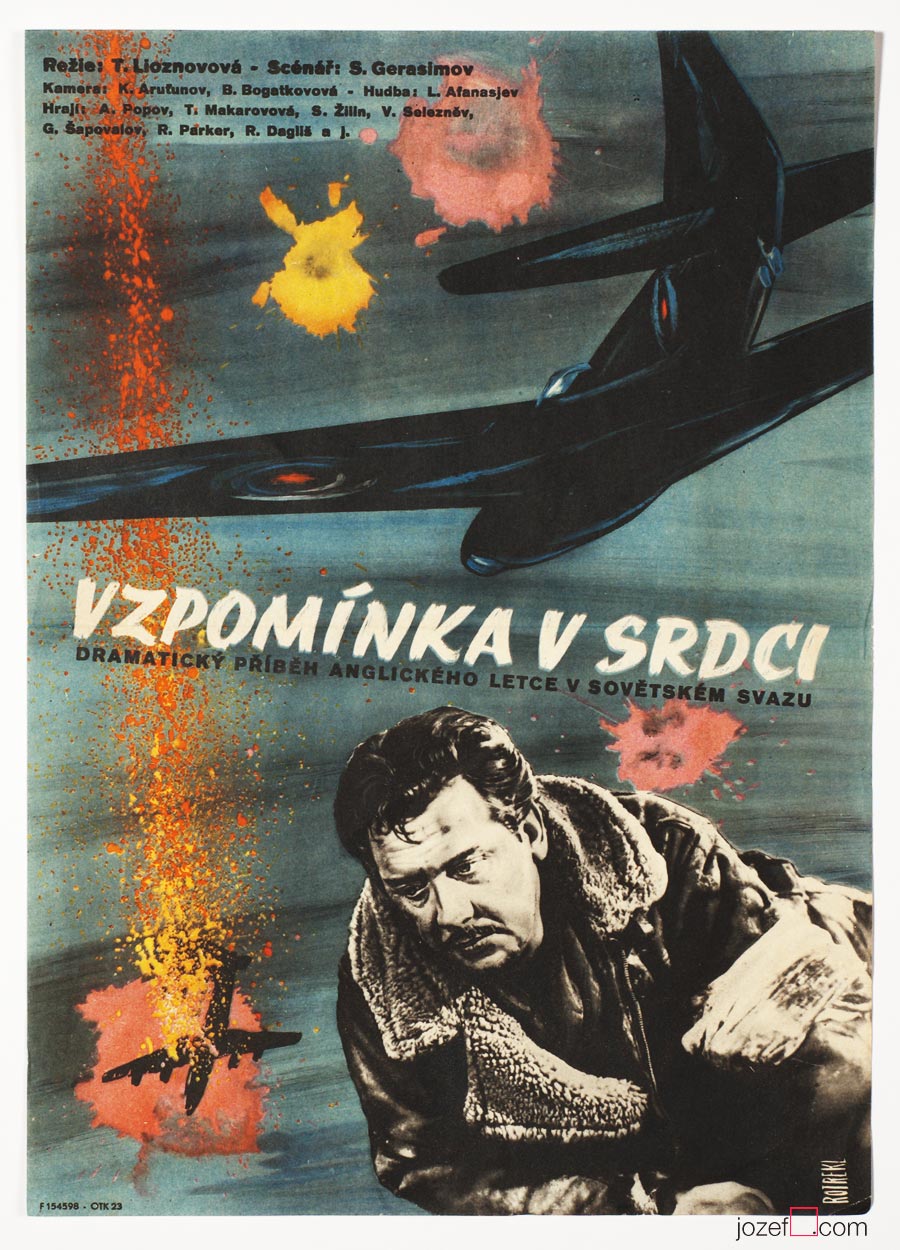
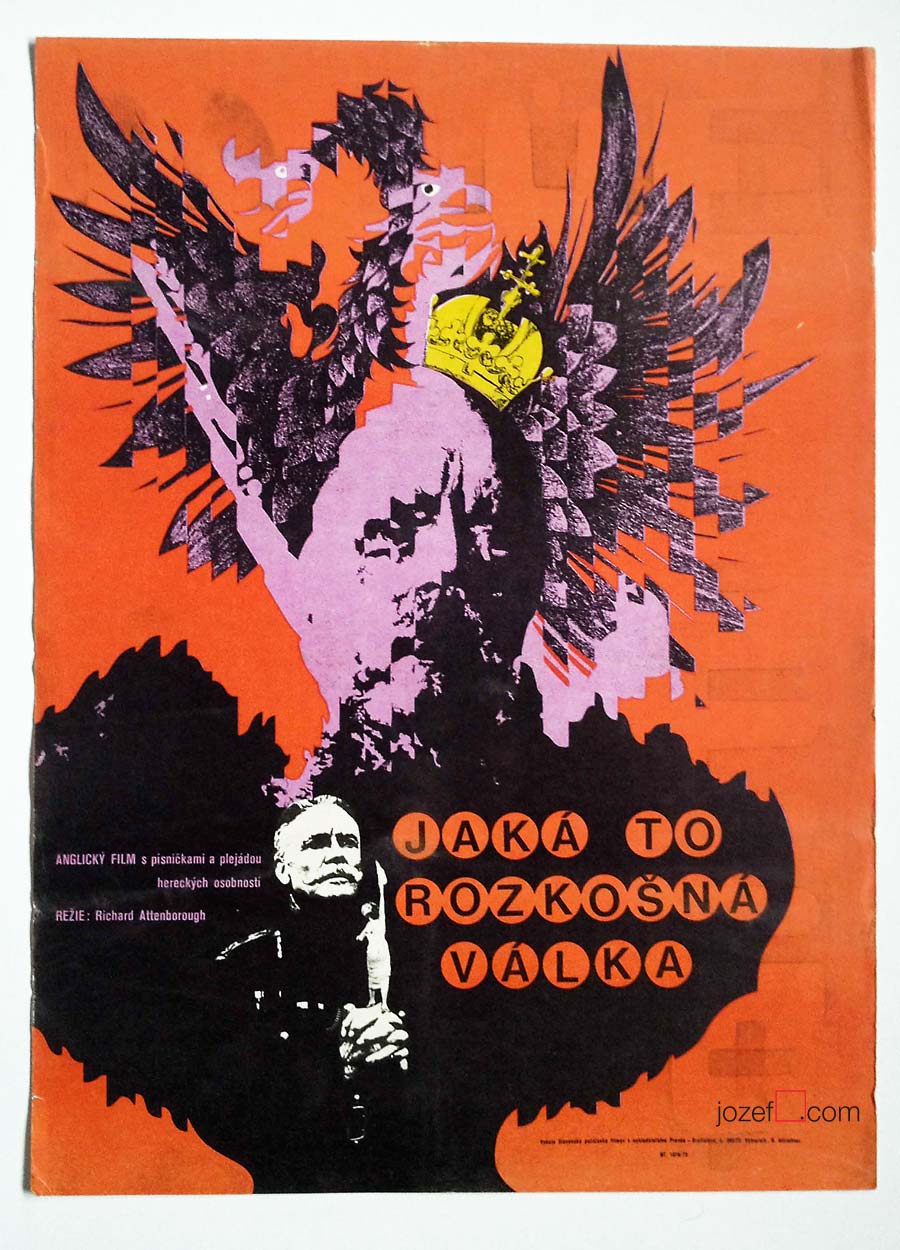
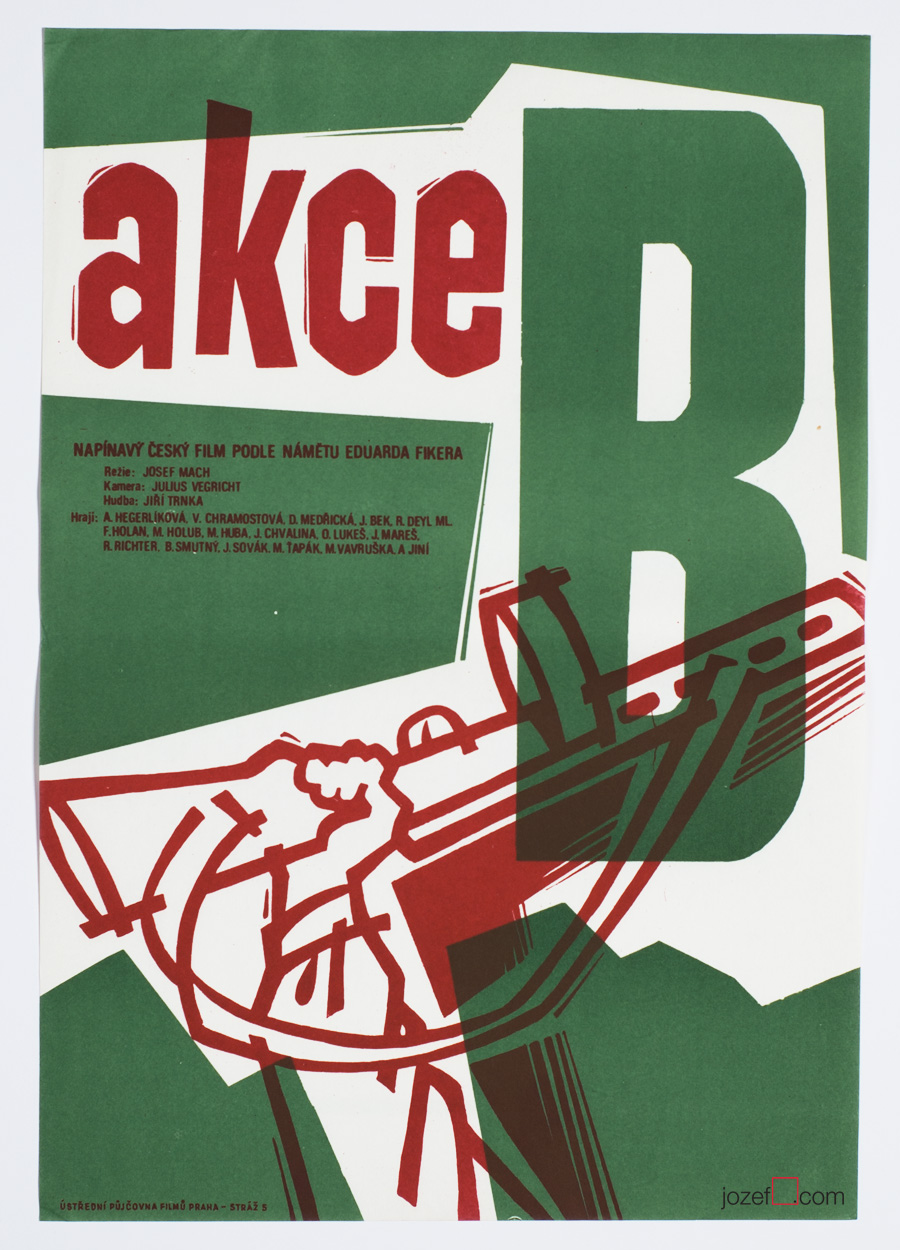
War movies were always highlights, particularly those showing war heroes in Socialist sort of way. Ongoing currency, no matter what’s the weather.
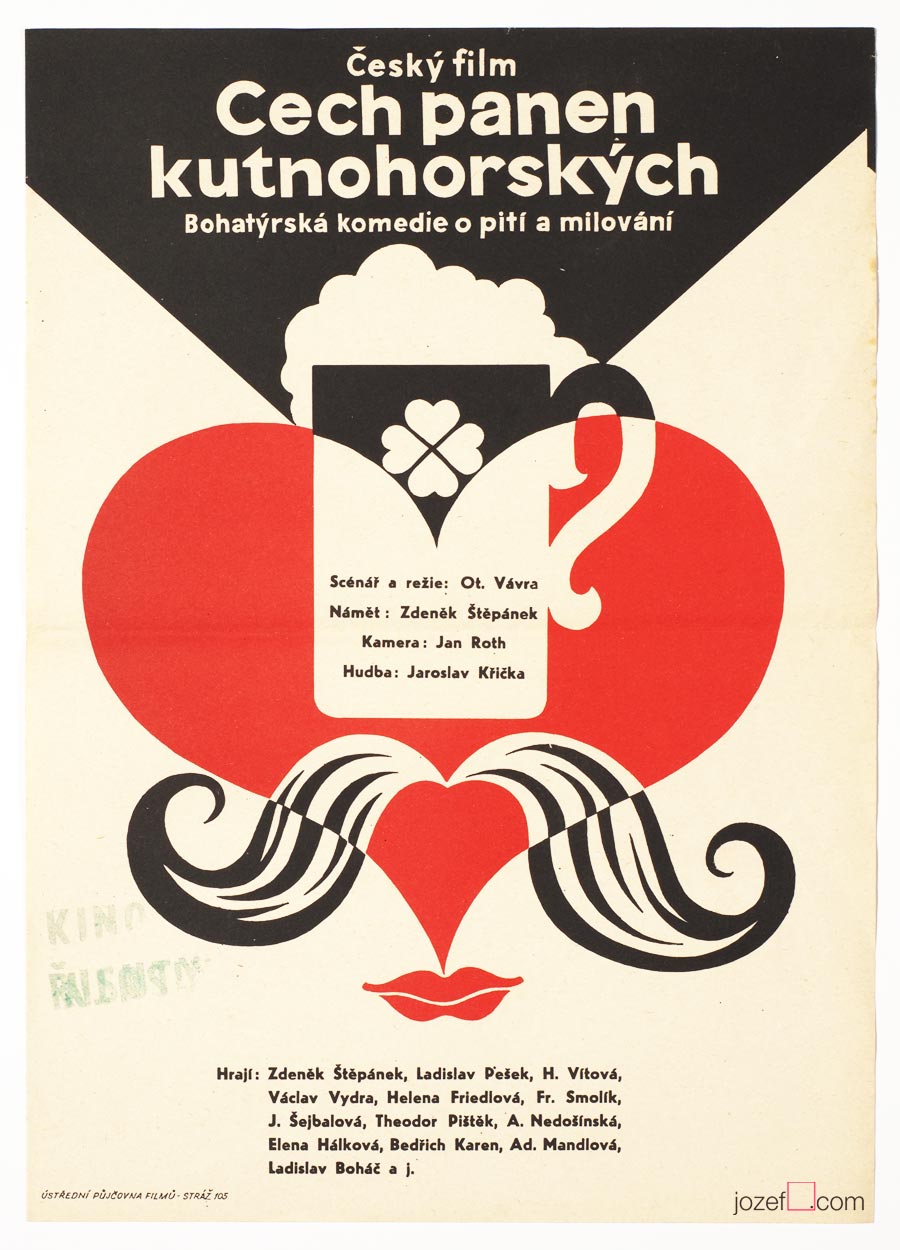
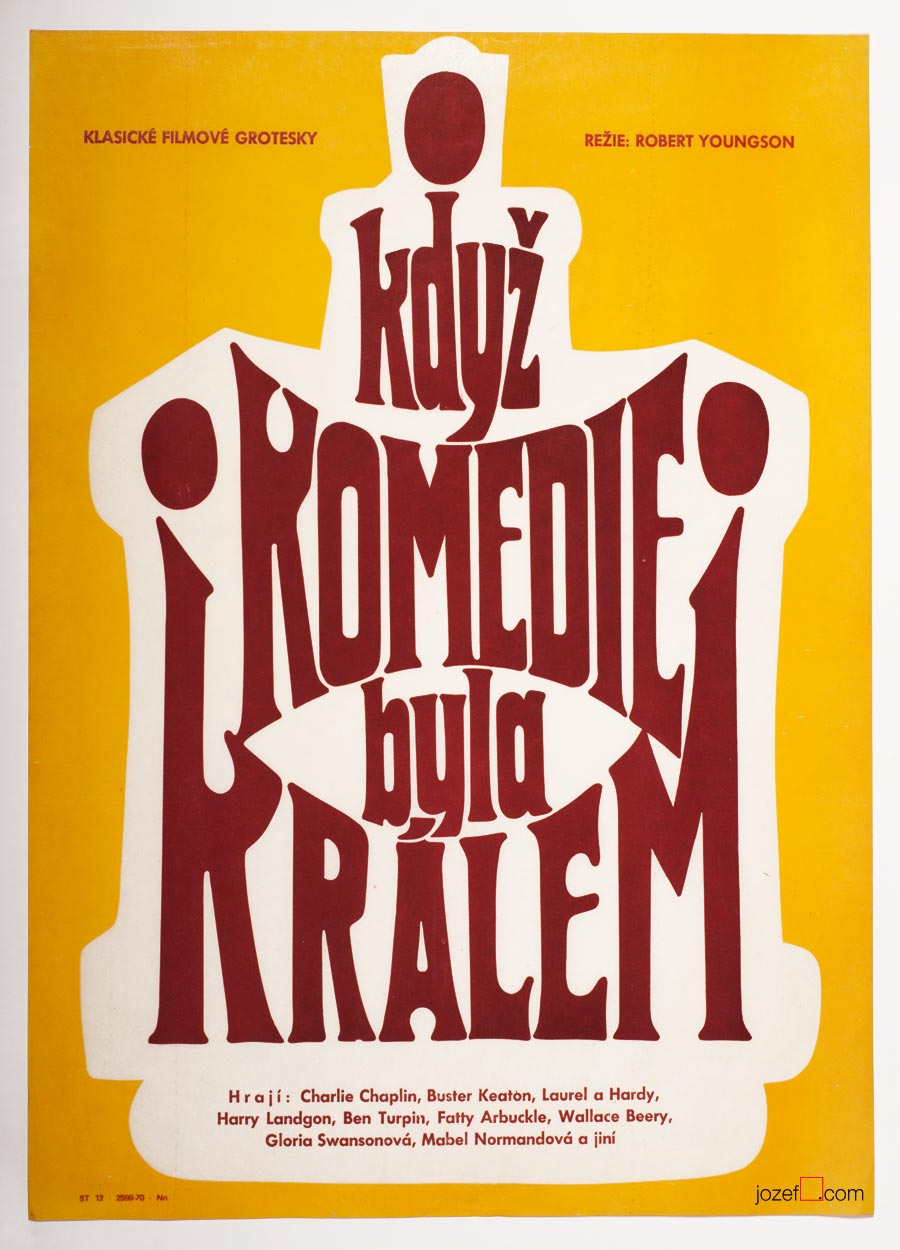
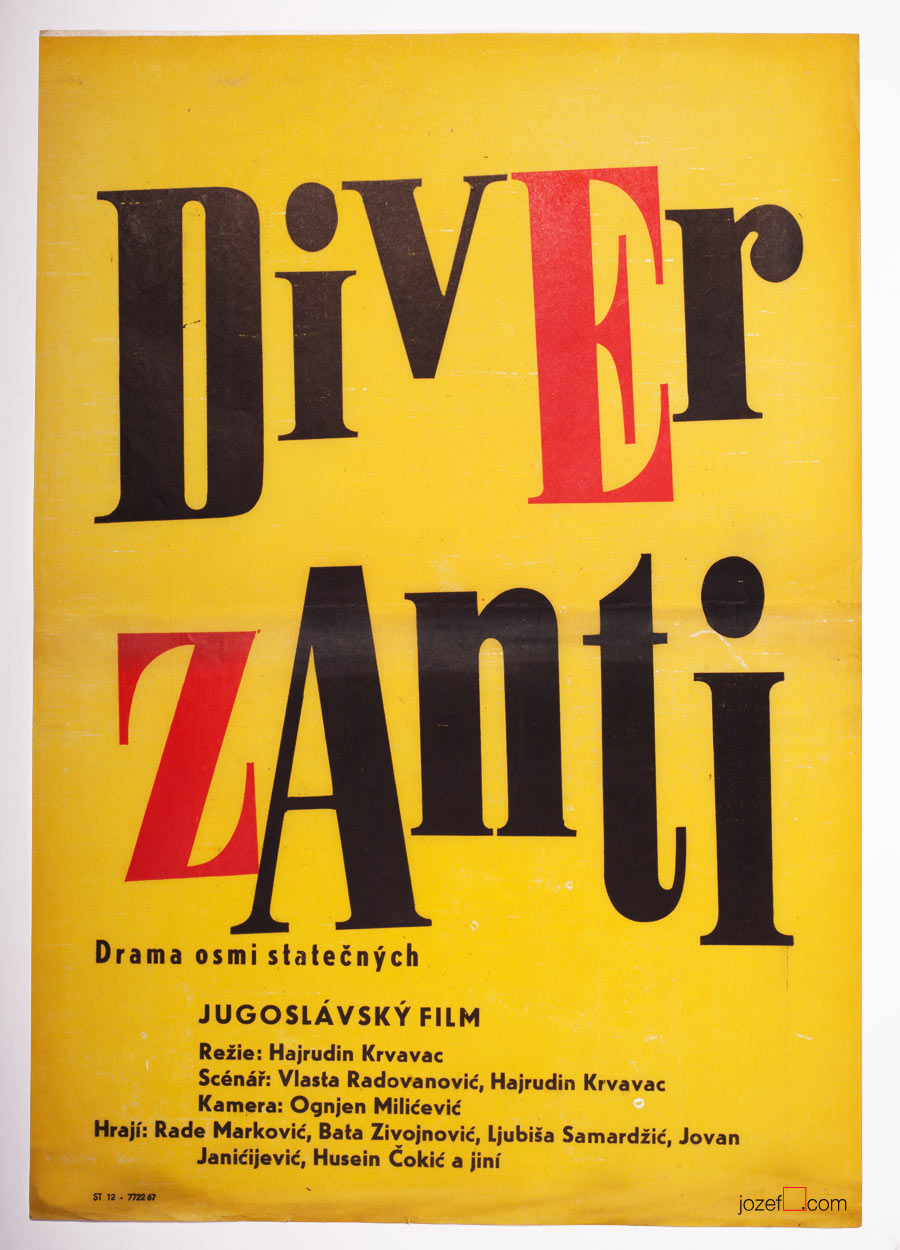
Symbols, hints and playful thoughts were always around poster making.

***

There is nothing unusual about Anonymous artists (if own decision), but being unknown artist in the discipline, where displaying signature is relevant/appropriate (n. Karel Vaca, Dobroslav Foll, Karel Teissig and others) raises several questions.

Earlier in the second part of our article on history of poster art  in Czechoslovakia we have mentioned censorship as the part / instrument of the Communist doctrine. Communist party was  the one and only expert on art, which might sound funny but the reality was not so much, Social Realism did exist, after all. In addition to films ÚPF (Ústřední Půjčovna Filmů/ Formal state distribution 1957 – 1991) was also commissioning movie posters. Both were deciding what could be shown in the cinemas. Were they somehow responsible for hiding artists identity?

***
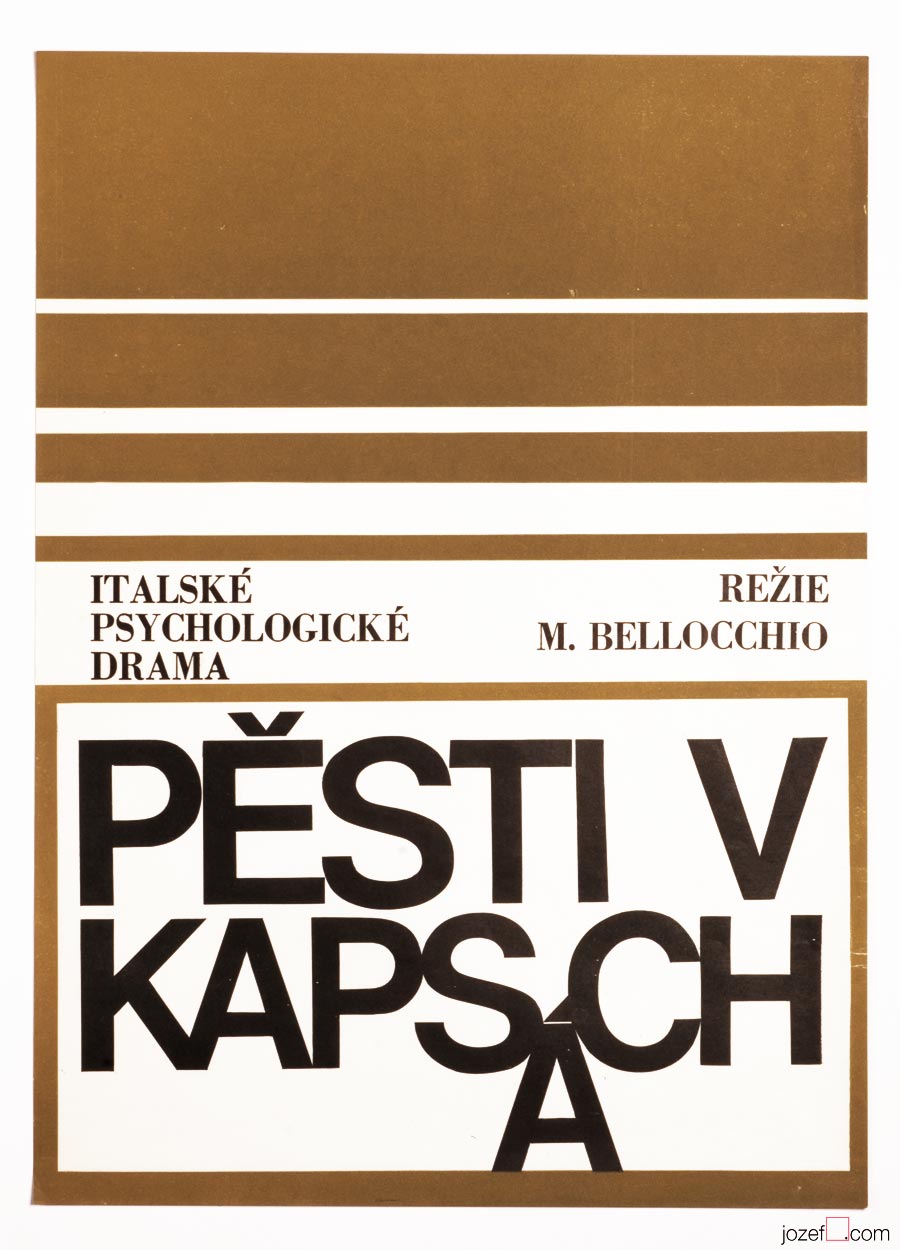
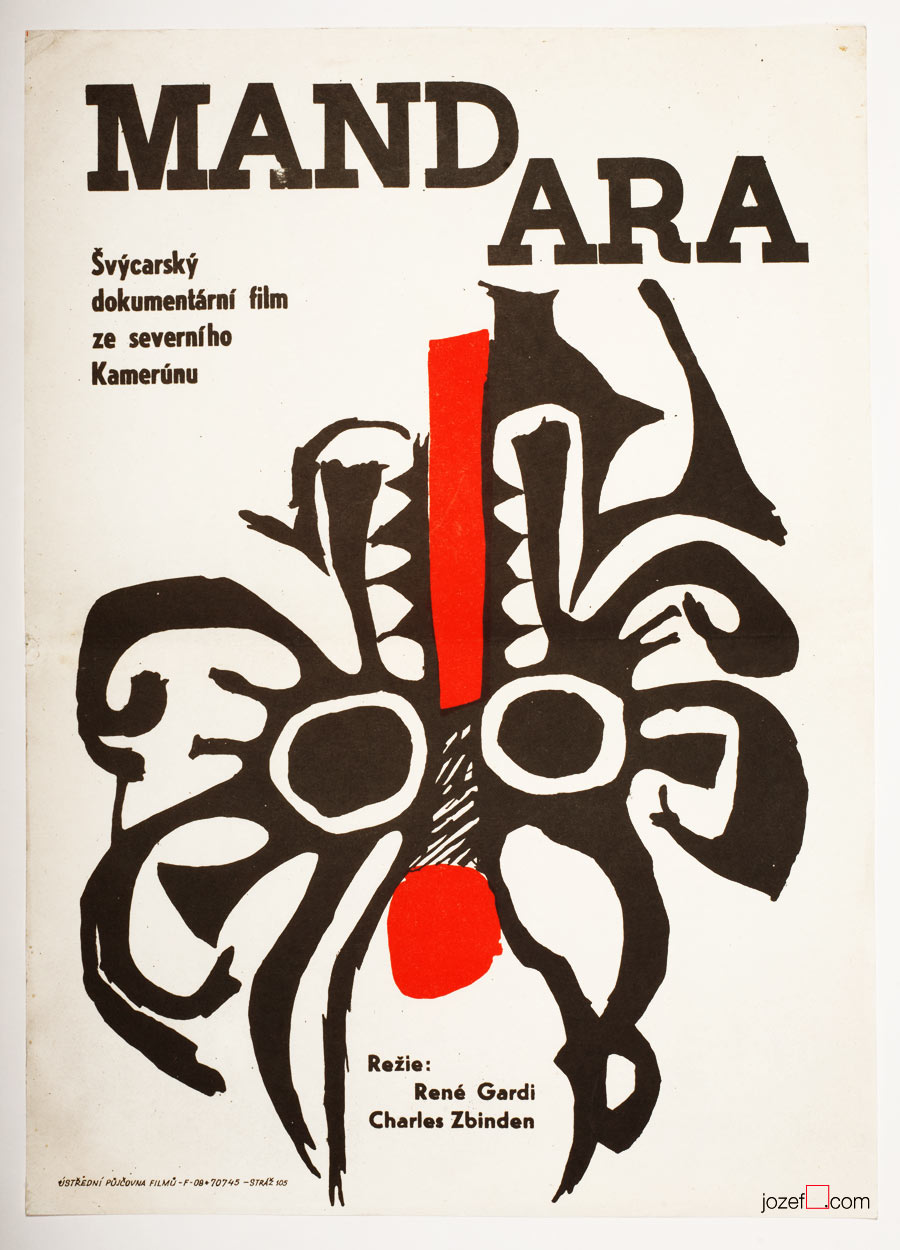
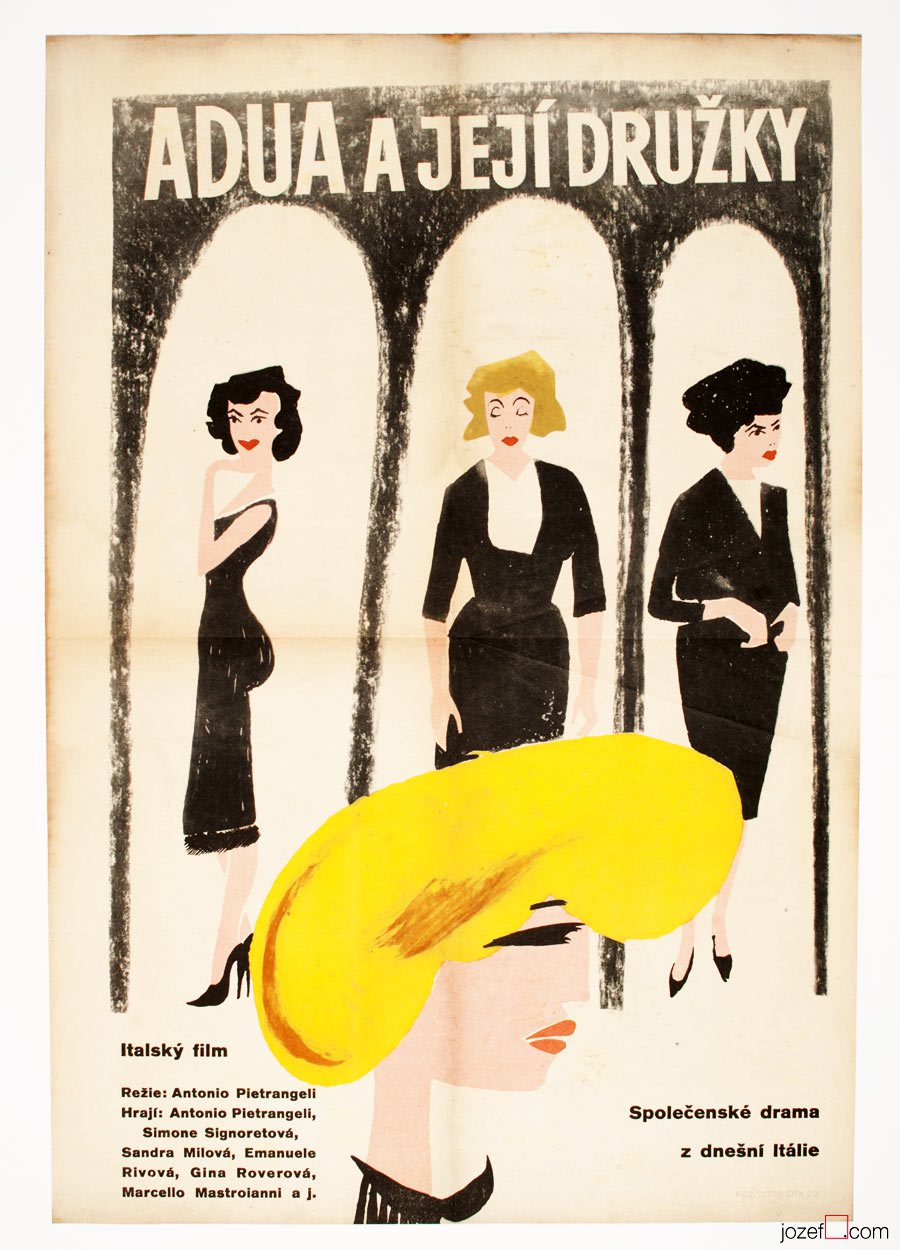
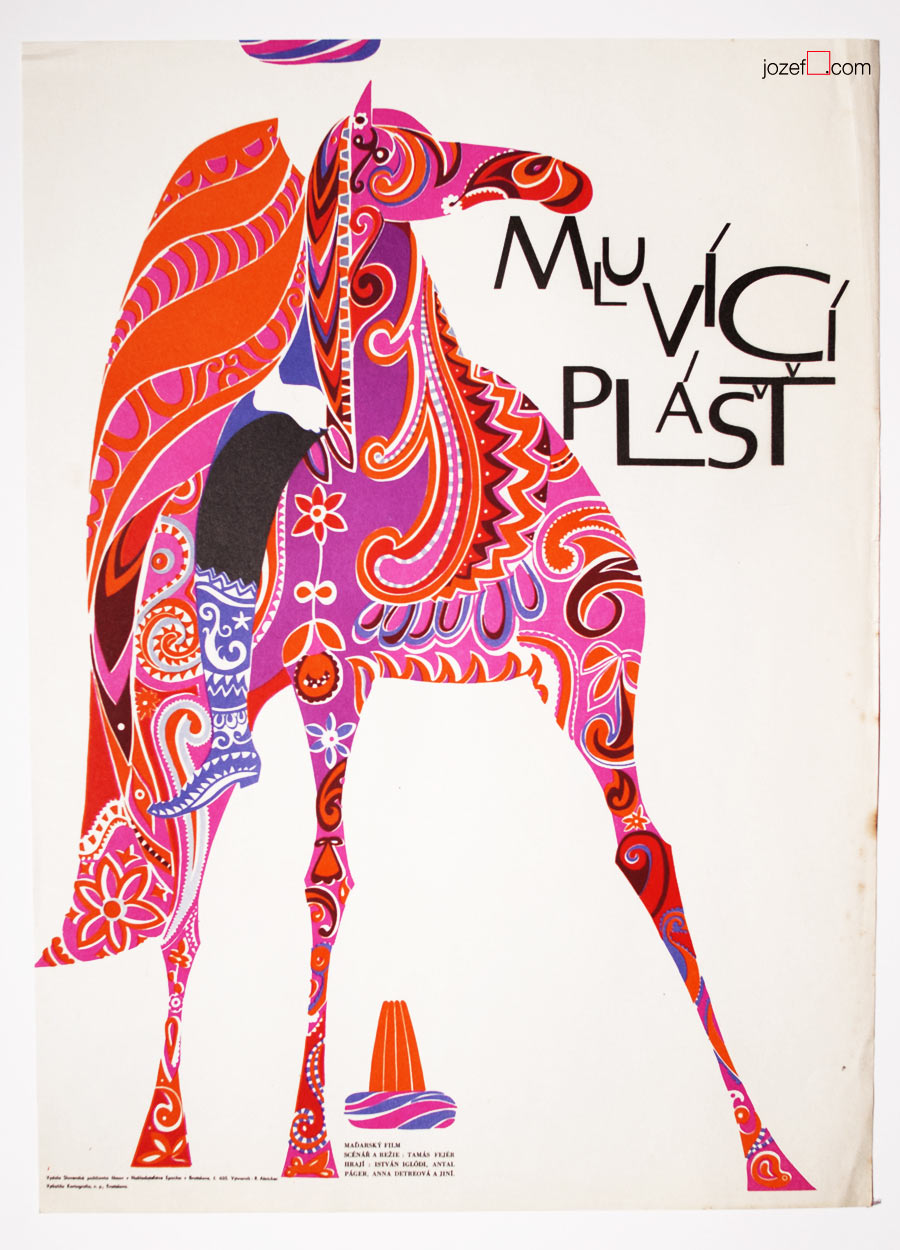
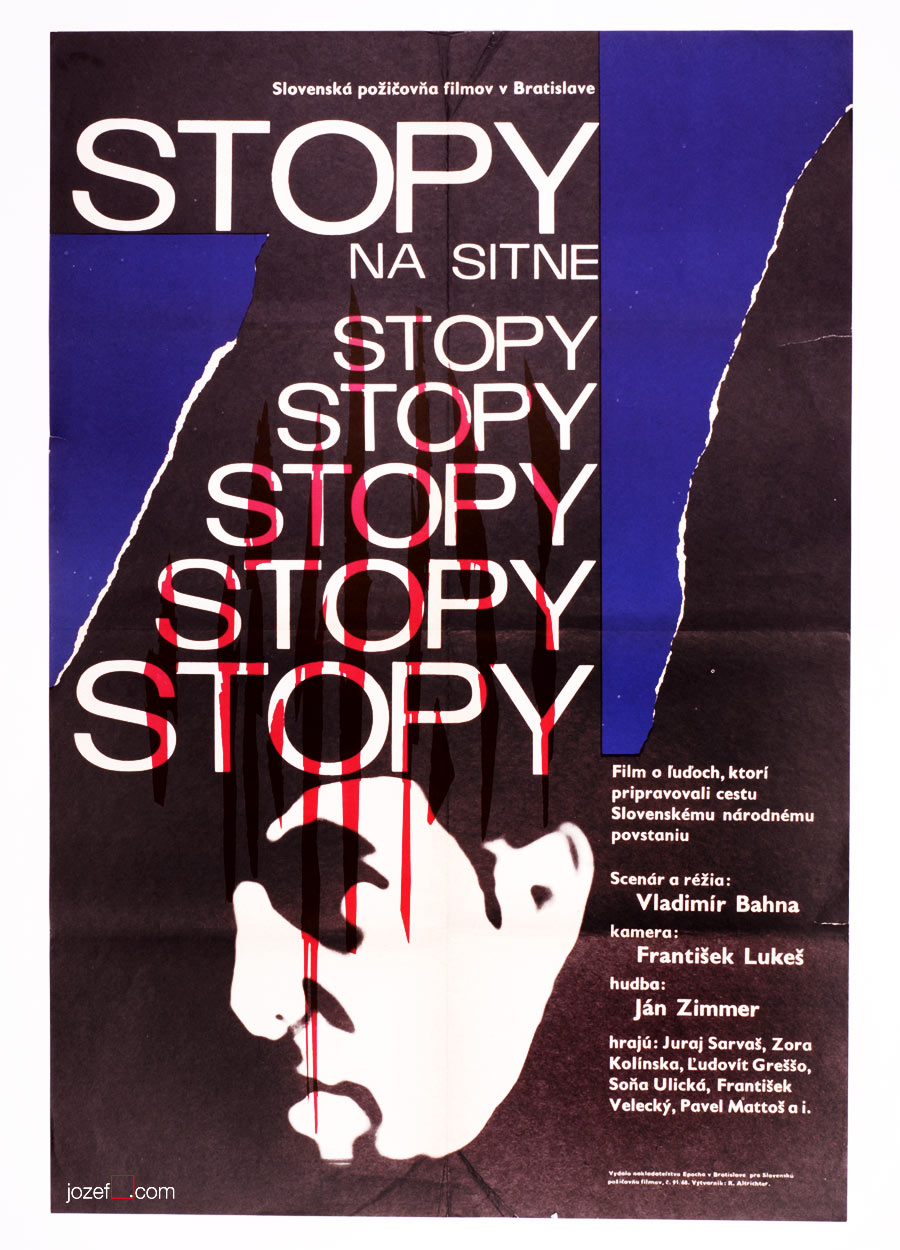
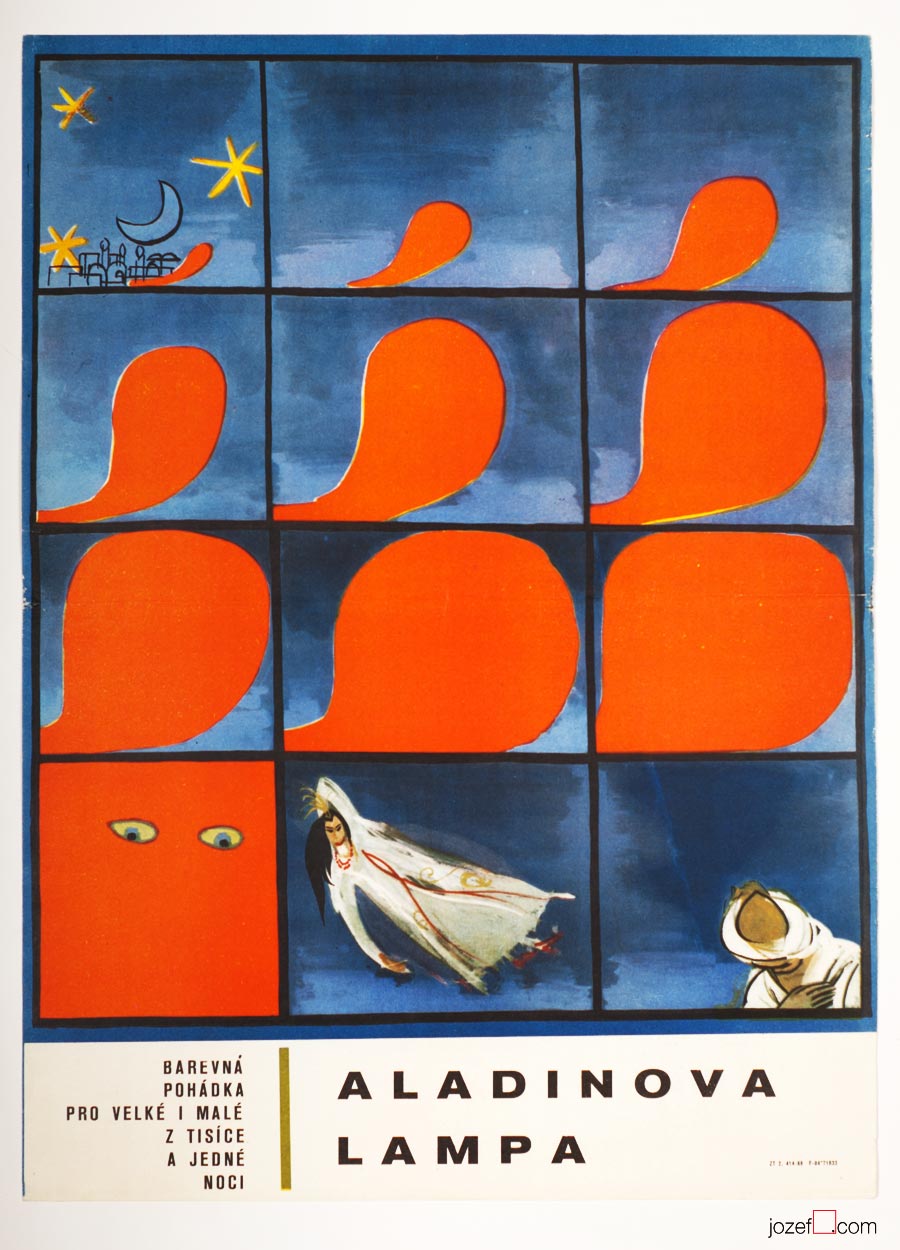
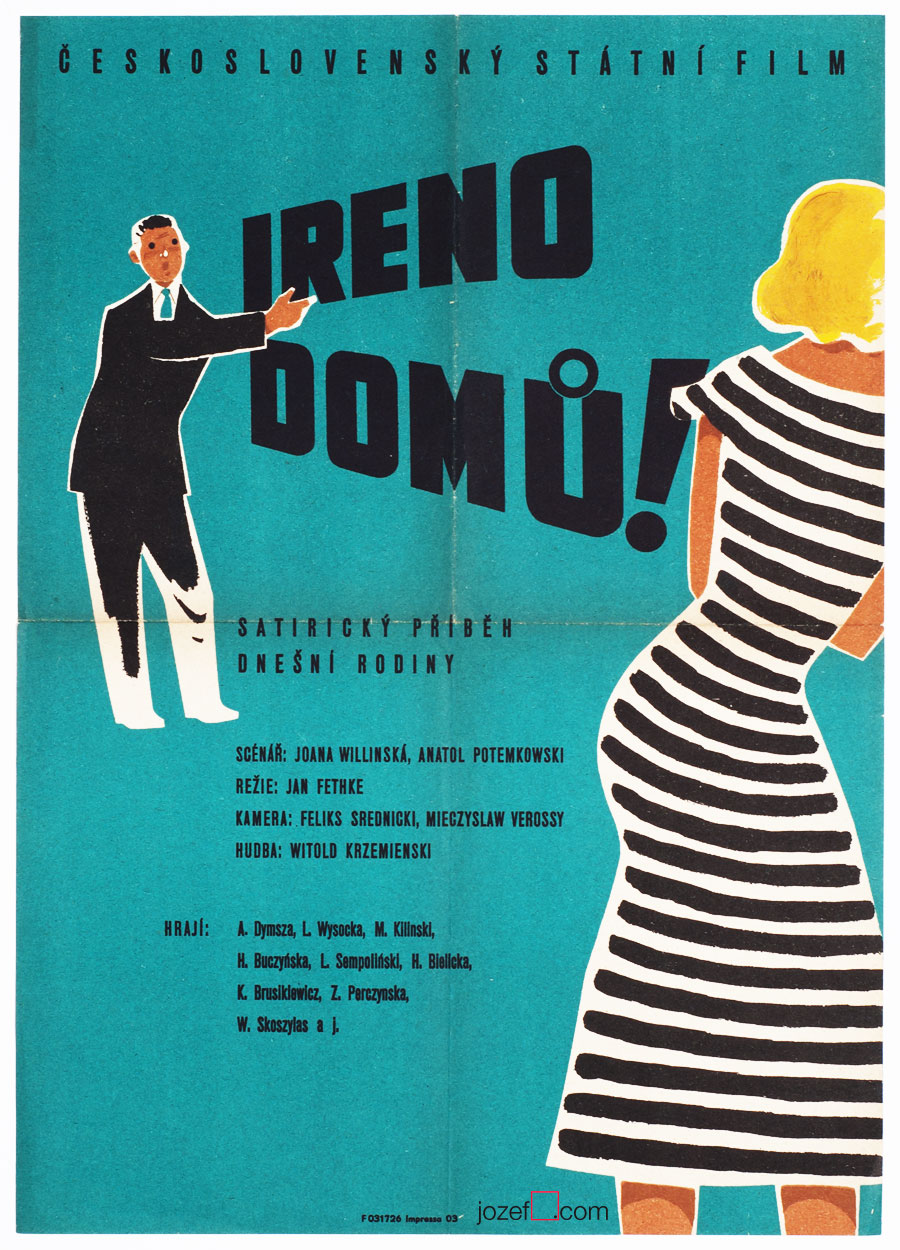
From Switzerland to Vietnam, poster designs made by Unknown Artists covered all sorts of spectacular, if not even controversial movies.

***

We know that the film poster committee always consisted of few graphic artists (2-3). They would constantly try to give green light to the proposed poster designs. Were they also turning the blind eye to help fellow artists (obstacle/potential traitors and pests[^1]) in getting at least some sort of a commission? We believe it could be possible as the demand for the movies was quite high and each movie had to have its own poster. Still, for some reasons several artists had to remain unknown.

***

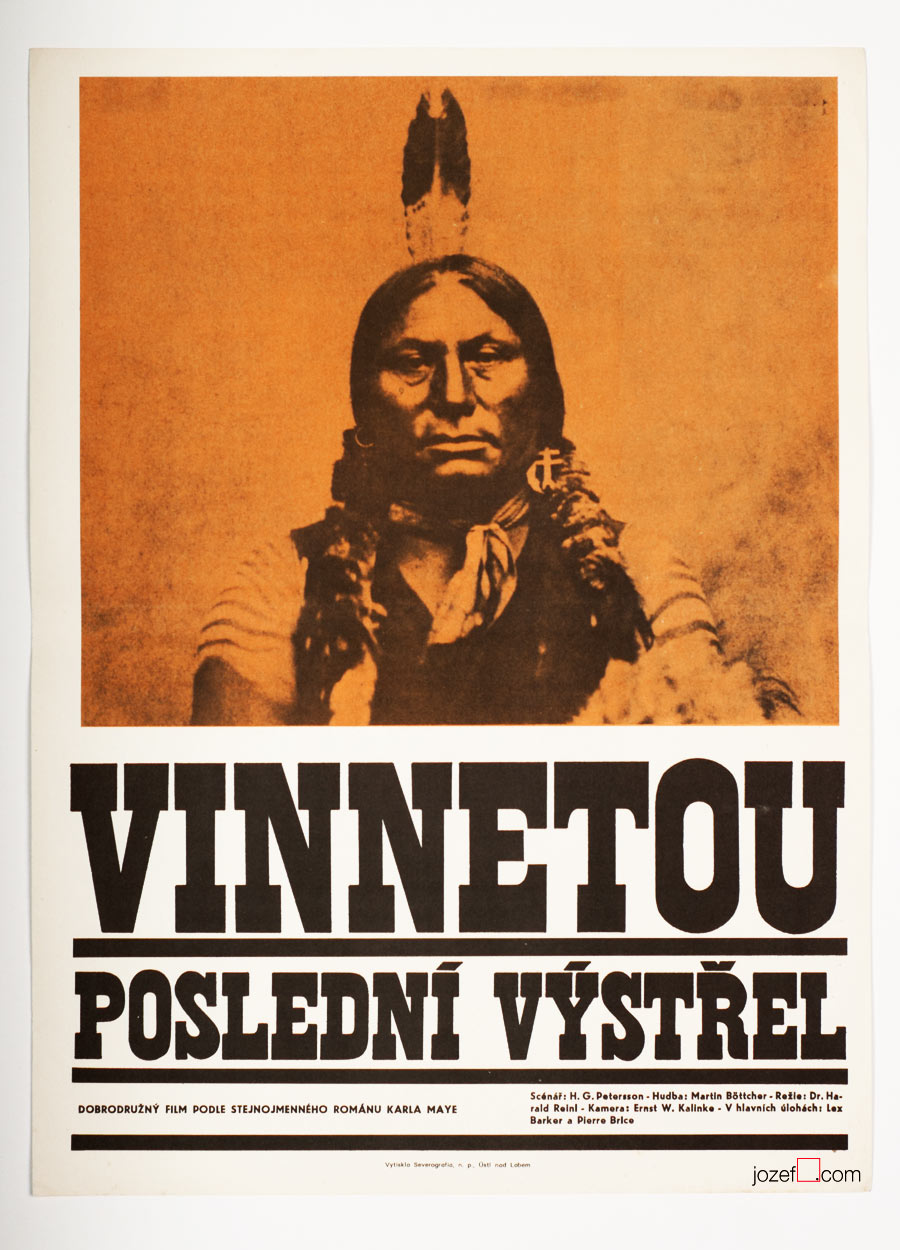
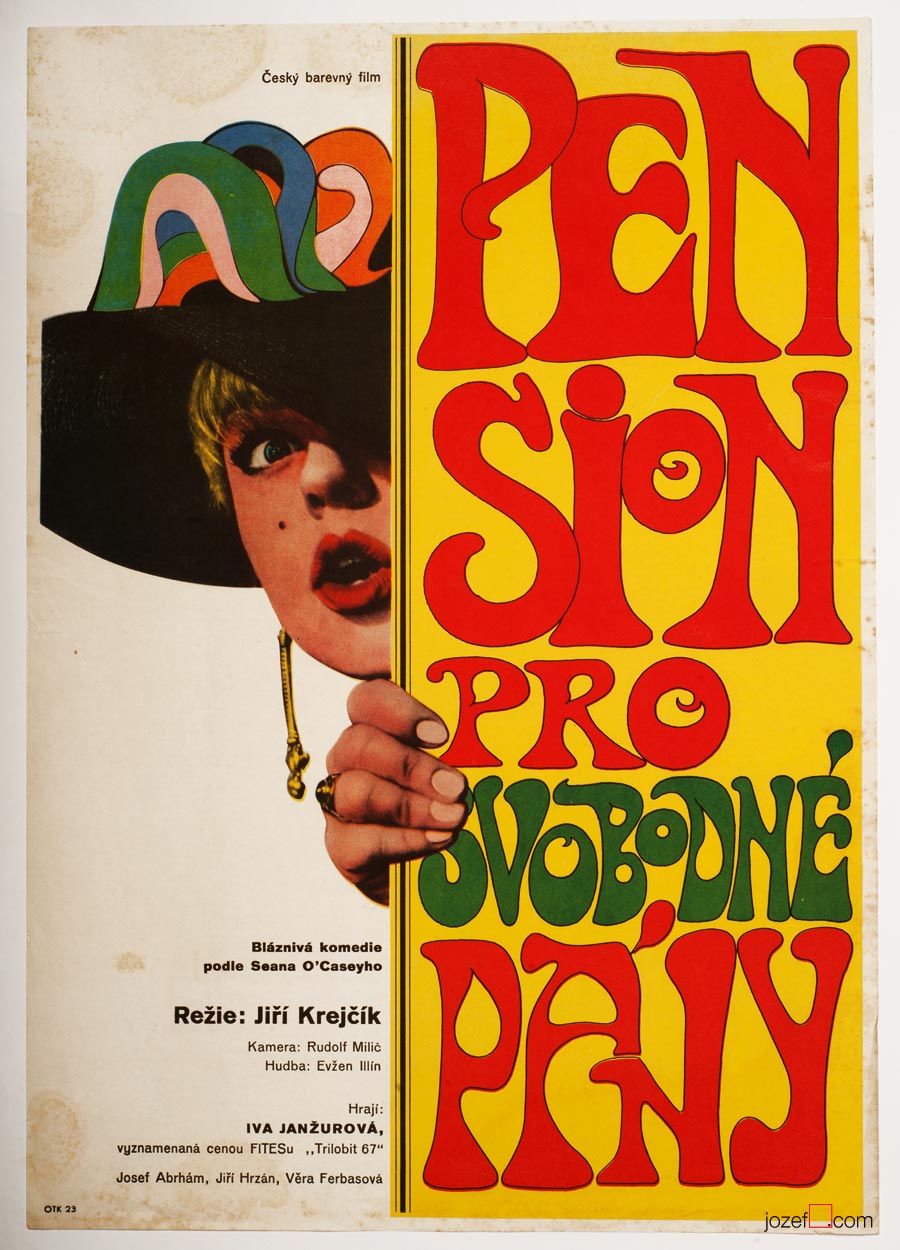
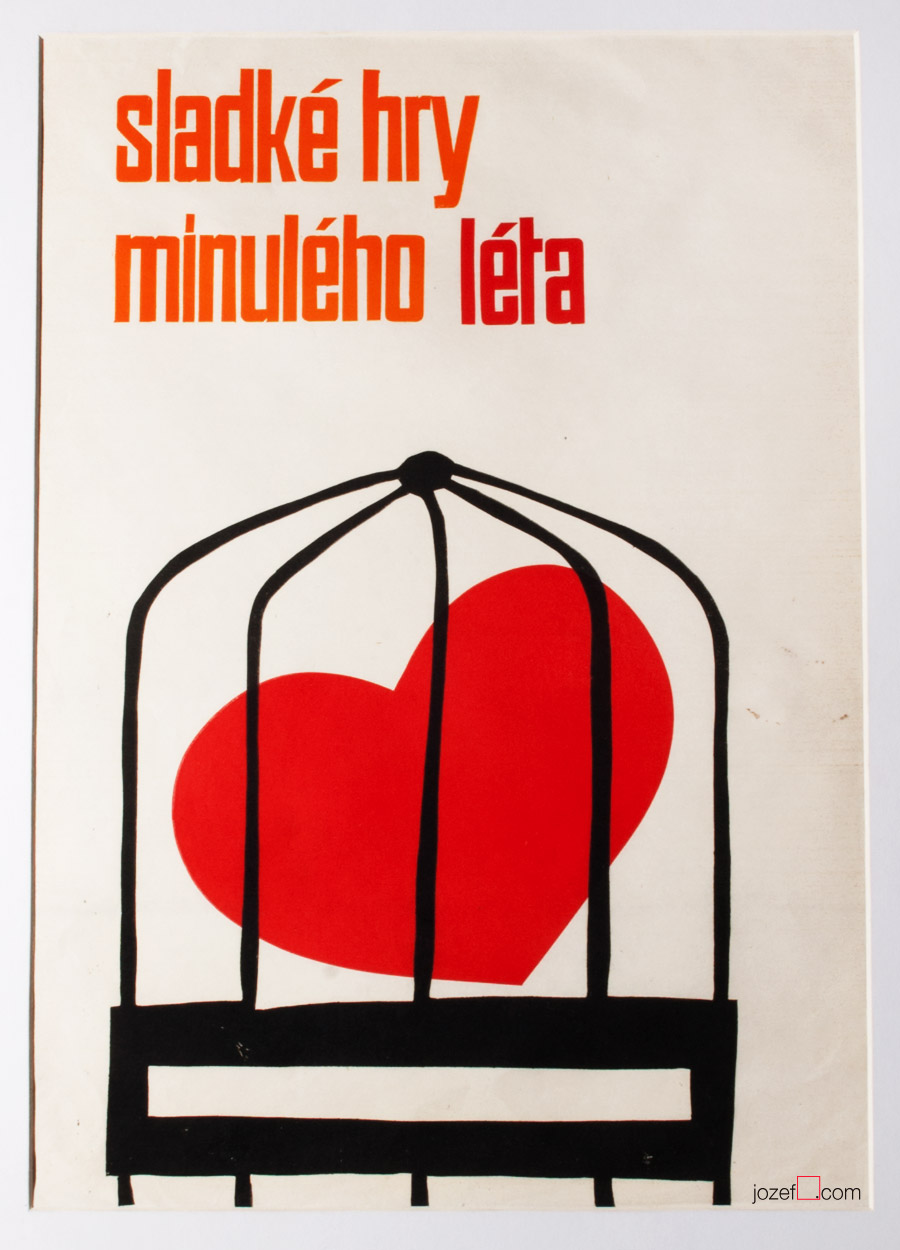
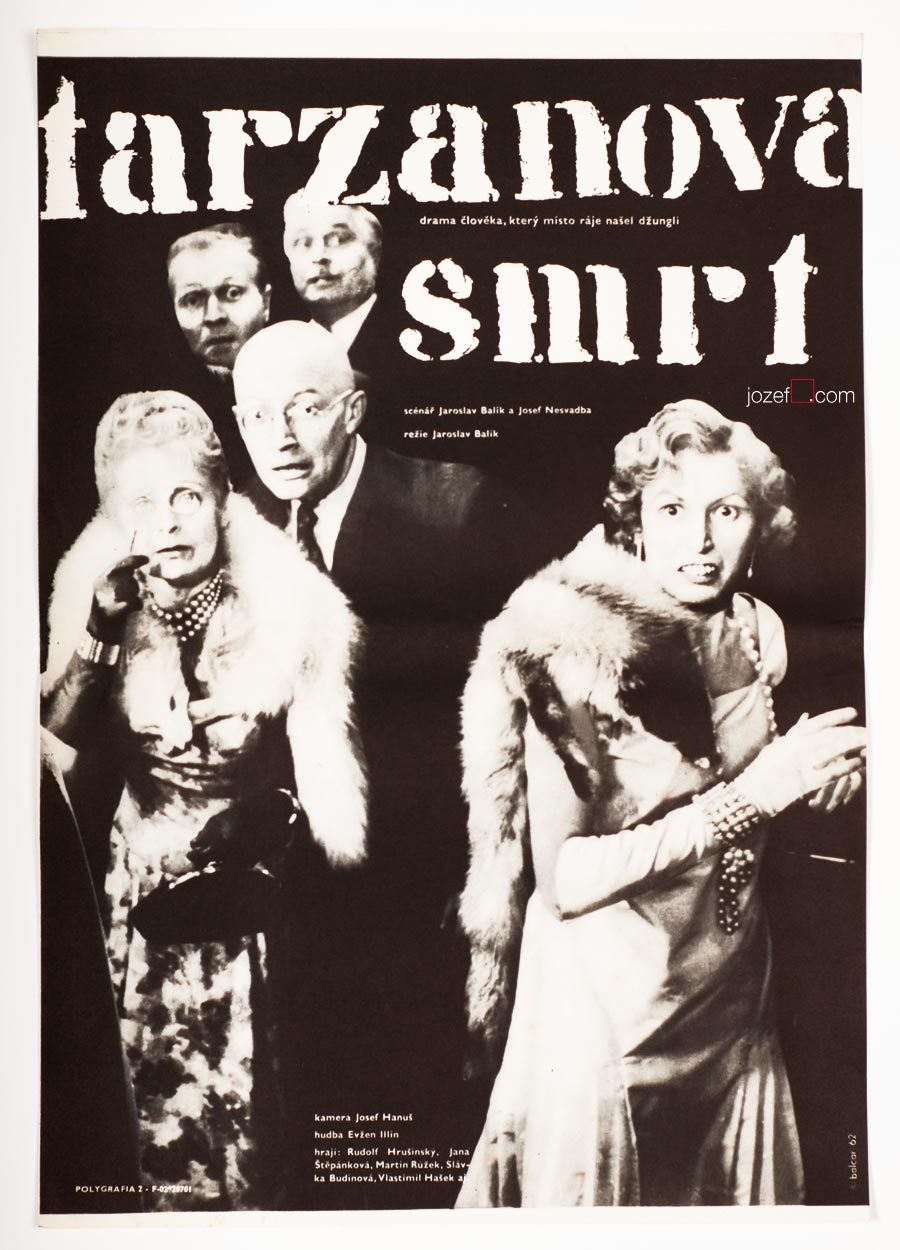
By the end of Sixties photography techniques were commonly used in various poster designs. Above another example of photograph overtaking the space.
The Sweet Games of Last Summer (1970), based on Guy de Maupassant’s novel was premiered in Czechoslovakia only once. Film directed by Juraj Herz (The Cremator) came back to distribution again in 1988[^2].
***

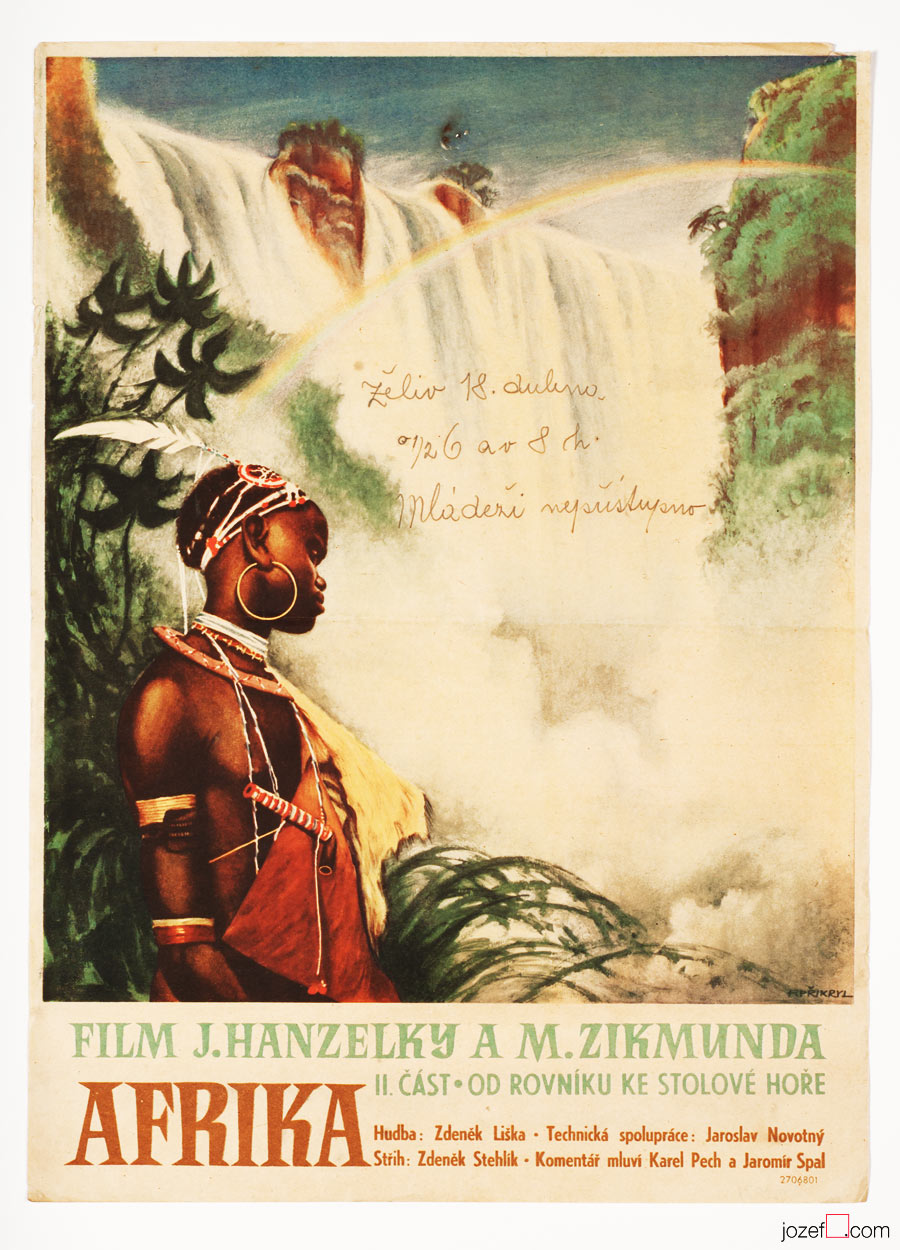
Looking at their movie posters many years later, we can observe some fascinating poster designs. They do not lack any of the visual qualities of other Czechoslovak poster artists. The pity is, they could never take part in any of the ongoing poster exhibitions of the time. We will possibly never be able to find out who were the authors of those magnificent movie posters, or how many artists were creating anonymously, but they surely deserve our appreciation. Until 1989 hundreds of poster designs were created by Unknown artists. There was no one to hide from after that.

***

Literature:

  • [^1]:  Toto čudesné 21.Storočie / This peculiar 21st century (unofficial translation), Tomáš Štrauss, Kalligram 2009. (Book is not so much about the movie posters, but Tomáš Štrauss, expert on Totalitarian, art critic/historian, said it to the point)
  • [^2]: https://sk.wikipedia.org/

Note on previous articles:

Other posters designs by Unknown artists on jozefSquare.

For shop and blog highlights SUBSCRIBE to our newsletter.

Similar Posts

  • Poster Designs / Sixties – Jiří Balcar. The Story of Film Posters.

    Film posters in history. Sixties poster designs.

    Poster Designer / Jiří Balcar

    Painting / Graphic Art / Typography

    The Death of Tarzan, Film poster, 60s Poster Art
    The Death of Tarzan movie poster by Jiří Balcar, 1962.

    ***

    • 26th of August 1929, Kolín
    • 28th of August 1968, Prague

    Education:

    • 1947-1948, Philosophical Faculty of Charles University in Prague
    • 1948-1953, Academy of Arts, Architecture and Design in Prague (prof. F. Tichý, F. Muzika)

    Awards:

    • 1960, The most beautiful book of the Year, (Brno ?)
    • 1962, Toulouse-Lautrec Prize, Paris (film poster Moby Dick)
    • 1964, Honorable Mention, First Czechoslovak Showcase of Poster and Promotional Graphic Art, Brno[^1]

    Film posters created: 34 (1960-1967)[^2]

    ***

    Excellent 60s poster design by Jiri Balcar
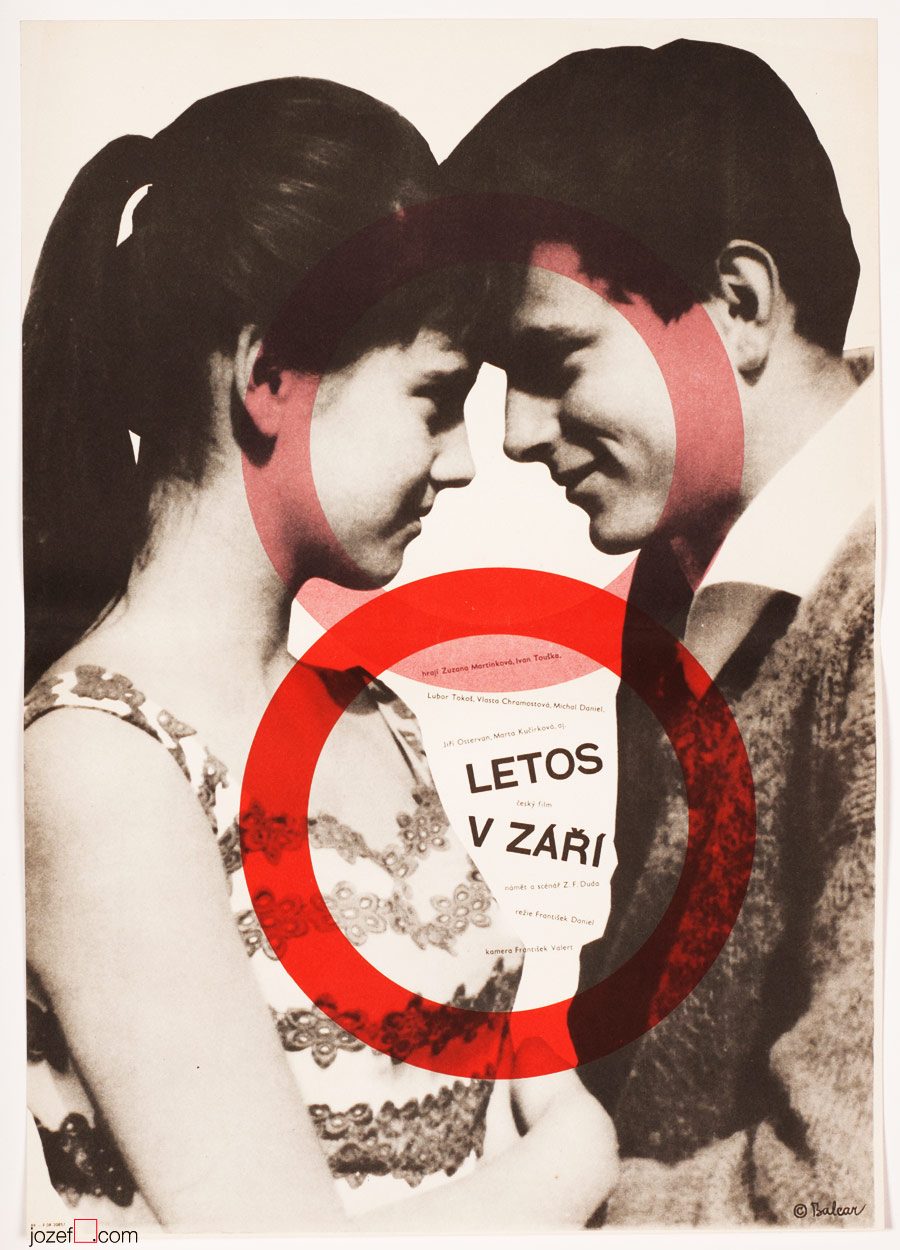
    This Year in September movie poster by Jiří Balcar, 1963.

    ***

    Czech artist Jiří Balcar could easily belong to one of the most fascinating poster designers of the Sixties. It’s hard to judge by the small number of his posters in our collection, but his artwork as we are finding out, spreads all across the globe (short list bellow). Internationally started off at Farleigh Dickinson University in Madison (New Jersey) where he took part in International Invitational Seminar of Art, followed by exhibition in New York in 1964[^3] , Berlin (1965-66) and Wien (1966). Paris exhibition in Musée d’Art Moderne (1969) was held soon after his early death in 1968.

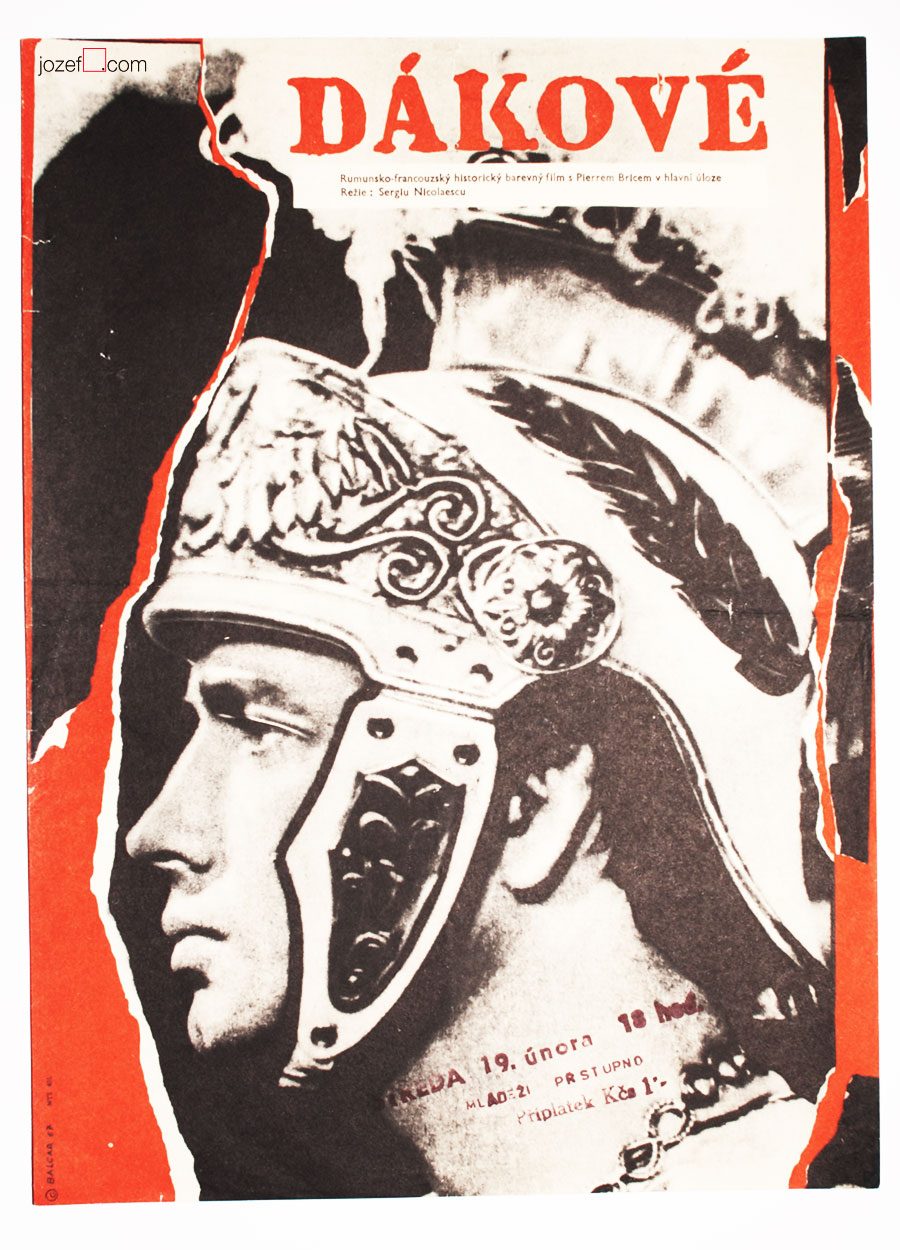
    A wide spectrum of his artistic experiments are brought in from the painting and are reflected in his poster designs. Extensive use of letter templates, sometimes broken into separate parts, wise and bright selection of colours (unless Monochromatic, or sensible mix of both), unconventional use of photography and perfect understanding of space. His faceless figures, motif reappearing on several of his paintings, could become alive only on the film poster.

    ***

    Movie poster, The Dacians, 60s poster design
    The Dacians movie poster by Jiří Balcar, 1967.

    ***

    Jiří Balcar was the member of several art groups.

    ***

    His artwork takes place in collections of museums and galleries worldwide. We have picked little selection with direct links.

    • The Baruch Foundation (impressive collection of Jiří Balcar‘s portfolio and other artists from behind the “Iron Curtain”), Chicago, Illinois, USA
    • Art Institute of Chicago, Chicago, Illinois, USA
    • The British Museum, London, United Kingdom
    • Centre Pompidou, Paris, France
    • Czech Museum of Fine Arts, Prague, Czech Republic
    • Museum of Modern Art, New York, New York, USA
    • National Gallery of Art, Washington, DC, USA
    • Royal Museum of Fine Arts, Copenhagen, Denmark
    • Smart Museum of Art, University of Chicago, Chicago, Illinois, USA
    • Stedelijk Museum, Amsterdam, Netherlands

    ***

    Note: this showcase is part of our ongoing article Film posters / Made in Czechoslovakia. The story of film posters.

    Sixties film posters available in our shop.

    ***

    Literature:

    • [^2]:  Flashback / Czech and Slovak Film Posters 1959-1989, ed. Libor Gronský, Marek Perůtka, Michal Soukup, Olomouc Museum of Art, 2004. (p.41)

    Online resources:

    ***

    For shop and blog highlights, please SUBSCRIBE to our newsletter.
  • Poster Designs / Sixties – Jaromír Bradáč. The Story of Film Posters.

    Film posters in history. Sixties poster designs.

    Poster Designer / Jaromír Bradáč

    Graphic Art

    Pasha, original film poster, poster art
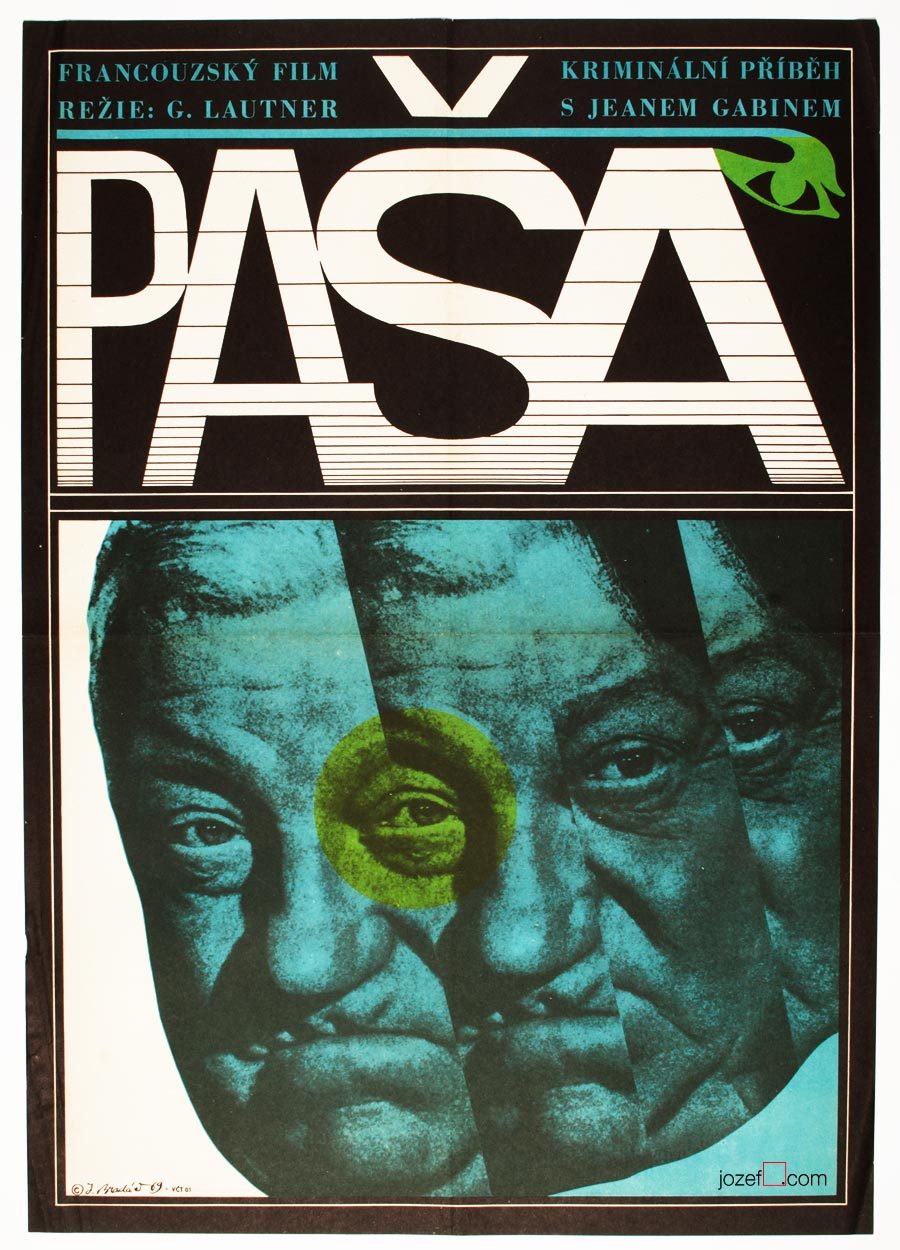
    Pasha, Jaromír Bradáč, 1969.

    ***

       Movie poster shown on the picture above has been seen previously in one of our articles on History of Poster Design in Czechoslovakia. It did not stop us from refreshing the memory as we are strongly effected by its expressiveness. Jean Gabin‘s common impression for every French born was broken into uncertainty. Divided into parallel fields as in the rhythm similar to main theme of that phenomenal soundtrack composed by Serge Gainsbourg. Music moves on as we can see even on the letters, one can hear the most peculiar sounds.

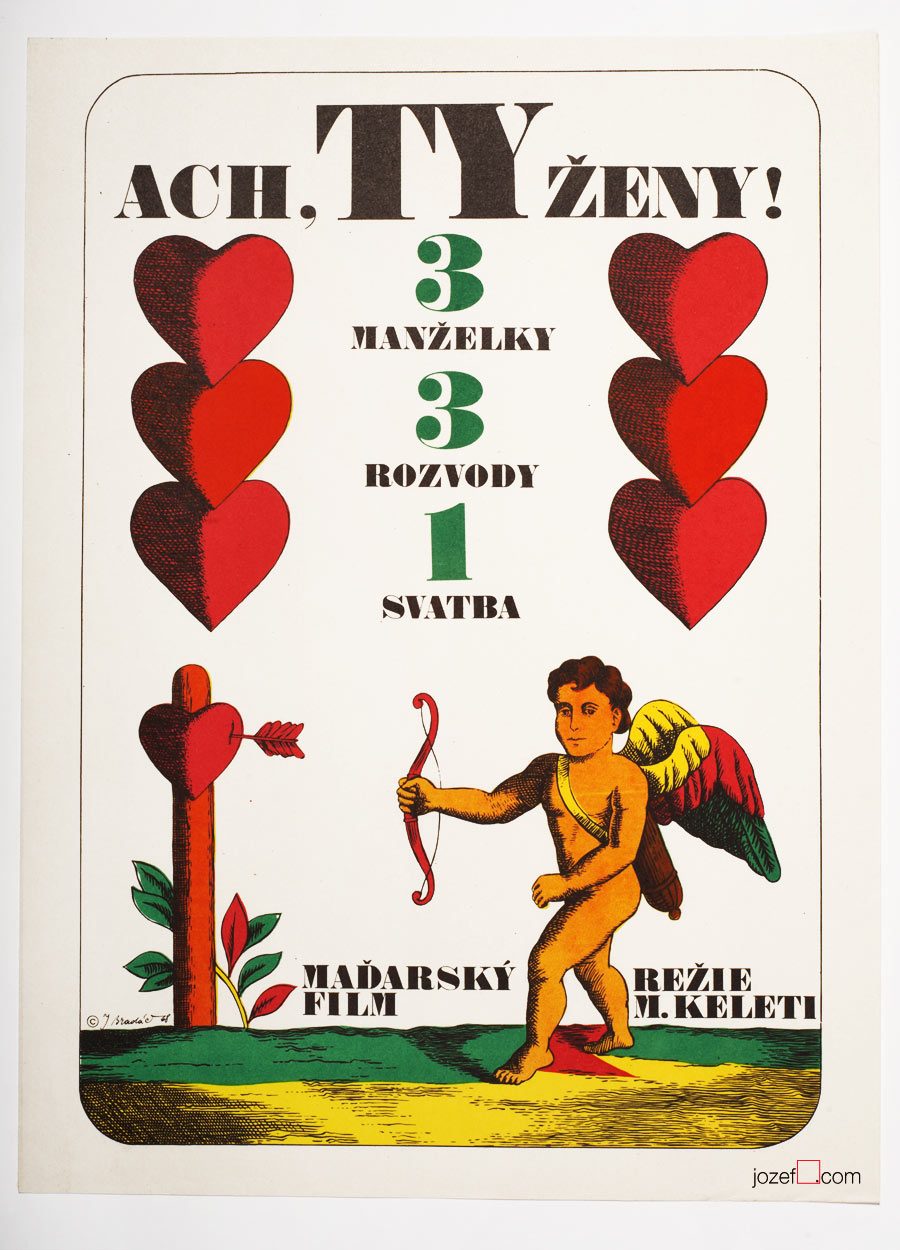
    Mysterious poster for Georges Lautner‘s film is hiding one extra mystery and that is the poster designer himself. Jaromír Bradáč remains the one, or at least for now. You can count number of his film posters on your left hand and that’s about everything we could track on this fantastic graphic designer. Hopefully the future will show some more light about him, as we believe five film posters is not everything he did.

    ***

    Film poster, 1960s poster design
    A Study About Women, film poster by Jaromír Bradáč, 1968.

    ***

    Note: article is part of  Film posters / Made in Czechoslovakia. The story of film posters.

    You can explore other interesting film poster designs made in Sixties available in our poster shop.

    ***

    For shop and blog highlights, please SUBSCRIBE to our newsletter.
  • Milan Grygar, Revisited, PF 2016

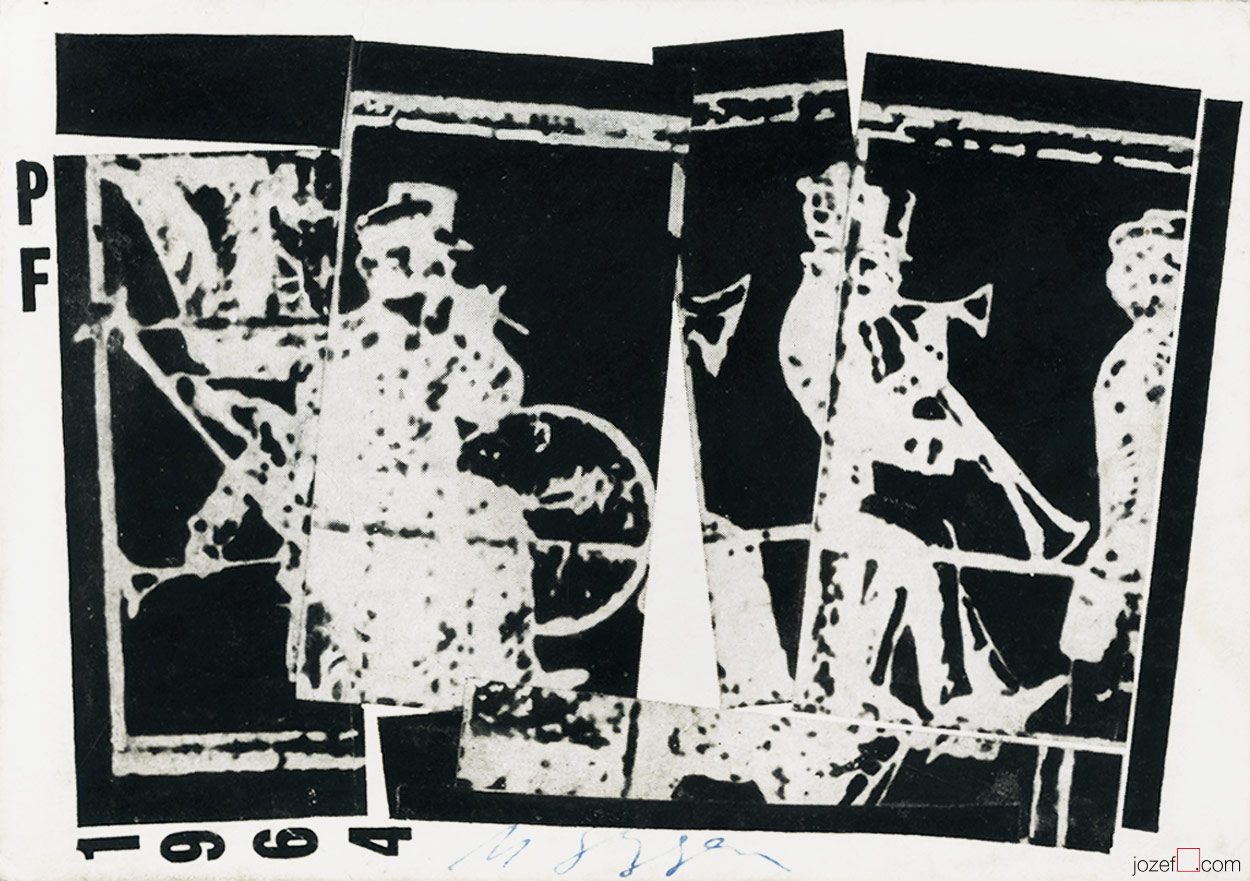
    If you would hang around Milan Grygar in mid 1960s, you could possibly get similar New Year’s greeting card.

    Milan Grygar, PF 1964, New Year's Card
    PF 1964, Grygar Milan

    Thanks to everyone for all the wonderful support on our exciting movie poster research.

    P.F. 2016,

    Judy & Jozef

    ***

    For shop and blog highlights, please SUBSCRIBE to our weekly newsletter.

  • Film posters / Made in Czechoslovakia. The story of film posters. Take 1.

    Film posters in history. Poster story in few takes.

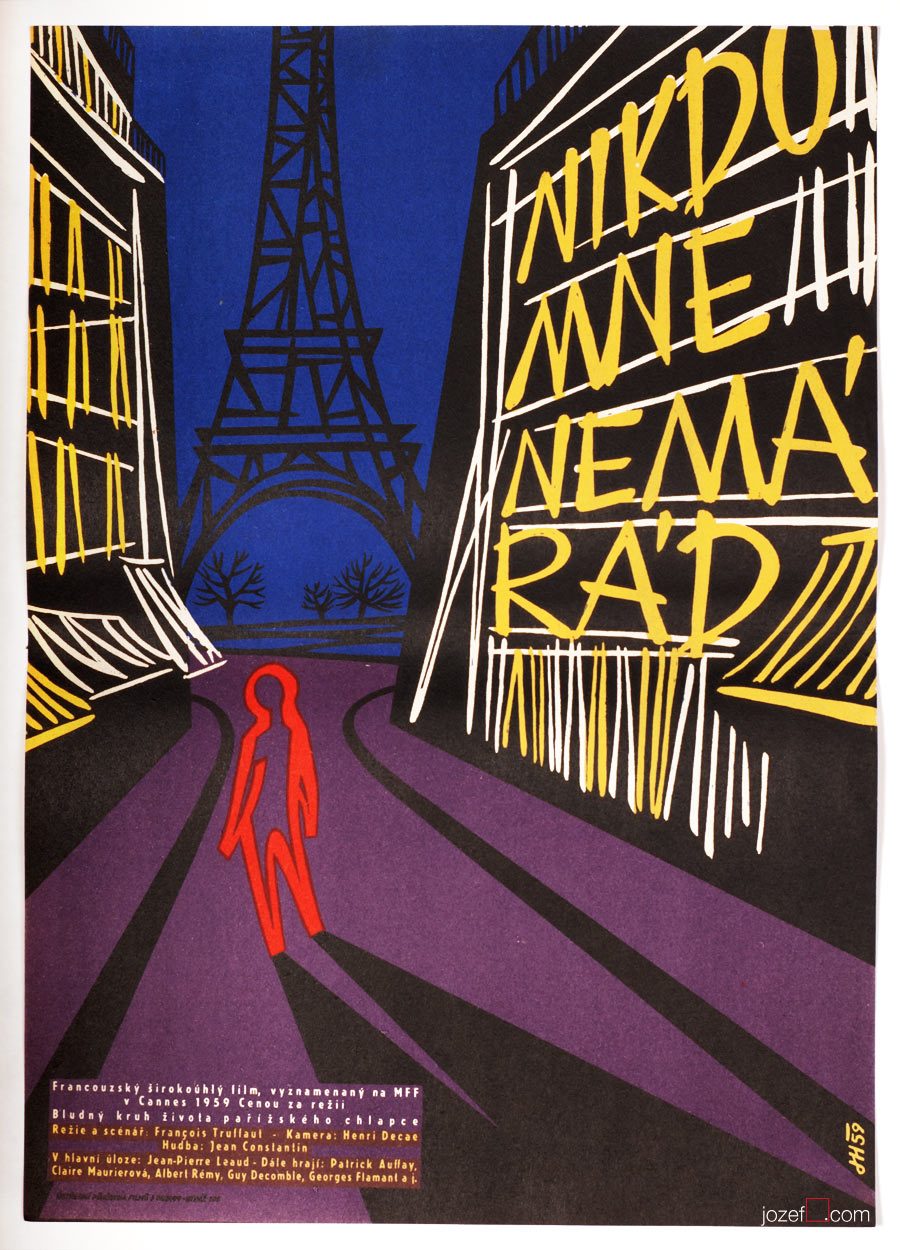
    The 400 Blows, Francois Truffaut, 50s Movie Poster
    The 400 Blows / Francois Truffaut, movie poster by Josef Hvozdenský, 1959.

    EXPO 58 – Brussels and travelling

    It was not likely until 1958 EXPO show in Brussels when Czechoslovakia suddenly reappeared in the world wide art discussion. Overleaping thickness of Communist propaganda was overshadowing the cultural existence not only for another side of the Iron curtain. No wonder, as Stanislav Kolibal, one of the most refined Czech artist / sculptor recollects in his interview for Czech radio broadcast:

    [quote]”Travelling before 1957 was just not happening.”[/quote]

    It was not happening after that either, but things were a bit smoother and significantly moving towards lots of explorations.

    • typical early example of the “Noodle” shaped film poster, returning as an idea back in 60s without any further success.

    • film posters following old poster traditions.

    • 50s film posters came very rarely with the signature.

    Early days of film posters.

    Unhealthy political regime in Czechoslovakia had very strong impact on cultural distribution within the country. Country was perfectly sealed off. Presence of cold war was also effecting the possibilities of any official cultural exchange. Art making was going through all kinds of metamorphosis, but in reality it only had one face. That face was called Social Realism and it had very clear, strong and long lasting statement. Visual disillusion would chase one everywhere. And if a little flag was’t displayed on the window seal on the 1st of May, one would be chased by someone else, too. Simply put; politicians were using art for their own propaganda and there was no way around it. Or maybe there was?

    • fascinating starts from the “old school” representatives. Many artists were trying to cover the new medium. By the end of 50s poster still did not have that film look.

    Film poster in Czechoslovakia was also going through many changes before it meets the doors of collectors and film festivals. All sorts of artists were trying out to fit the new medium, but it was not until early sixties when fresh new ideologies were presented in both films and similarly in film posters design. Poster designers had it very hard to make pleasing posters for bad propaganda or WWI-II films at the beginning. Significance of EXPO 58 and sudden interest of politicians in foreign currency from the fresh source[^1] turned a blind eye on art scene ever since. Censorship however remains necessity.

    Adolf Born is getting involved in poster making.

    • another famous Czech sci-fi books illustrator Teodor Rotrekl designs several film posters.

    Censors in form of critics were very much responsible for the public picture. That could never lack enough sympathy for the comrades from the Soviet union / countries of Warszaw pact and on the other hand it had to be critical enough towards anything coming out from the west.
    In visual art weird symbols of the era were the most preferable. Motifs of smiling women standing behind the factory machine pretending they do enjoy the heavy work and at the same time they are equally helping in cultivating the nation. This and similar images, everyone possibly came across when they say Communism, were implied in every possible media and censors had to make sure there was enough of it visible.

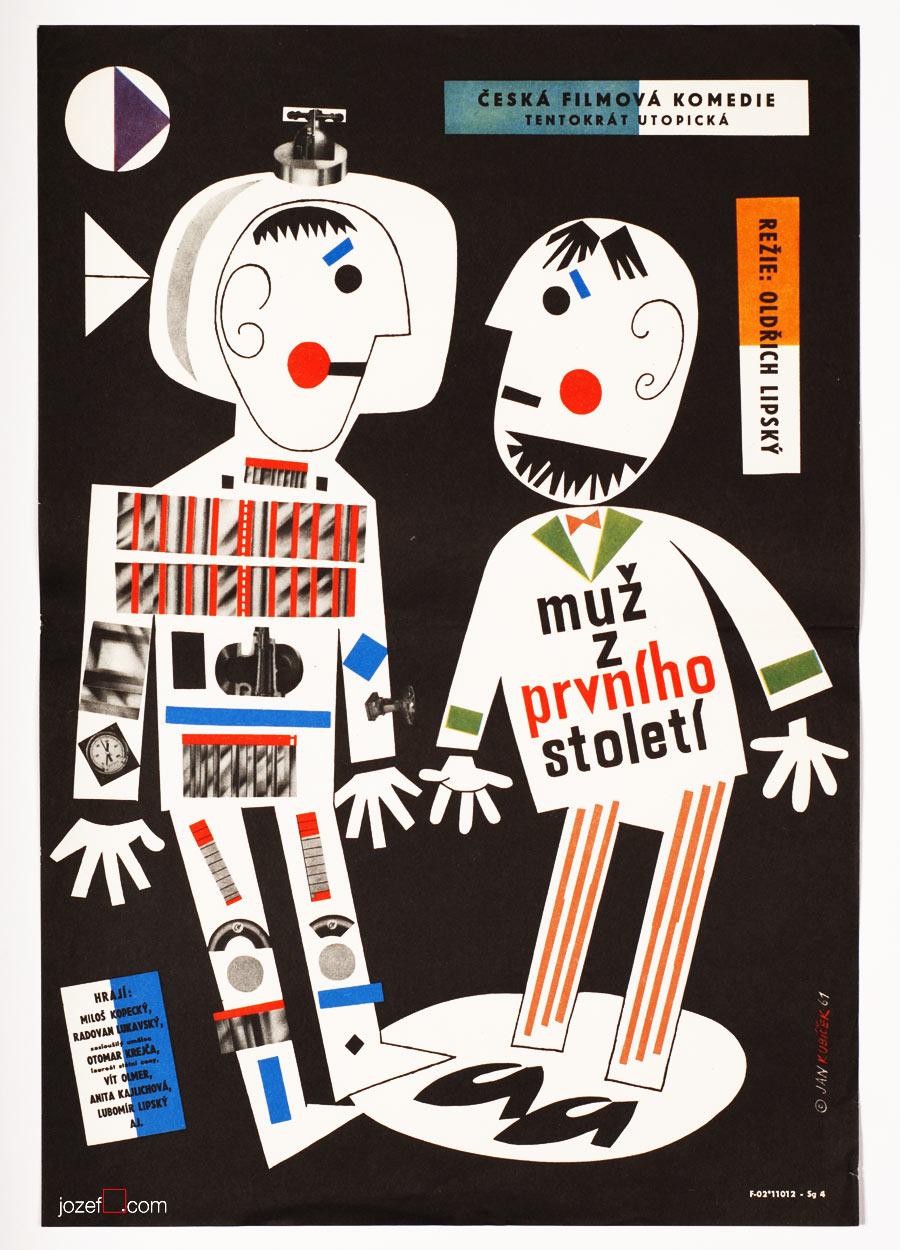
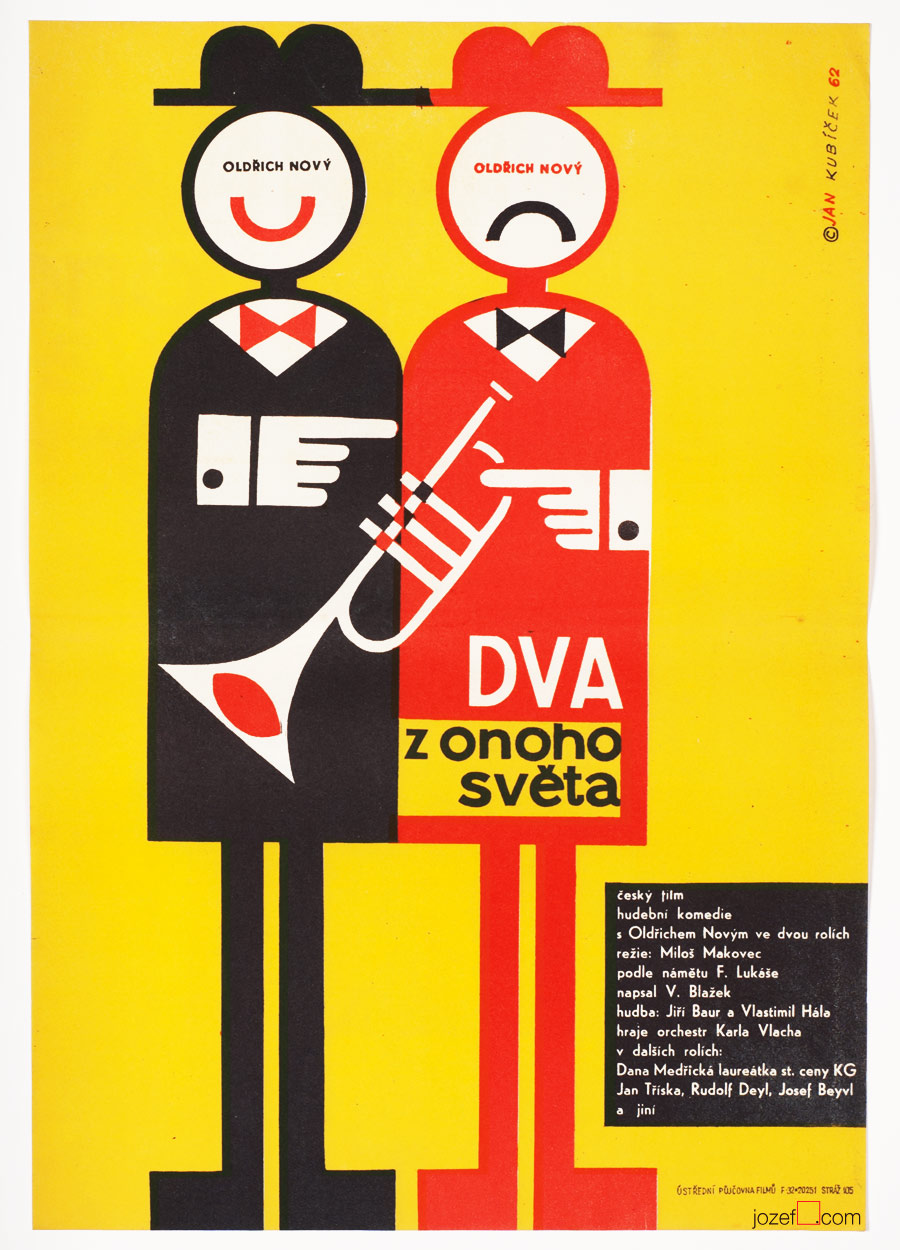
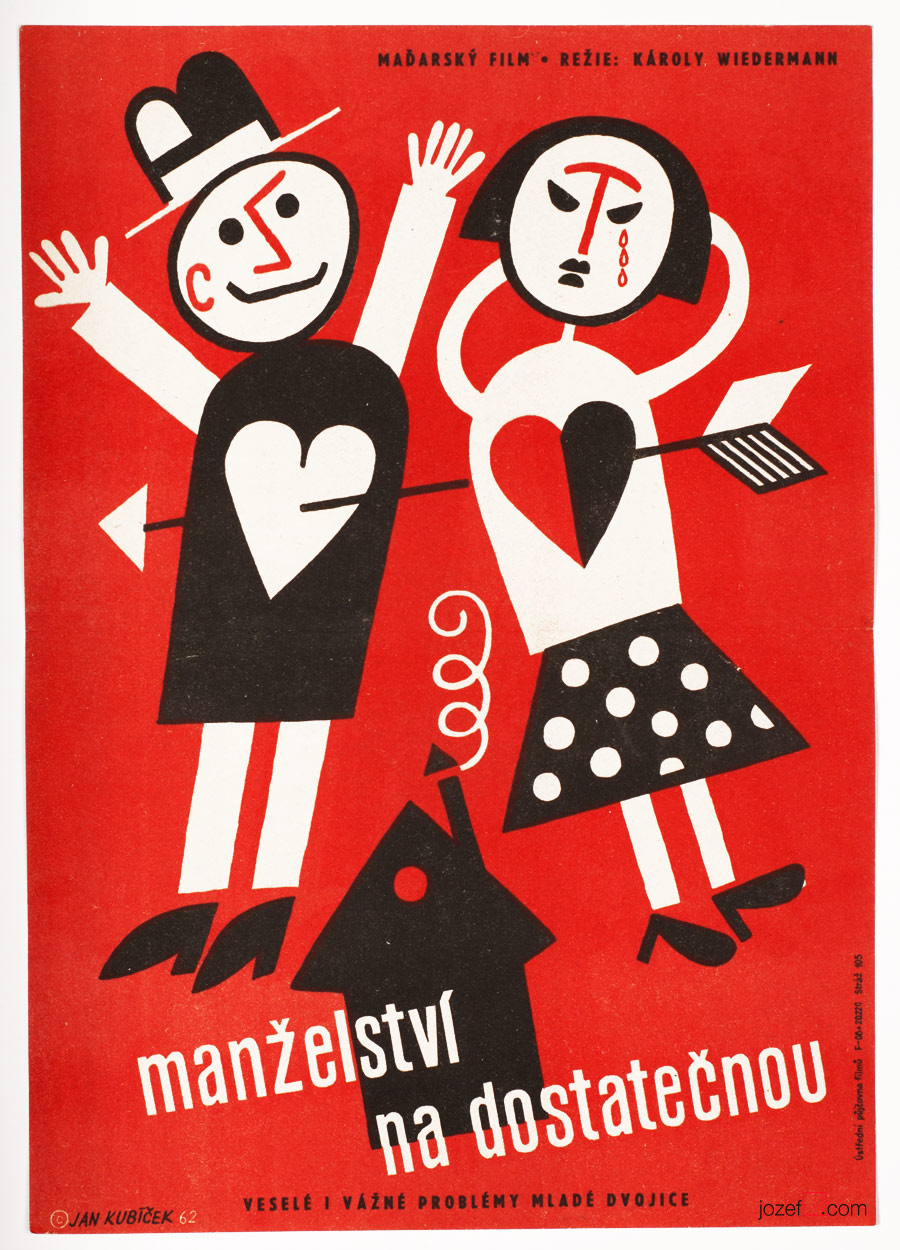
    • playful illustrations and collages of Jan Kubíček were accompanying Czechoslovak film poster all the way to seventies.

    • photograph stretches all across the poster.

    Thankfully not all of the art disciplines were destined for an extinction. Illustration, animated films as well as film posters remained intact with only few slight obstacles.[^2] By the beginning of 1960s several renown artists, graphic designers and illustrators such as Bedřich DlouhýMiloš Reindl, Richard Fremund, Zdeněk Palcr, Karel Teissig, Jaroslav Fišer were shaping up the future visuals of film posters. When award winning poster and graphic designer Zdeněk Ziegler meets the official film posters committee for the first time, he remembers his feelings were strongly in favour of his critics.

    [quote]”There were always two or three graphic designers among commissioners who would defend fellow colleague. It was Karel Vaca and Dobroslav Foll in my case.” [^3][/quote]

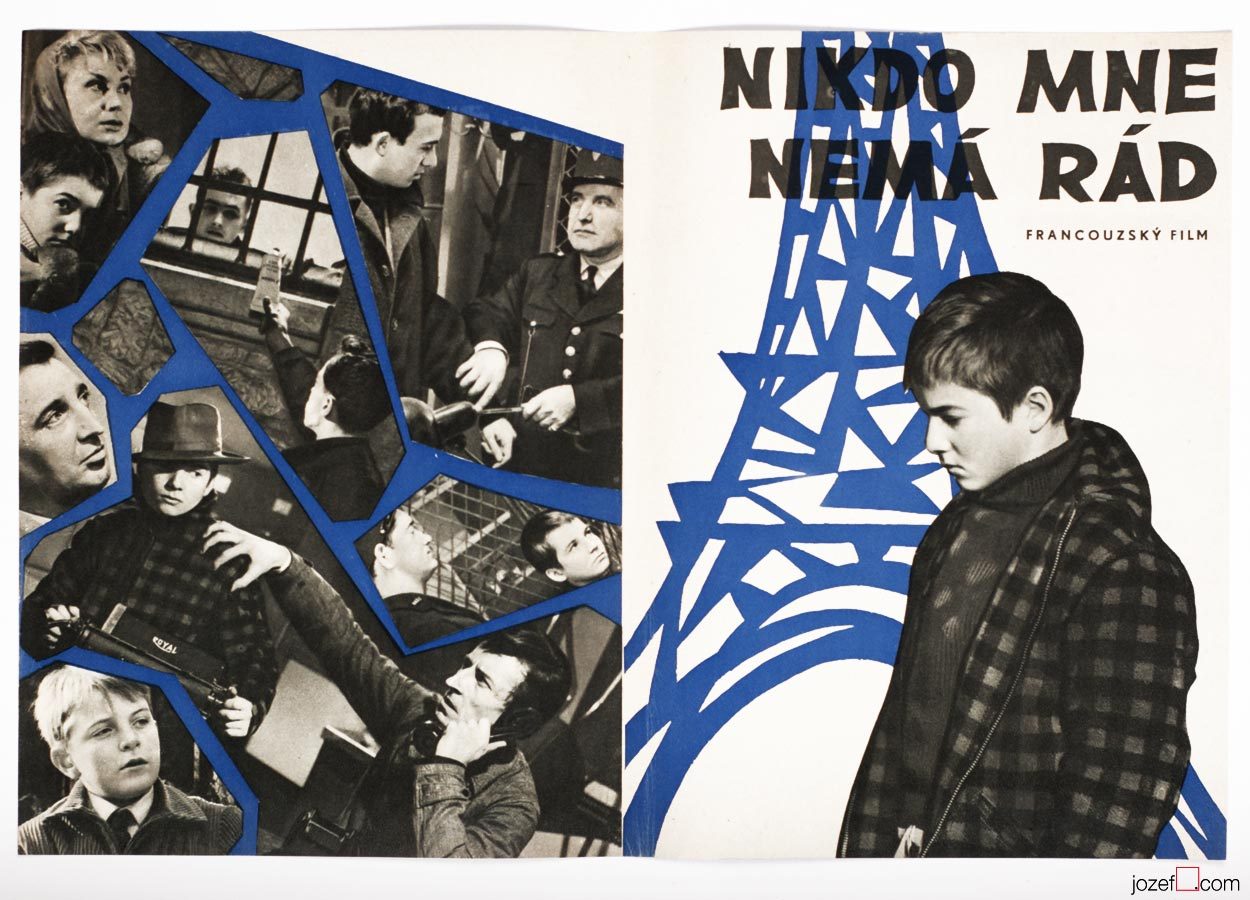
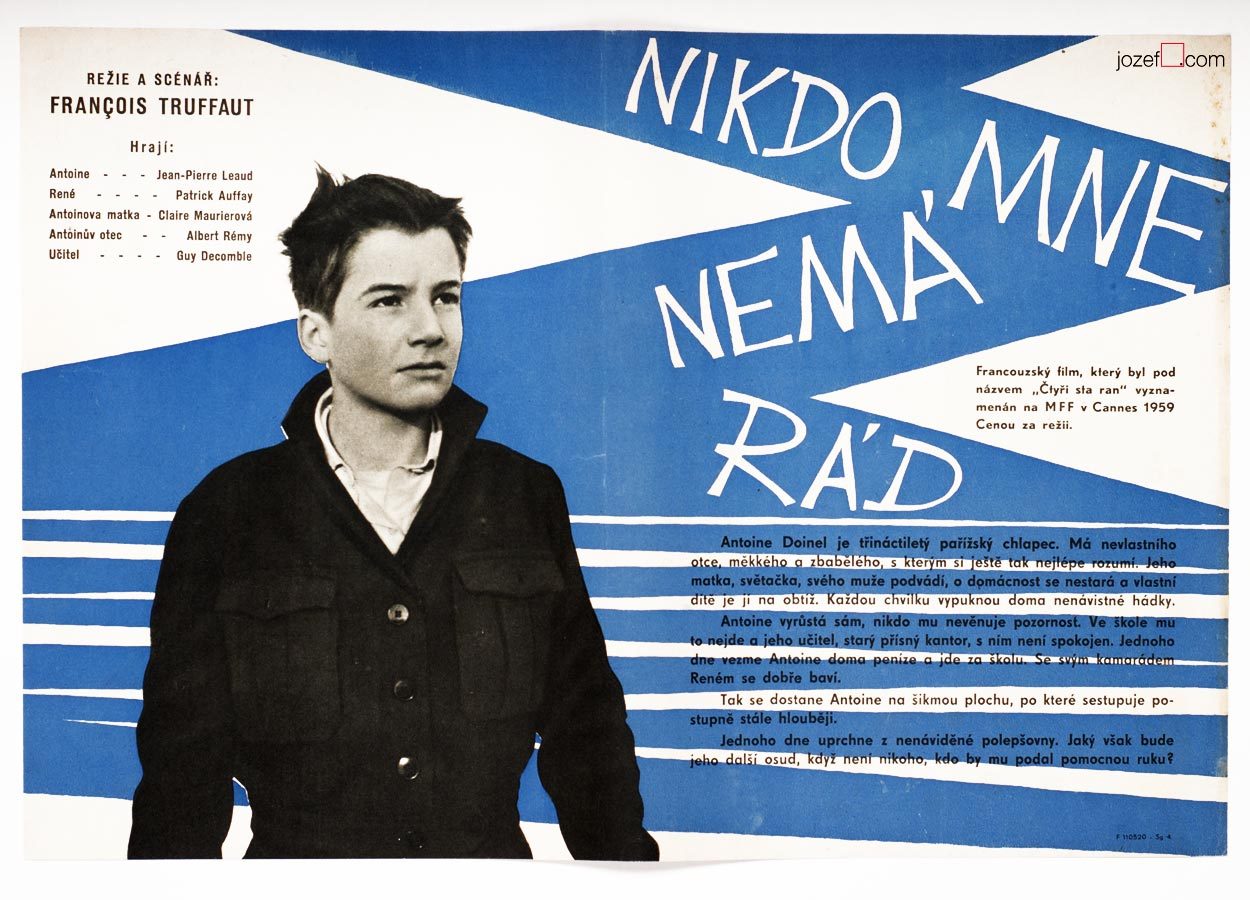
    Film posters came along with catalogue, The 400 Blows
    The 400 Blows / Francois Truffaut – Promotional film catalogue
    The 400 Blows, Francois Truffaut, Catalogue for Film
    The 400 Blows / Francois Truffaut, Catalogue view opposite side.

    With increasing attendance at the international film festivals, film poster was also heading towards new directions. International success of movies created by Miloš Forman, Věra Chytilová, Jiří Menzel and other important directors of Czechoslovak New Waveintroduced Czechoslovak poster design to the foreign audience. Film posters designed in 1960s were created by some of the best poster designers of the era and we will be exploring them in more details in our next post.

    •••

    [^1]: Enough currency was floating in the country. Czechoslovakia was one of the greatest business partners with the death at the time. Military industry was among the most popular and export was doing just fine. / 150 000 Slov – former exile magazine, X/91/27, p.3-5, Morálka musí počkat (Morale must wait), Inge Santnerová.
    [^2]: Vratislav Hlavatý for the Czech Radio Interview / 29.3.2013 (Several of his publications were banned throughout Communism).
    [^3]: Zdeněk Ziegler for the Czech Radio Interview / 15.5.2013.

    Additional research:

    Literature:

    • Flashback / Czech and Slovak Film Posters 1959-1989, ed. Libor Gronský, Marek Perůtka, Michal Soukup,  Olomouc Museum of Art, 2004.

    Online web:

    Note: For shop and blog highlights SUBSCRIBE to our weekly newsletter.

  • Poster Designs / Sixties – Rudolf Altrichter. The Story of Film Posters.

    Film posters in history. Sixties poster designs.

    Poster Designer / Rudolf Altrichter

    Painting / Graphic Art / Typography.

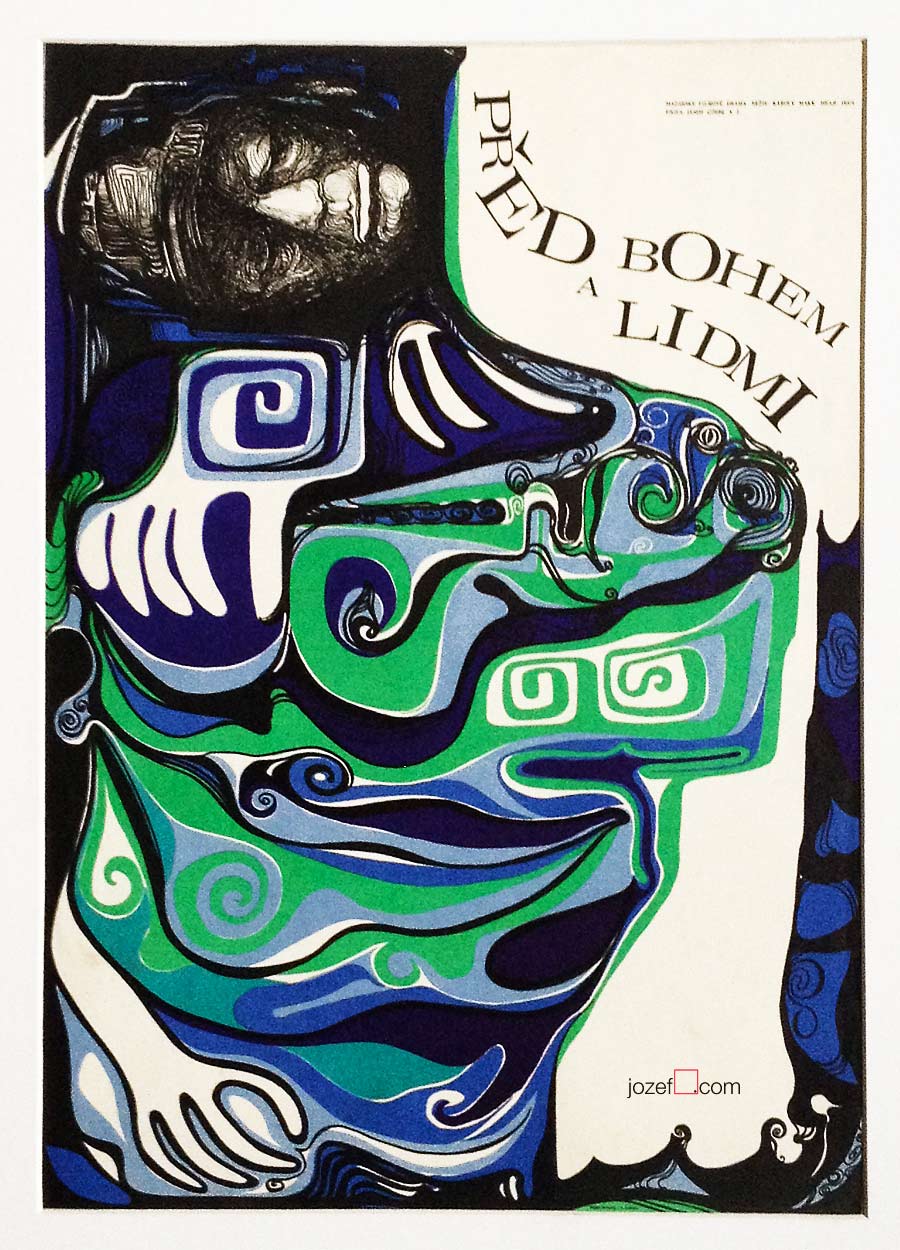
    Before God and Man, poster by Rudolf Altrichter
    Before God and Man movie poster by Rudolf Altrichter, 1968.
    • 10th of June 1916, Vienna
    • 8th of September 1978, Bratislava

    Education:

    • 1938, Business High School, Trenčín
    • University of Economy, Bratislava

    Awards:

    • 1966, Prize for the most beautiful poster of the year.

    Film posters created: 32 (1959-1972)[^1]

    ***

    It is fairly interesting when thinking of Rudolf Altrichter’s designs for film posters, that behind all this visual trickery is hidden self-taught artist. Originally trained as a sales man (worked also for Bata / shoemaker company) he became one of the most influential Slovak graphic artist. In his thirties he became one of the establishing members of newly reopen Slovak Art Society (1946) and year later co-founder of Association of Slovak Graphic Artists (1947).

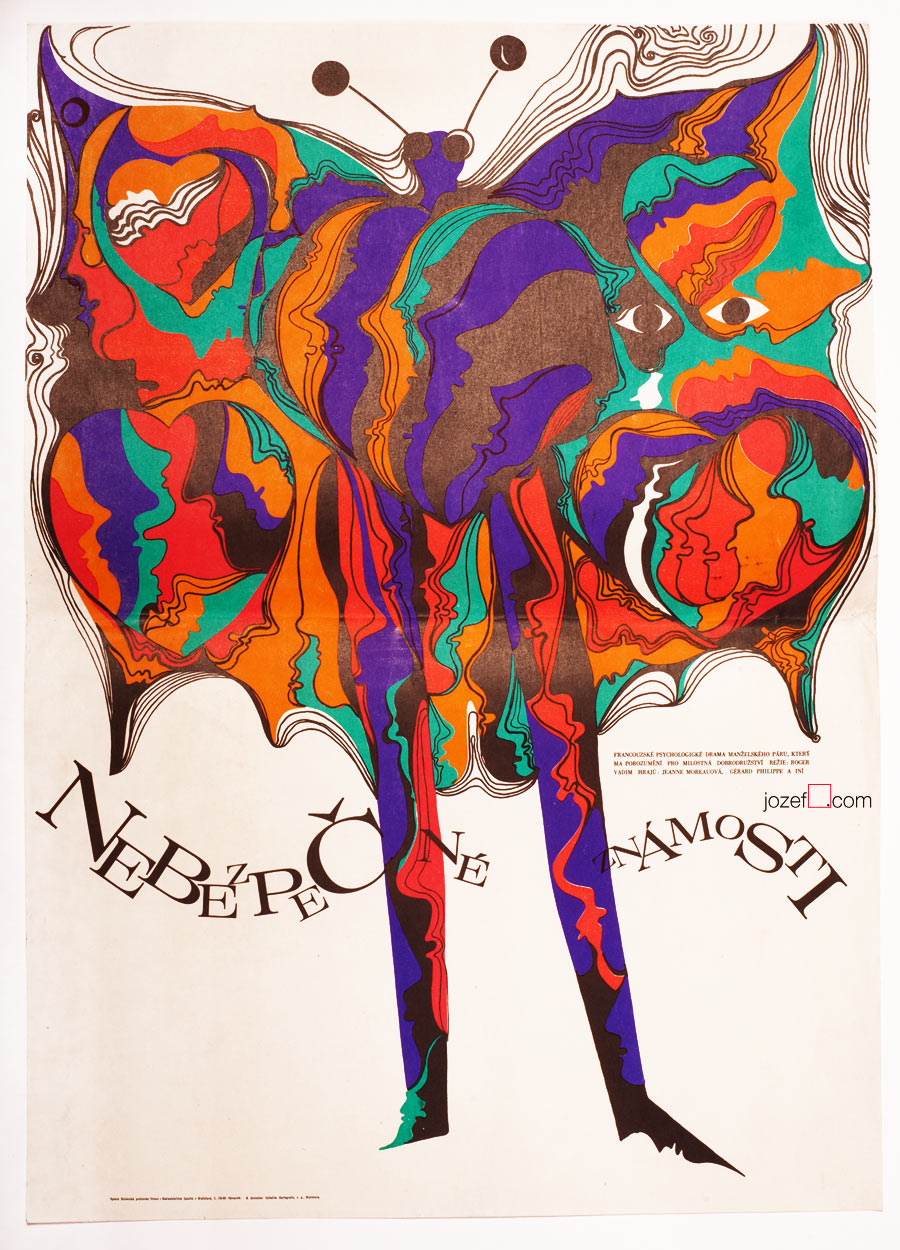
    Rudolf Altrichter’s film posters are full of visual harmony, unusually blended by pure abstraction and the hints of reality. Human element appears to be one of his strongest standing point, no matter if it is design for art exhibition, film or political poster. Visual harmony is also represented by the use of elegant thin lines and curvy almost psychedelic shapes. Absurdity of the war, another of his characteristic motifs, can be also seen on several of his film posters. Film poster designed for French drama Dangerous Love Affairs / Dangerous Liaisons (shown bellow, designed in 1969), belongs to the selection of the most significant acquisitions of the Poster and Graphic Design Collection of Slovak National Gallery.

    ***

    ***

    Note: this showcase is part of our ongoing article Film posters / Made in Czechoslovakia. The story of film posters.

    Available film posters by Rudolf Altrichter or other interesting film posters designed in Sixties.

    ***

    Literature:

    • [^1]: Flashback / Czech and Slovak Film Posters 1959-1989, ed. Libor Gronský, Marek Perůtka, Michal Soukup, Olomouc Museum of Art, 2004. (p.39)

    Resources:

    ***

    For shop and blog highlights, please SUBSCRIBE to our newsletter.
  • Poster Designs / Sixties – Adolf Born. The Story of Film Posters.

    Film posters in history. Sixties poster designs.

    Poster Designer / Adolf Born

    Painting / Stage Design / Illustration / Graphic Art / Caricature / Animation

    Film poster, Adolf Born, 60s poster design
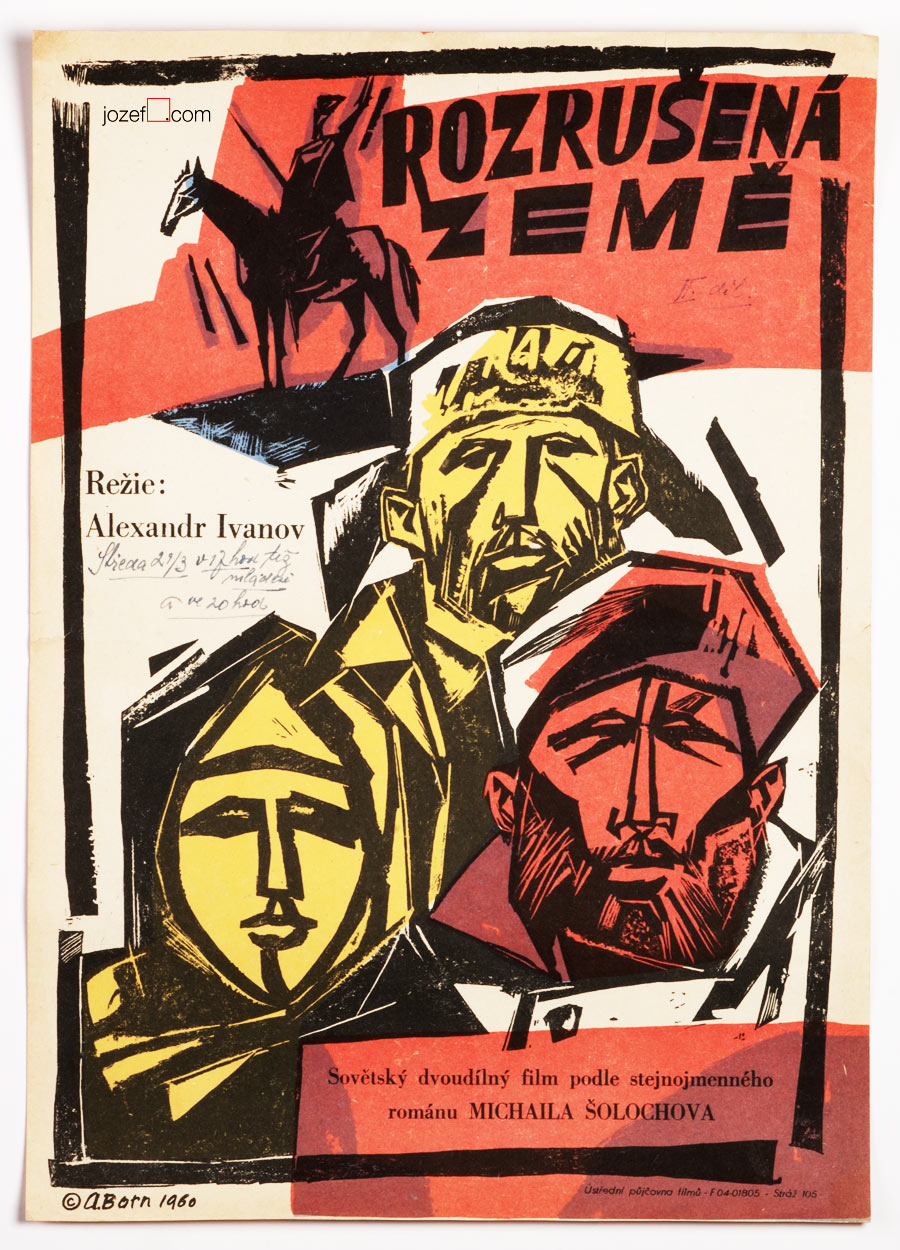
    Virgin Soil Upturned – Adolf Born, 1960.

       ***

    • b. 12th of June 1930, České Velenice, Czech Republic
    • lives and works in Prague, Czech Republic

    Education:

    • 1949−1950, Charles University, Prague (Faculty of Pedagogy / Art?)
    • 1950−1953, Academy of Arts, Architecture and Design in Prague (Pelc Antonín)
    • 1953−1955, Academy of Fine Arts, Prague (Pelc Antonín)

    Awards:

    • many, mostly for his animated films and book illustration (few shown bellow)
    • 1974, caricaturist of the year, Montreal
    • 1979, Golden Apple, Book Illustration Biennials, Bratislava
    • 1985(?), Gold Medal, IBA, Leipzig
    • 1988, Honorary Artist

    Film posters designed: 19 (1959-1989)[^1]

    ***

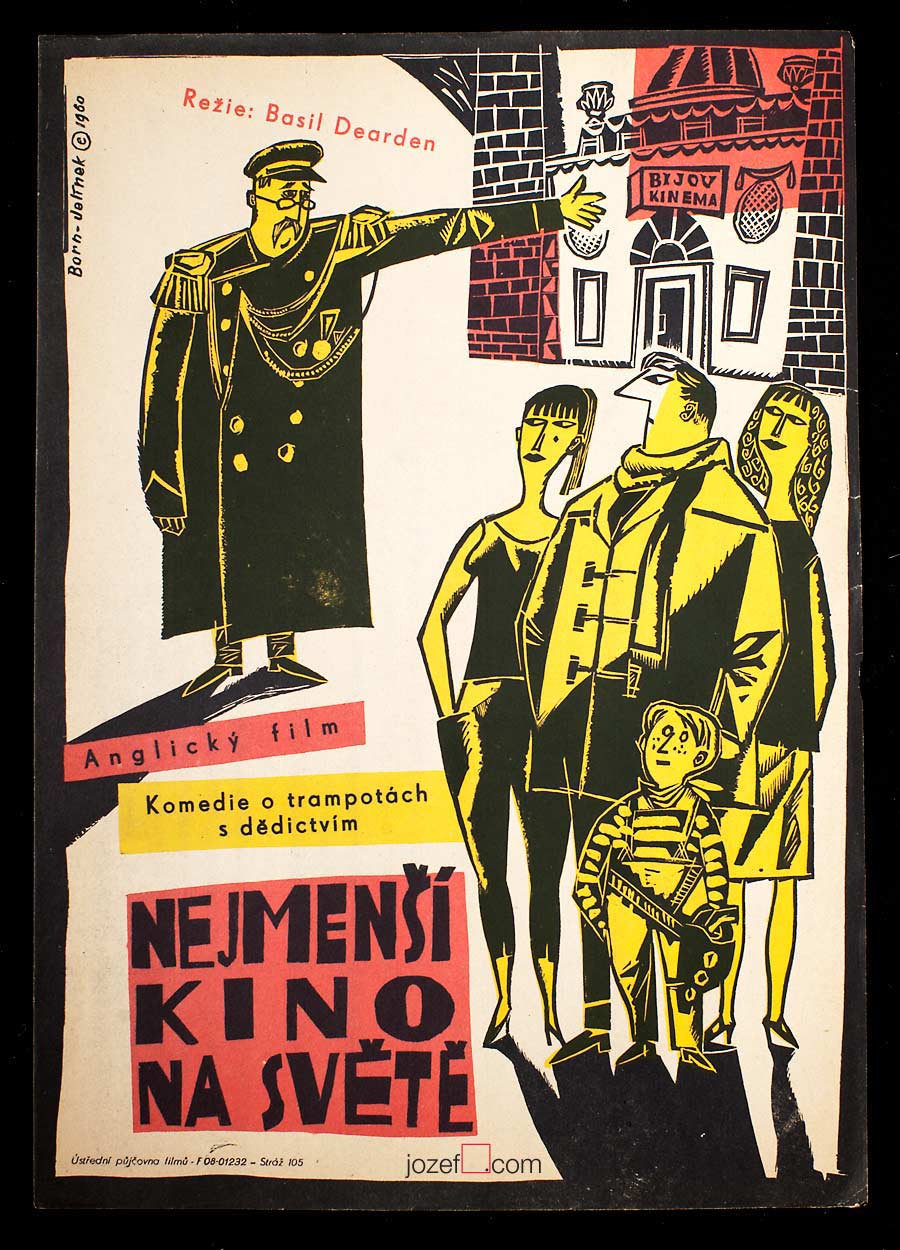
    FIlm poster, Adolf Born 60s poster artThe Smallest Show on Earth – Adolf Born / Oldřich Jelínek, 1960.

    ***

    To meet with the fantastic world of Czech artist Adolf Born in former Czechoslovakia was not as complicated. One only had to get born there and the ticket for his show was lying in front of you. His visual presence was absolutely everywhere. Book illustrations and television programme was provided for the smallest audience and for those older ones there were magazines covered with his caricatures. He has also made the older population interested into watching animated films for the children.

    Adolf Born’s work is well known also to international spectator. His book illustrations (over 400 books) and animated films (by the 1980 he produced 45 of them)[^2] visited many countries and have taken part in many exhibitions. Humorous depiction is very characteristic in his work. Adolf Born is here to make you smile.

    His film poster portfolio extends from early 1960s all the way to mid 1990s, with limited number designed. Adolf Born was preoccupied with other things. Film posters were possibly only other commission he was getting from the art union, where every illustrator/graphic had to be a member. Very few, but all very impressive. If the film poster was not made for the World War II film, it would definitely leave one with the grin on the face.

    ***

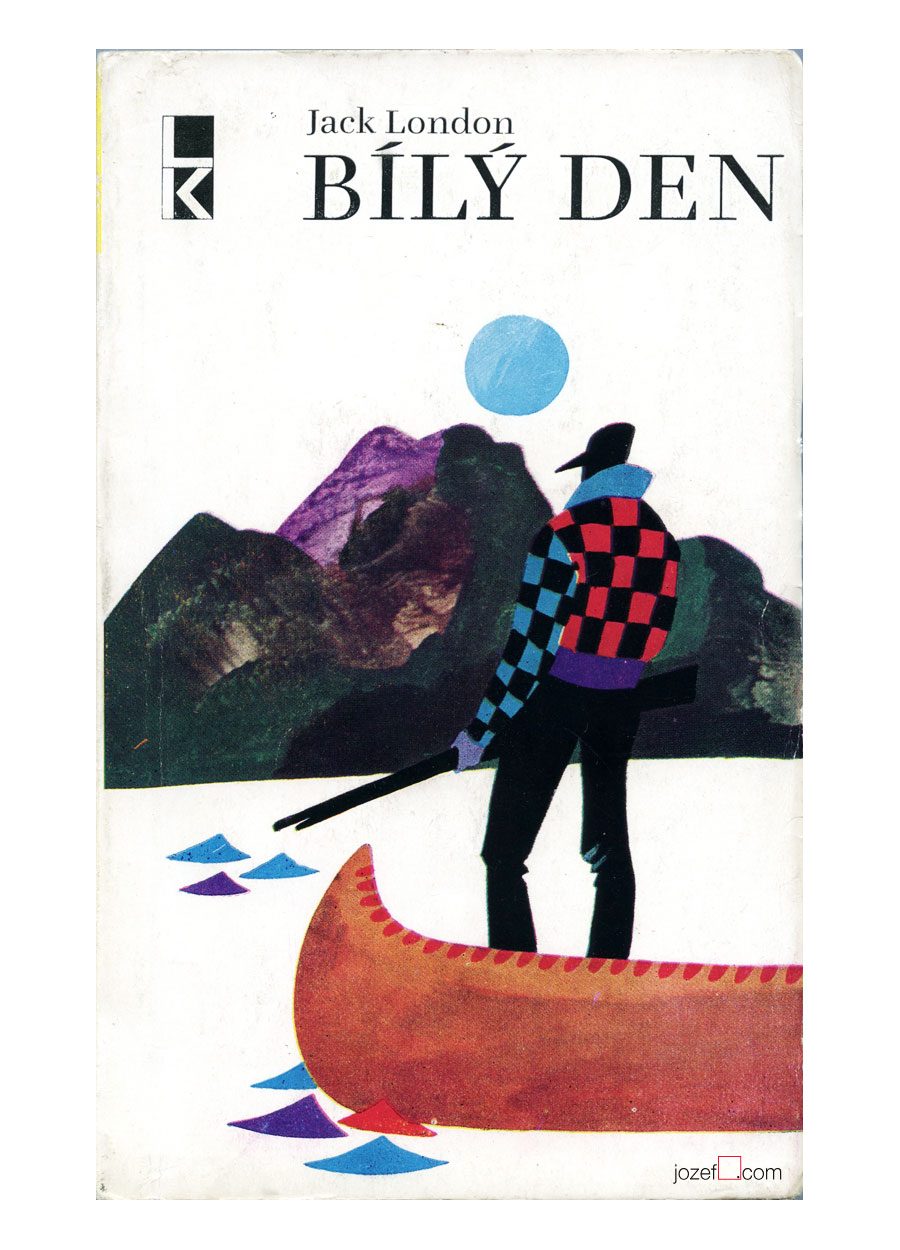
    Burning Daylight, J.London, cover by Adolf Born
    Front cover for the Burning Daylight / Jack London, illustrated by Adolf Born, 1970.

    [^3]

    ***

    Note: this showcase is part of our ongoing article Film posters / Made in Czechoslovakia. The story of film posters.

    Available posters by Adolf Born or other interesting film posters designed in Sixties.

    ***

    Resources:

    Literature:

    • [^1]: Flashback / Czech and Slovak Film Posters 1959-1989, ed. Libor Gronský, Marek Perůtka, Michal Soukup, Olomouc Museum of Art, 2004. (p.45)
    • [^2]: BIB, Bienále Ilustrácií / Biennale of Illustration ’79 ’81, Bratislava; Anna Horváthová, Mladé Letá, 1983 (p.60)
    • [^3]: Burning Daylight / Jack London; Lidová knihovna, 1970

    Online resources:

    • abArt / Adolf Born
    • Český Rozhlas / Czech Radio Broadcast (archive full of interviews with Adolf Born)

    For shop and blog highlights, please SUBSCRIBE to our newsletter.
Leave a Reply

This site uses Akismet to reduce spam. Learn how your comment data is processed.